
History of A Limia
Two millennia on a plain of passage and frontier: castros and Limici, the Roman Via Nova, medieval towers, the Couto Mixto, the fairs of Xinzo and the draining of Antela.
- Pre-Roman people
- The Limici
- Roman road
- Via XVIII or Via Nova, from Braga to Astorga
- Couto Mixto
- Territory with its own privileges until 1868
- Draining of Antela
- Works from 1958
The history of A Limia is that of a high plain in southern Ourense, open around the river Limia and the vanished Lagoa de Antela, which for two millennia was a place of passage and frontier. Through here ran the Roman road linking Braga and Astorga, here towers were raised to watch the border with Portugal, here the Couto Mixto survived into the 19th century and here fairs were held that gave life to Xinzo de Limia. This page summarises that trajectory by period and links to the chapters that tell it in detail. Much of the local information comes from the research of the Limia historian Edelmiro Martínez Cerredelo, author of a Historia de Xinzo de Limia (2012) and of the blog Historia de Xinzo, cited in each case [1].
Timeline of A Limia
Prehistory and castro culture
The first human traces in the comarca are tied to water and to the hills surrounding the plain. There are menhirs such as the Pedra Alta de Antela, Bronze Age weapon hoards such as that of Roufeiro (Sarreaus), made known in 1911, and a string of castros, from the great enclosure of Bóveda (Vilar de Barrio) to the Outeiro de Baltar, where tin was smelted [2][8]. The best-known jewel of this period is the gold earring of Vilar de Santos, found in 1924 [9]. All this is told in Prehistory and castros.
The Limici and Rome
Classical authors called the peoples of the valley Limici, and Strabo and Pomponius Mela linked the river Limia with the Lethe, the river of forgetfulness, a legend that today lives again in the Festival of Forgetting [1]. Rome organised the territory as the Civitas Limicorum, with a centre called Forum Limicorum whose location is disputed: A Cidá of Nocelo da Pena (Sarreaus) or the town of Xinzo itself [2]. The Via Nova or Via XVIII, built in the Flavian period, crossed the comarca and left milestones in Sandiás and elsewhere [3]. See The Limici and Romanisation.
Middle Ages: towers on the border
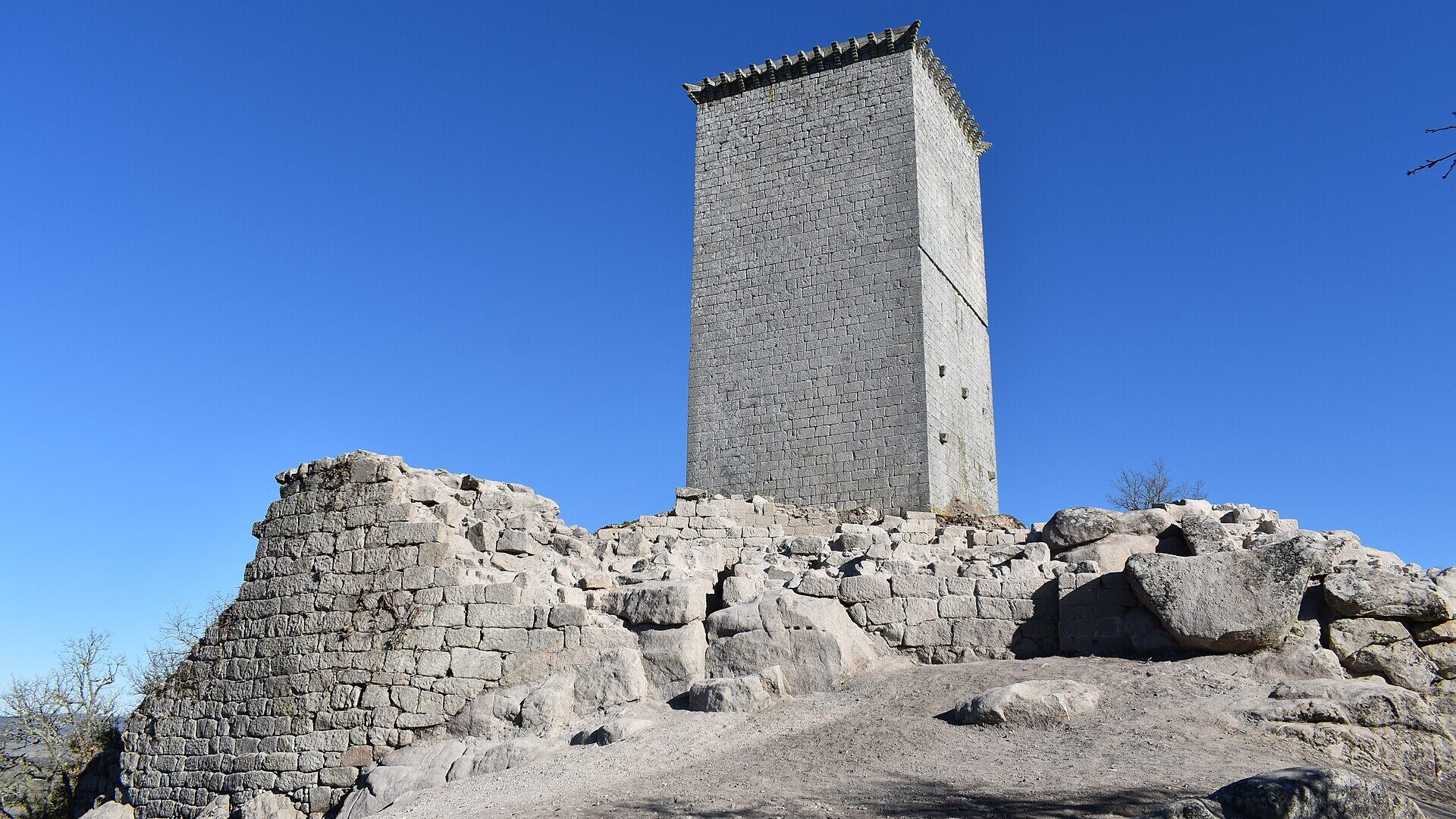
With the formation of the kingdom of Portugal, A Limia became disputed land. Afonso Henriques entered the comarca in 1130 and in 1169 had to return it to Ferdinand II of León [1]. To defend the frontier towers and castles were raised: the Torre da Pena da Portela (Xinzo), that of the Castro (Sandiás), that of A Forxa (Porqueira) or the Portuguese castle of the Picoña (Calvos de Randín) [4]. The Sandiás tower was torn down by the irmandiños in 1467 [7]. See Middle Ages and towers.
The Couto Mixto
Between Galicia and Portugal, in the villages of Santiago de Rubiás, Rubiás (Calvos de Randín) and Meaus (Baltar), there existed for centuries a territory with its own judge, exemption from taxes and military service and freedom to choose nationality. The Treaty of Lisbon of 1864 divided the border and the Couto remained in Spain, without its privileges, from 1868 [5]. See History of the Couto Mixto.
Early modern period: convents, lords and fairs
The 16th to 18th centuries are those of the Franciscan convent of Bon Xesús de Trandeiras, begun in 1520, of the long lawsuits between the houses of Monterrei and Lemos over the Torre da Pena (settled in 1610) and of the Xinzo fairs, which already in 1576 had covered stalls in today’s Praza Maior [1]. In 1809 the people of A Limia confronted French troops at the Xinzo bridge [1]. See The early modern period in A Limia.
From the 19th to the 20th century
The 19th century brought the first constitutional concellos and a series of failed attempts to drain the Lagoa de Antela, from that of 1827 to that of 1874, all stopped by local opposition [7]. The 20th century opened with intense cultural life in Xinzo: between 1911 and 1925 six local newspapers were published, the first being El Eco Antelano [1]. Electric light reached the town in 1911 and Antela F.C. was born in 1919 [1]. Emigration to America marked whole generations, and the Francoist draining of Antela, whose works began in 1958, changed the comarca’s landscape and economy for ever [6]. See The 20th century in A Limia.
Civil War, repression and guerrilla (1936–1953)
The coup d’état of July 1936 opened a period of repression in the comarca, with killings in ditches, improvised prisons and flights to Portugal. Later, between 1946 and 1950, the II Agrupación of the Galician Guerrilla Army operated in the surrounding mountains and on the plain [1]. These events, documented by Martínez Cerredelo from civil registers, military cases and oral testimonies, are recounted with respect in Historical memory of A Limia.
Curiosities
The history of A Limia is full of small episodes that say a lot: the Girls’ Fair of 14 May, the Xinzo linen awarded in Paris in 1878 or a plague that took 118 neighbours of Escornabois in 1598–1599. They are gathered in Historical curiosities of A Limia.
The great themes of Limia history
The frontier. The border with Portugal explains the medieval towers, the Couto Mixto, smuggling and also the flights of 1936. Already in the 15th century the council of Ourense banned buying stolen livestock from Portugal, a sign of a frontier more of contact than separation [1].
Water. The Lagoa de Antela was for centuries a source of fishing, pasture and legends, and also the object of draining projects. Its disappearance in the second half of the 20th century is one of the greatest environmental changes in contemporary Galicia [6]. More information in Lagoa de Antela.
The road. From the Roman Via Nova to modern roads, the comarca was always a passage between Ourense, Verín and Portugal. That is why the Xinzo fairs were so important: already in 1131 Alfonso VII exempted from toll the people of Ourense who went to sell in A Limia [1].
The people. The comarca produced chroniclers such as Hydatius, Enlightenment figures such as Pedro González de Ulloa and 20th-century writers linked to Xinzo. Their profiles are in Notable people of A Limia, and the organisations that care for this memory today in Associations of A Limia.
More history pages
- Archpriestship of A Limia: parishes and dedications
- The counts of Gimonde in A Limia: rents, leases and a chapel in Santa Mariña.
- The Villacastín-Vigo road and Xinzo as seat of the judicial district
- The Xinzo fairs through time: the 14th fair from 1131 and its decline.
- The Regional Country Fairs of Xinzo (1964-1966)
- Lethes, cultural notebooks of the Limia: index of issues 1 to 5.
- The Faramontaos feldspar mine (2013): the neighbours’ protest and the Xunta’s refusal.
- The Honorary Judges of the Couto Mixto: the July ritual and the honourees from 2002 to 2026.
- Xinzo de Limia and Ponte de Lima: the twinning and the Embrace of the Limia River.
FAQ
Where was the Forum Limicorum?
There is no agreement. Since the 18th century it has been placed at the Cidá of Monte do Viso (Nocelo da Pena, Sarreaus), from where tablets of the Civitas Limicorum came; the excavations in Xinzo since 2002 strengthen the town’s candidacy. The archaeologist Manuel García Valdeiras considers that A Cidá still offers the best possibilities [2].
What was the Couto Mixto?
A border territory made up of Santiago de Rubiás, Rubiás and Meaus, with its own government and fiscal and military privileges, not fully dependent on Spain or Portugal until the Treaty of Lisbon (1864), applied in 1868 [5].
When was the Lagoa de Antela drained?
The law declaring the draining of national interest dates from 1956 and works began in September 1958; the Decree of 1962 set the definitive delimitation [6].
Which medieval towers survive in A Limia?
Still standing, in varying condition, are the Torre da Pena (Xinzo de Limia), that of the Castro (Sandiás) and that of A Forxa (Porqueira), which was the seat of the Porqueira council from 1837 [4].
Who wrote the history of Xinzo?
The reference work is the Historia de Xinzo de Limia (2012) by Edelmiro Martínez Cerredelo, who also published studies on the local press and on A Limia between 1931 and 1953 [1].
Sources
- Martínez Cerredelo, Edelmiro. Historia de Xinzo (blog), entradas sobre Afonso Henriques e a Limia, Torre da Pena, Trandeiras, feiras de Xinzo, batalla da ponte de 1809, prensa local (27-05-2022), electricidade (29-04-2020), Antela F.C. (05-11-2018) e guerrilla. https://historiadexinzo.wordpress.com/ — en especial https://historiadexinzo.wordpress.com/2018/11/17/as-feiras-de-xinzo-a-traves-do-tempo/ e https://historiadexinzo.wordpress.com/2022/05/27/a-prensa-escrita-en-xinzo-de-limia-seculo-xx-1911-1925/
- García Valdeiras, Manuel. «O Forum Limicorum». Minius IX, pp. 39–50. https://revistas.uvigo.es/index.php/mns/article/download/2984/2773/5946
- Xusto Rodríguez, Manuel. «Peza do mes: A Vía Nova». Museo Arqueolóxico Provincial de Ourense, xaneiro de 2009. https://musarqourense.xunta.gal/sites/default/files/doc/peza_mes/2009/1/pm_2009_01esp.pdf
- Fronteira Esquecida. Fichas «Watchtower of Pena», «Tower of Sandiás» e «Piconha castle». https://fronteiraesquecida.eu/en/fichas/watchtower-pena/ · https://fronteiraesquecida.eu/en/fichas/tower-of-sandias-castro-tower/ · https://fronteiraesquecida.eu/en/fichas/piconha-castle/ ; e «Torre da Forxa», Galipedia (CC BY-SA 4.0). https://gl.wikipedia.org/wiki/Torre_da_Forxa
- «Couto Mixto». Galipedia (CC BY-SA 4.0). https://gl.wikipedia.org/wiki/Couto_Mixto
- Pérez Pena, Marcos. «Las obras que hicieron desaparecer la laguna de Antela». eldiario.es, 27-04-2018. https://www.eldiario.es/galicia/obras-hicieron-desaparecer-laguna-antela_1_2150862.html
- Concello de Sandiás. «Coñece Sandiás». https://www.sandias.es/conece-sandias/
- Figueiredo, E. et al. «Tin and bronze production at the Outeiro de Baltar hillfort». Minerals 12(6):758, 2022. https://novaresearch.unl.pt/en/publications/tin-and-bronze-production-at-the-outeiro-de-baltar-hillfort-nw-ib/
- Museo Arqueolóxico Provincial de Ourense. «Peza do mes: A arracada de Vilar de Santos», maio de 2004. https://musarqourense.xunta.gal/sites/default/files/doc/peza_mes/2004/5/pm_2004_05_gal96.pdf
In this topic
 History of A LimiaPrehistory and castros of A LimiaFrom the Pedra Alta de Antela to the castro of Bóveda: megaliths, the Roufeiro weapons, the Outeiro de Baltar and the gold earring of Vilar…
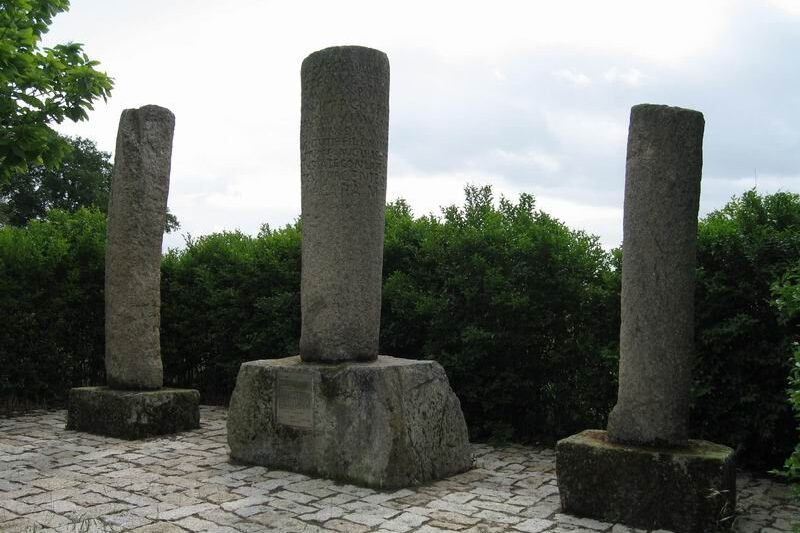 History of A LimiaThe Limici in Roman inscriptions: Celer’s gladiatorial tessera and Corellius LimicusTwo epigraphic pieces outside A Limia that mention a "Limicus": the bronze gladiatorial tessera from Niebla (Huelva), of the 1st century,…
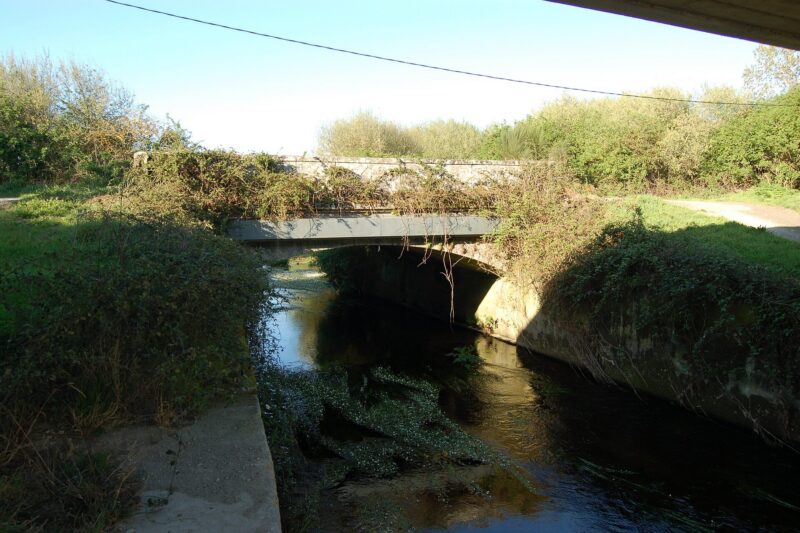 History of A LimiaThe battle of the Xinzo bridge (23 February 1809)On 23 February 1809 farmers, abbots and friars of A Limia, poorly armed, tried to stop Soult's French vanguard at the Xinzo bridge; they…
History of A LimiaThe Limici and Romanisation: Civitas, Forum Limicorum and Via NovaWhat is known of the Limici and Roman Limia: the Civitas Limicorum, the debate over where the Forum Limicorum stood (A Cidá of Nocelo da…
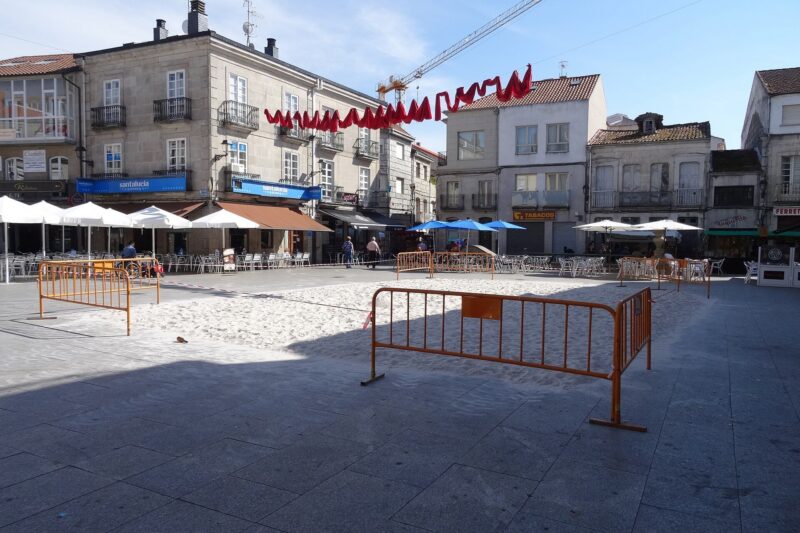 History of A LimiaThe Praza Maior, the Ladeira and the Toural: history of Xinzo’s central placesHistory of the Praza Maior (fairs since the 16th century, the 1907 Espolón, the fountain), the Ladeira and the Toural (the lagoon, the…
History of A LimiaLight, chocolate, fizzy drinks and roads: the industrial and service Xinzo of the 20th centuryHow electricity (1911), the printing press, chocolate and soda factories, the Rubio Cold-Storage Slaughterhouse and buses to Ourense and…
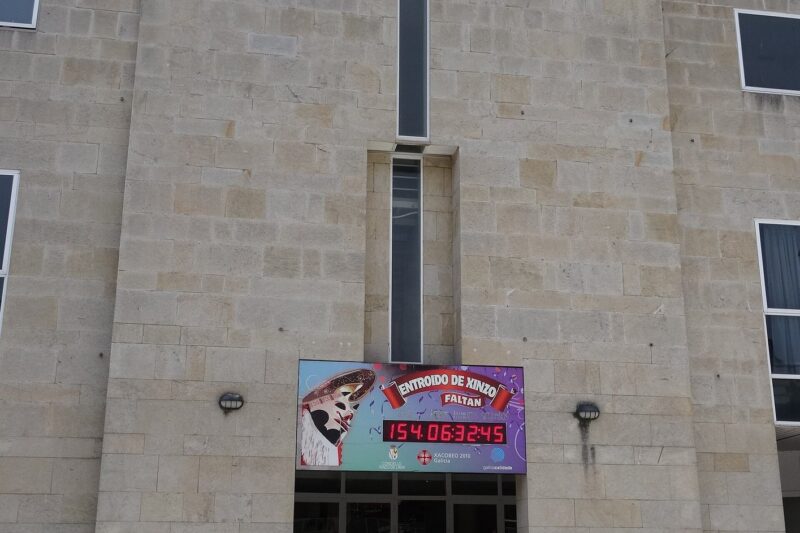 History of A LimiaCinemas, café, radio, school and library: Xinzo’s cultural life from 1948 to the 1970sThe cinemas Los Molinos (1948) and Antelano (1954), the Café Ideal and the Ideal 6 disco, the 1950 radio, the Colegio Santa Marina, the…
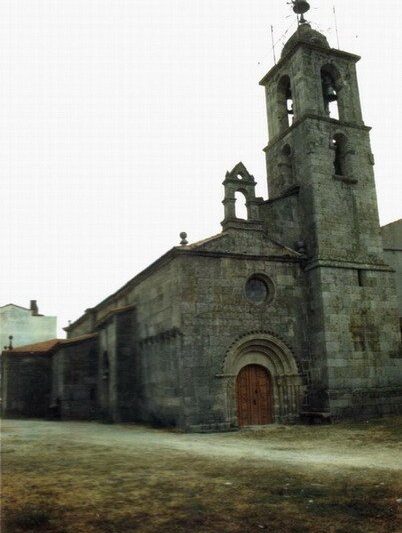 History of A LimiaThe churches of Xinzo: the old church, the chapels, the new church (1908-1965) and religious lifeHistory of Xinzo's churches: the ruin of Santa Mariña (1859), the chapels of 1831, the new church of 1908-1965, Holy Week 1954, the old…
History of A LimiaMemories of the Xinzo of the past: children, taverns, the Riscas, doors and popular figuresMemories of everyday life in postwar Xinzo: children's games, Benito's tavern, Marucho's bar, the Riscas, doors and knockers, old stamps…
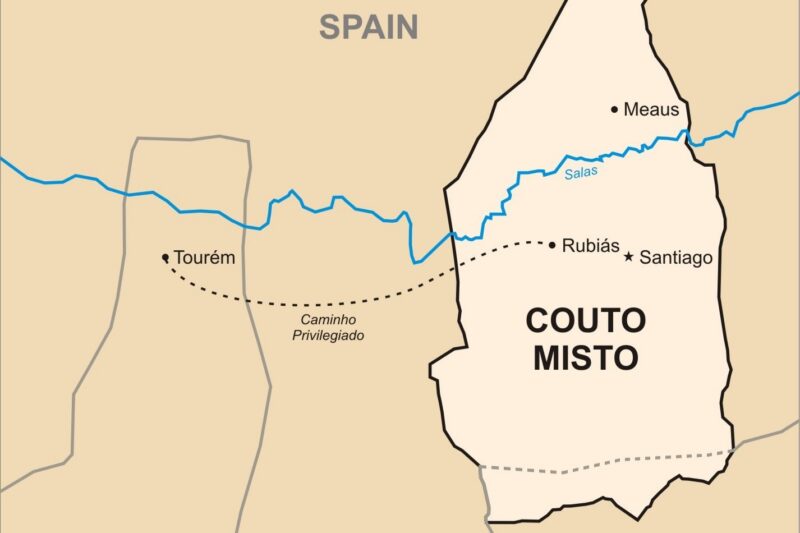 History of A LimiaThe Couto Mixto in the sources: from the documents of 1258 and 1540 to historiographyWhat the sources say about the Couto Mixto: the Inquirições of 1258, the conflicts of 1517-1540 with Montalegre and A Piconha, the…
History of A LimiaThe land of Limia in the early Middle Ages: tenentes, concilia and the border with Búbal (10th–12th centuries)What the "land of Limia" was like in the 10th–12th centuries: a district ruled by tenentes and judges, with councils at Congostro, Molgas…
History of A LimiaXinzo in the 20th century in portraits: merchants, photographers, dentists and musiciansPeople and businesses that made Xinzo in the 20th century: Antonio Bobillo's Gran Bazar Melilla, Modesto Montero, the photographers Dacal…
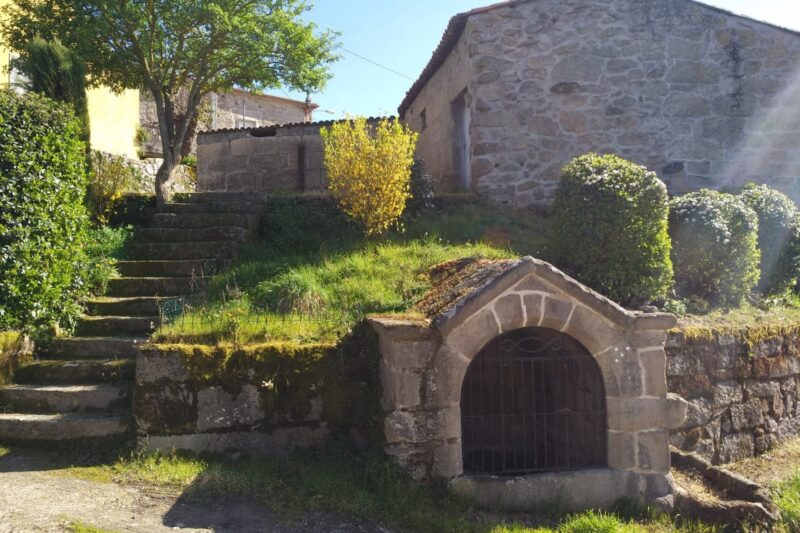 History of A LimiaEthnography of A Limia: canastros, houses, limewash, finger guards, stonemasons, blind singers’ verses and the GerinaldoEthnographic studies by Pepe Calleja on A Limia: the canastros of Fontemoura and Faramiñás, the houses of Xinzo, the limewash of Solbeira…
History of A LimiaRoman Xinzo: what the gas-network test pits revealed (2014-2015)Results of the 2014-2015 archaeological intervention in Xinzo's old town: 50 test pits, Roman structures at San Roque, Santa Mariña and…
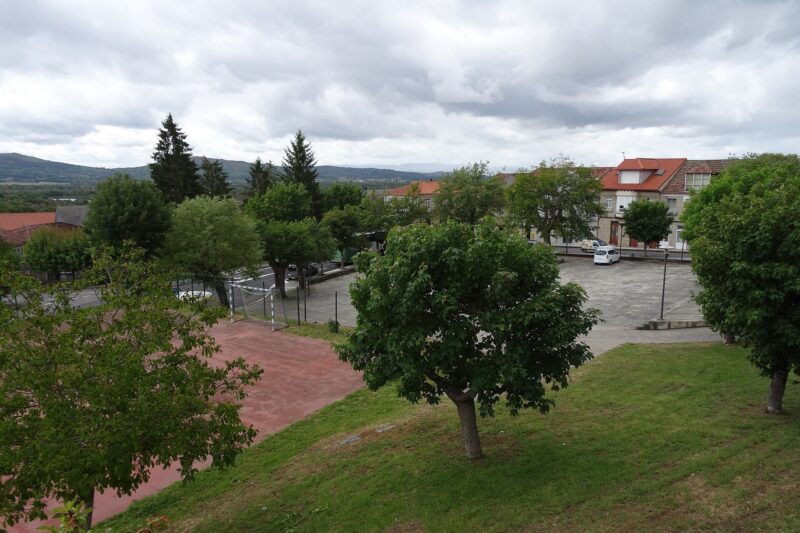 History of A LimiaOrigins of Limia place names: Escornabois, Faramontaos, O Vieiro, Lobás, Castelaus and CortegadaOrigin of A Limia's place names according to the Toponymy Commission: the legend of the oxen of Escornabois and its etymology of "stone",…
History of A LimiaThe extinction of the Couto Mixto: the 1842 file and the negotiations of the 1864 TreatyHow the end of the Couto Mixto was decided according to Jacobo García Álvarez: the 1842-1845 file, tobacco, the Fontán and Castro maps, the…
History of A LimiaThe battle of Aguioncha (c. 966): the first Galician civil warAround the year 966, at the foot of Mount Aguioncha, in Feás (Calvos de Randín), Counts Rodrigo Velázquez and Gonzalo Menéndez clashed; the…
History of A LimiaThe Middle Ages in A Limia: frontier, towers and castlesMedieval A Limia, a border land between Galicia, León and Portugal: Ouvigo and Odoino's will, Afonso Henriques in 1130, the towers of A…
History of A LimiaThe town of Xinzo: street names, historic buildings and the 1856 planHow Xinzo de Limia changed: the names of streets and squares, the fish square, the Ferrín house, the house of Dr Leopoldo Álvarez, the…
History of A LimiaRoman Xinzo: the seated statues and the ivory pieceThe archaeology of Xinzo de Limia: the two seated statues from the Cortiñela estate, the Roman remains beneath Santa Mariña and the…
History of A LimiaThe Liñares bridge and the Feira Nova: a crossroads of A LimiaThe Liñares bridge, over the Limia river, a crossing of the Via Nova and the Via Límica, where the Feira Nova was held on the 22nd: its…
History of A LimiaThe counts of Gimonde in A Limia: rents, leases and a chapel in Santa MariñaThe counts of Gimonde, a Compostela family who inherited the house of Xinzo, collected rye rents in 11 parishes of A Limia; the rent book,…
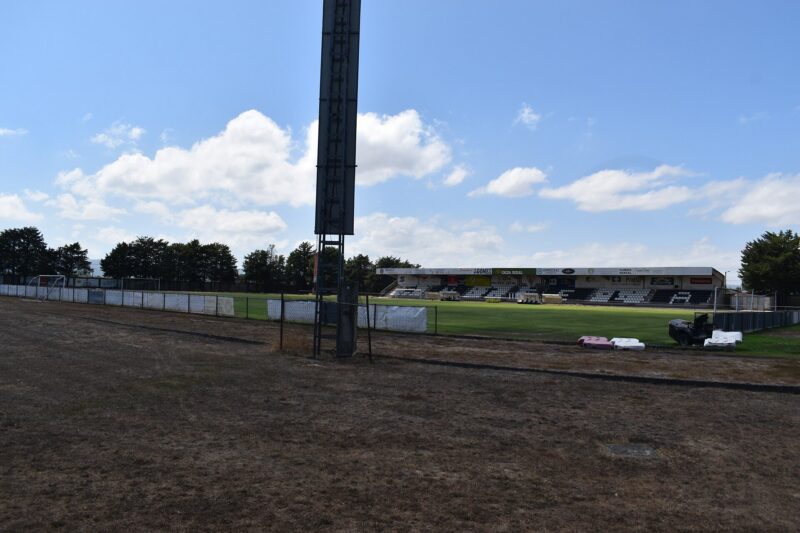 History of A LimiaAntela Football Club (1919): the oldest club in OurenseAntela Football Club, founded in Xinzo de Limia in June 1919, is the oldest club in the province of Ourense: the statutes, the Toural…
History of A LimiaLethes, cultural notebooks of the Limia: index of issues 1 to 5Annotated index of the first five issues of the magazine Lethes, Cadernos culturais do Limia, with articles on the river Lethes, the…
History of A LimiaArchpriestship of A Limia: parishes and dedicationsThe Archpriestship of A Limia in the diocese of Ourense: 82 villages, 33 chapels and a list of parishes with their dedication, from Santa…
History of A LimiaHistory of the Couto Mixto: the republic between two kingdoms (until 1868)The Couto Mixto was a territory between Galicia and Portugal, made up of Santiago, Rubiás and Meaus, with its own judge, tax exemption and…
History of A LimiaThe Carlist wars in A Limia (1833-1876)How A Limia experienced the three Carlist wars: Mateo Guillade's band and the sacking of Xinzo in September 1837, the judge Ramón Martelo,…
History of A LimiaThe Xinzo fairs through time: from the 14th of each month to today’s feirónThe Xinzo de Limia fair of the 14th, documented in 1131, 1576 and 1600, its rent in the 18th century, the second fair of the 27th, life on…
History of A LimiaPortuguese monarchists exiled in A Limia (1911-1912)After the Portuguese Republic of 1910, exiled monarchists prepared in A Limia the Paiva Couceiro incursions of 1911 and 1912; there was…
History of A LimiaXinzo in 1905 according to Fialho de AlmeidaThe stagecoach journey from Allariz to Xinzo and Verín in June 1905 told by the Portuguese writer Fialho de Almeida in "Galiza, 1905": the…
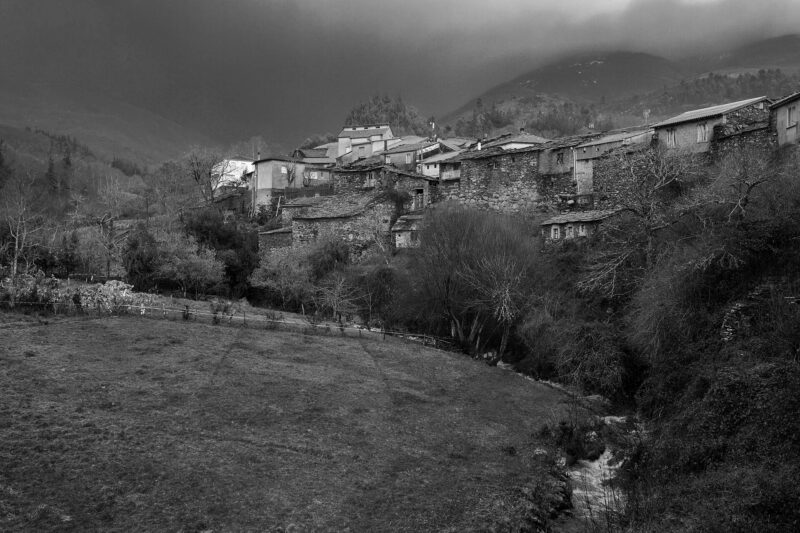 History of A LimiaEmigration of the Limia people: from the 1950s diaspora to personal itinerariesHow the Limia people emigrated: destinations and phases (America from 1920, Venezuela, Brazil, the Basque Country and Catalonia in the…
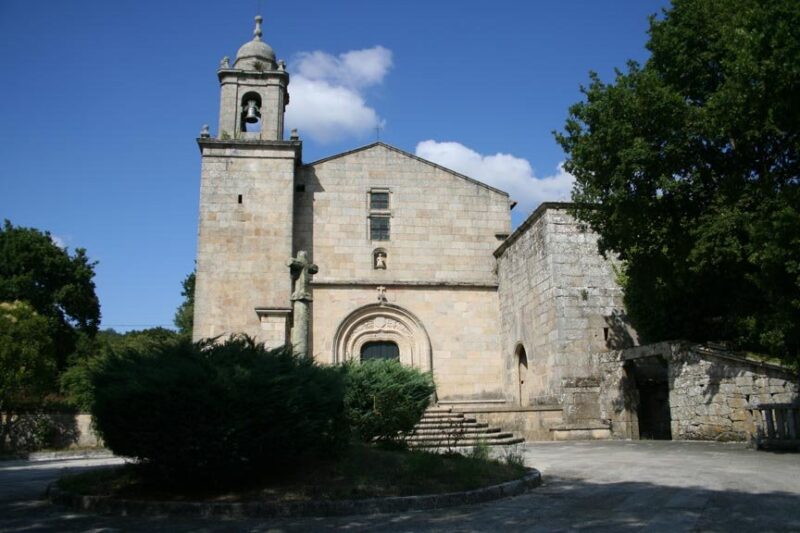 History of A LimiaThe early modern period in A Limia: convents, lordships, fairs and warsThe 16th to 18th centuries and the French invasion in A Limia: the Bon Xesús convent of Trandeiras, the lordships of Monterrei and Lemos,…
History of A LimiaThe Regional Country Fairs of Xinzo (1964-1966)The three Regional Country Fairs held in Xinzo in 1964, 1965 and 1966, at the Toural, to modernise agriculture and livestock farming in A…
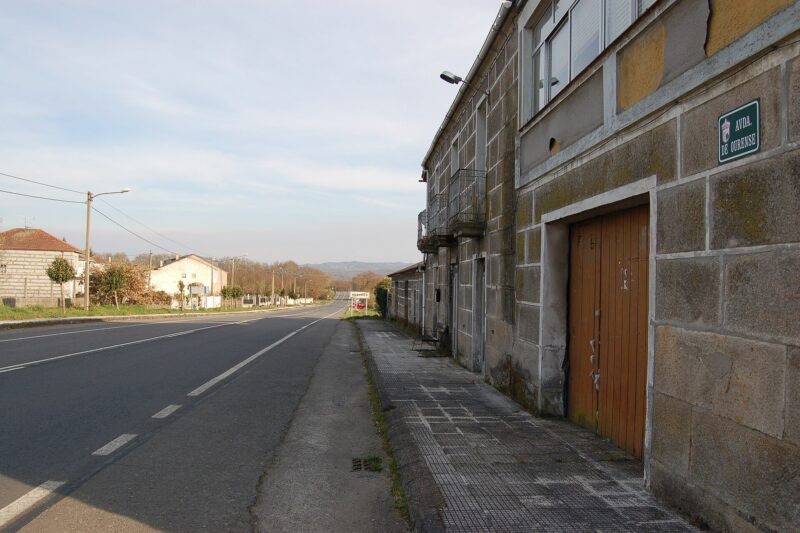 History of A LimiaThe Villacastín-Vigo road and Xinzo as seat of the judicial districtXinzo de Limia on the map of communications and justice: the Villacastín-Vigo road (1860-1863), today the N-525, which crosses the town,…
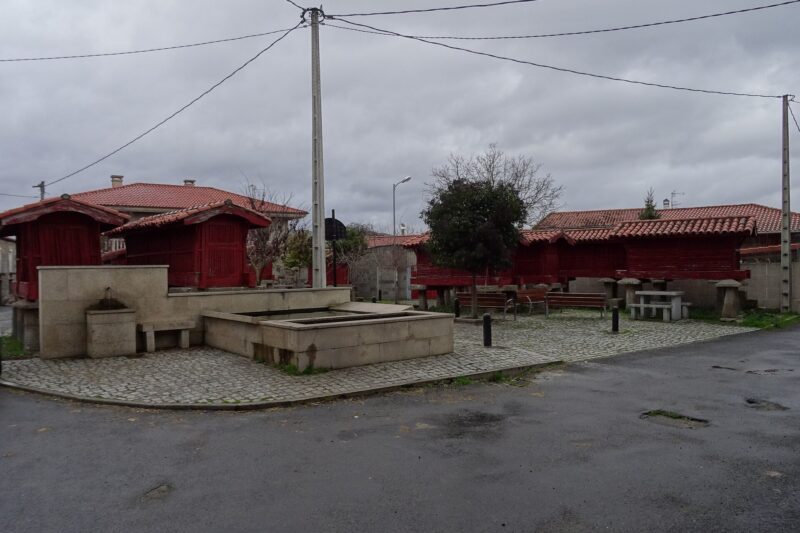 History of A LimiaTullas, chests and palleiras of Xinzo: where grain and straw were keptHow rye and straw were stored in A Limia: rye as bread, the house tullas of Baronzás and Xinzo, barrels and chests, the palleiras of the…
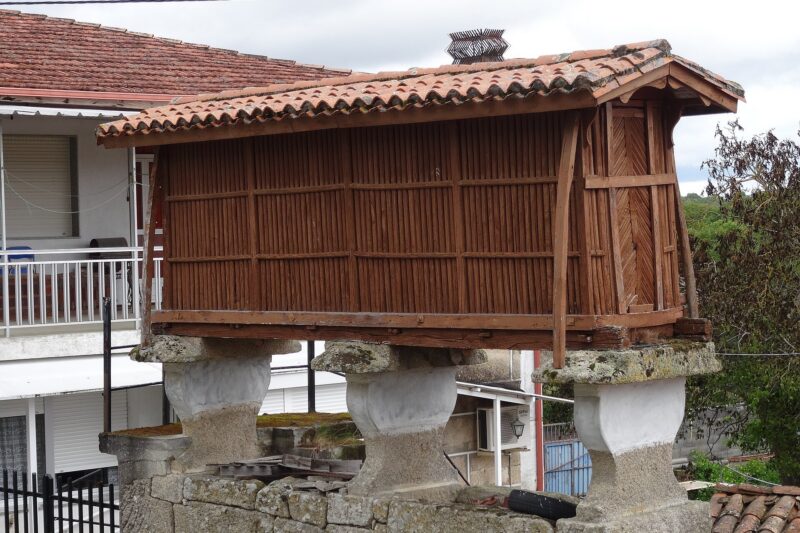 History of A LimiaMaize in A Limia and the canastros: from the string on the balcony to the esfolla and the queen cobWhy there are canastros in Porqueira, Sarreaus, Rairiz and Vilar de Barrio and not in the rest of A Limia: the Terra do Millo, maize strung…
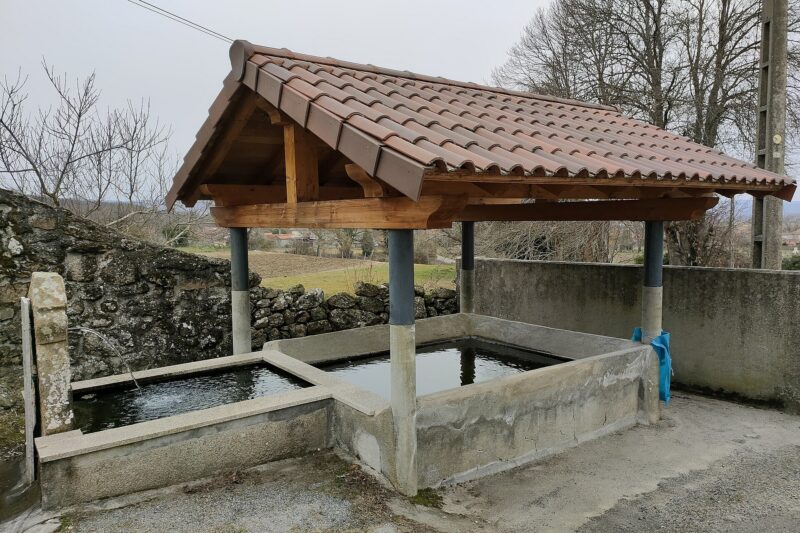 History of A LimiaWater in the villages of A Limia: wells and cambóns of As Pegas and the Pexeiros irrigation sharesHow Limia villages were supplied and irrigated without running water: the wells of As Pegas (Sandiás), the pulley and cambón for drawing…
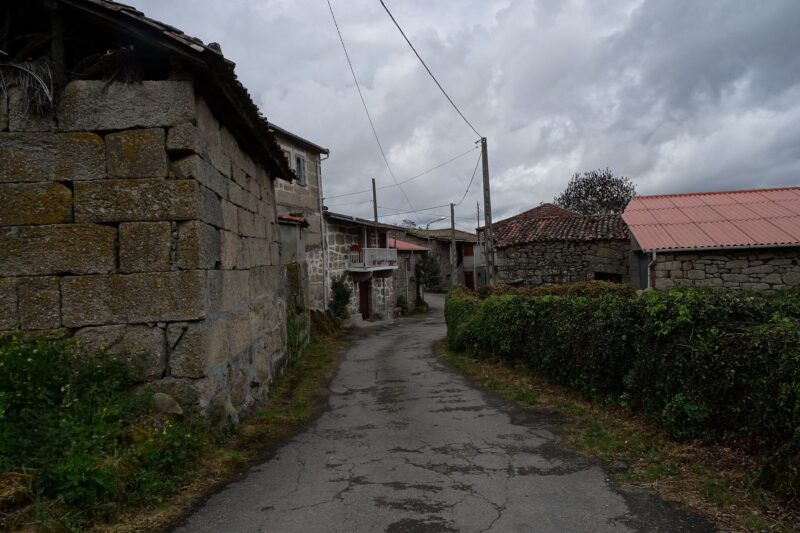 History of A LimiaStable doors: latches and cancelóns of A Forxa and As PegasThe fastening systems of livestock stable doors in A Forxa (Porqueira), grouped by bolt and handle, and the cancelóns of As Pegas…
History of A LimiaThe Inquisition and the Santana House of SandiásHow the Inquisition came to Galicia (Santiago tribunal, 1574) and how the Santana lineage of Sandiás, with branches in Potosí and A Limia,…
History of A LimiaThe 20th century in A Limia: light, press, emigration, draining and warGuide to the 20th century in A Limia: electric light in 1911, the local press, Antela F.C., emigration, the Civil War and guerrilla, the…
History of A LimiaXinzo de Limia and Ponte de Lima: the twinning and the Embrace of the Limia RiverXinzo de Limia and Ponte de Lima have been twinned since 1984, the Portuguese town's first twinning. It includes the Embrace of the Limia…
 History of A LimiaWorking women and pioneers of Xinzo in the 20th centuryShopkeepers, cooks, teachers and pharmacists who shaped life in Xinzo in the 20th century, according to the list the historian Edelmiro…
History of A LimiaHistorical memory of A Limia, 1931–1953: Republic, repression and guerrillaGuide to the historical memory of A Limia between the Republic and the guerrilla: the 1936 coup, repression, women victims, the Causa…
History of A LimiaFrom the Republic to the coup: Xinzo and A Limia between 1931 and 1936How the proclamation of the Republic (1931), 1 May 1936 and the preparation and success of the military coup of 17 to 20 July 1936 were…
History of A LimiaThe repression of 1936 in A Limia: paseos, dead and documented victimsThe first months of Francoist repression in A Limia (1936–1937): the August paseos in Xinzo, the documented victims and places of memory…
History of A LimiaWomen victims of repression in A Limia (1936–1950)Women of A Limia murdered, imprisoned, purged or prosecuted for supporting the Republic or the guerrilla between 1936 and 1950: Delfina…
History of A LimiaThe anti-Francoist guerrilla in A Limia (1946–1950)History of the anti-Francoist guerrilla in A Limia between 1946 and 1950: the Estivadas ambush, the II Group of the Galician Guerrilla…
History of A LimiaThe Alto do Furriolo, a place of memory of Francoist repressionThe Alto do Furriolo, on the Celanova–Xinzo road (boundary of A Bola and Rairiz de Veiga), was from 1936 the scene of 'paseos' of prisoners…
History of A LimiaLimia people who fled to Portugal (1936–1950)Teachers, trade unionists and farmers from A Limia who crossed the Portuguese border after the 1936 coup: Anxo Gómez, Luís Bazal, the Dios…
History of A LimiaThe Faramontaos feldspar mine (2013)In 2013 the Corno do Monte Neighbourhood Platform, backed by the concello, shops and political groups, mobilised the comarca against an…
You may also like
 FestivalEntroido of Xinzo de LimiaThe Entroido of Xinzo de Limia lasts five weeks, has the Pantalla as its emblematic mask and has been a Festival of International Tourist…
 A Limia, a district of OurenseXinzo de LimiaThe capital of A Limia, in southern Ourense: home of the Entroido carnival, the Festa do Esquecemento, the Torre da Pena and the Bon Xesús…
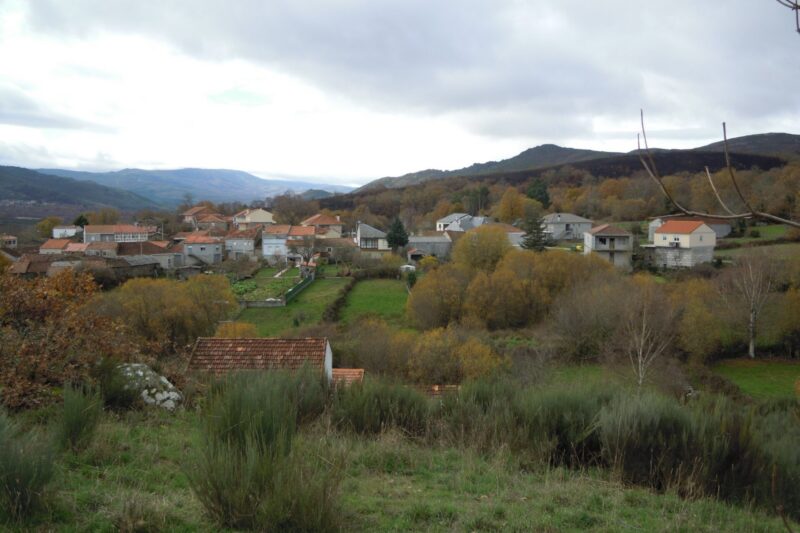 A Limia, a district of OurenseBaltarA concello on the 'dry border' with Portugal, between the plain of A Limia and the Larouco range: heir to part of the Couto Mixto, with…
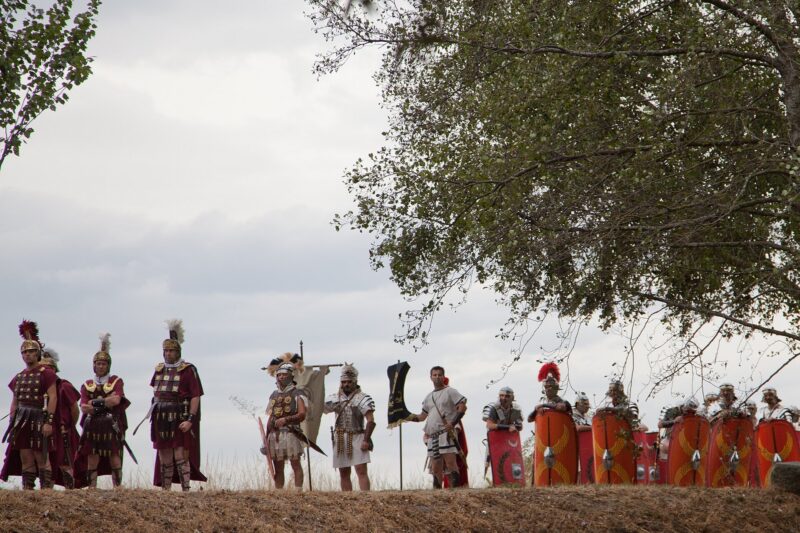 FestivalFesta do EsquecementoEvery August Xinzo de Limia relives the arrival of Decimus Junius Brutus's legions at the river Limia, the Lethes that, legend said, made…
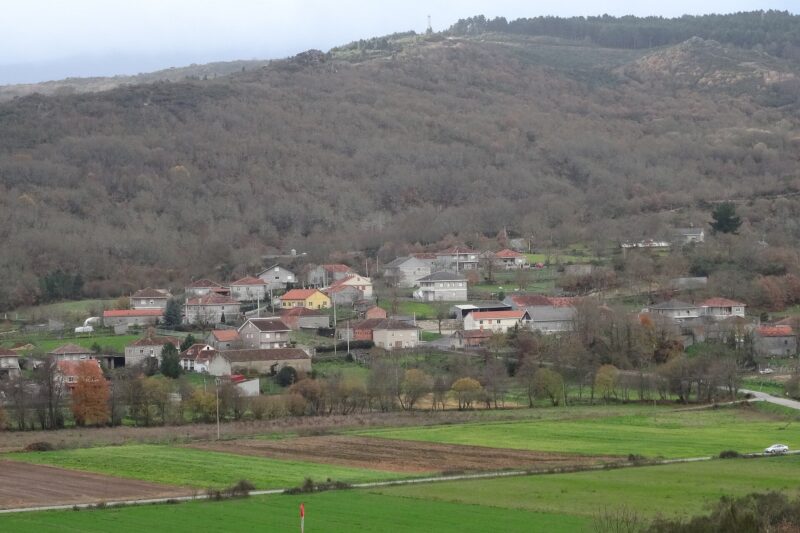 A Limia, a district of OurenseOs BlancosA small concello between the plain of A Limia and the southern hills, home to the 4th–5th century Christian oratory of Ouvigo and,…
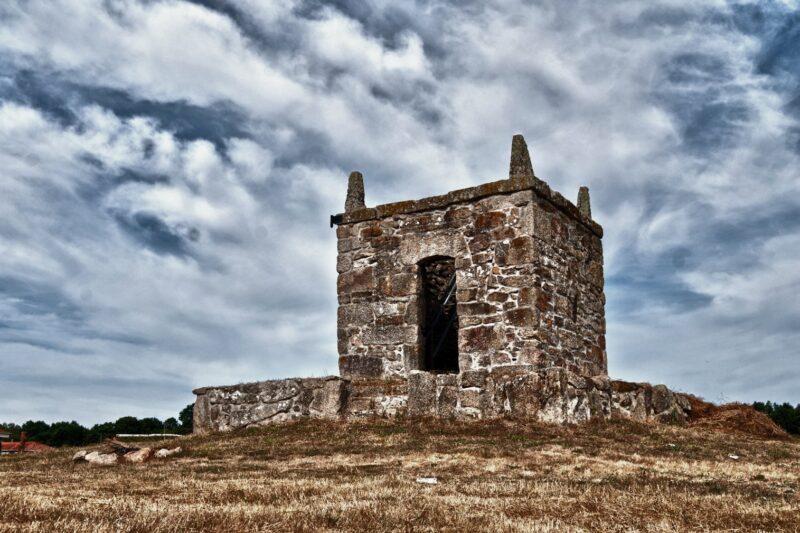 FestivalRomaría da SaínzaAround 24 September, thousands of pilgrims fill the field of A Saínza, in Rairiz de Veiga, to watch the Christians storm the castle held by…
