


The land of Limia in the early Middle Ages: tenentes, concilia and the border with Búbal (10th–12th centuries)
What the "land of Limia" was like in the 10th–12th centuries: a district ruled by tenentes and judges, with councils at Congostro, Molgas or Xinzo, a border with Búbal on the Miño, the "prince of Limia" and the rise of Allariz.
- Main source
- Pérez Rodríguez, Minius no. 23 (2015)
- Period
- 10th–12th centuries
- Councils
- Congostro 1007, Molgas 1012, Xinzo 1054
- Tenentes
- Rodrigo Ordóñez, Sancho Vázquez, Fernando Pérez de Traba
In the early Middle Ages, the land of Limia did not coincide exactly with the present comarca: it was a district of royal government, ruled by tenentes, which reached the banks of the Miño. Francisco Javier Pérez Rodríguez, of the University of Vigo, reconstructed in Minius (2015) its boundaries and administration from the Celanova cartulary and other diplomas, while studying the Ourense cathedral’s lordship and Louredo castle; the local data that follow are those most useful for the history of A Limia [1].
Limia and Búbal
In the 10th century, the neighbouring territory of Búbal (around the river of the same name, a tributary of the Miño at Os Peares) extended along the south bank of the Miño and covered Celanova and the lands of Aguiar; immediately to the east began the land of Limia, which included A Rabeda. Between 1005 and 1012 Búbal lost the lands south of the Miño to Limia and recovered them between 1061 and 1065, probably through King García of Galicia. In the first years of the 12th century the south bank of the Miño was again in Limia: the border between Búbal (north) and Limia (south) lay on the Miño. In 1097 Celanova is still located in "territorio Bubalensi et Limie", a sign that the reorganisation was under way [1].
Tenentes and councils
The documents show Limia governed by tenentes who presided over trials and assemblies (concilia), often at places in today’s comarca [1]:
- 1007, Congostro (Rairiz de Veiga): Afonso V and Duke Rodrigo Ordóñez, "who held that land under him". In 1012 they are at Molgas. Before 1025 Rodrigo Ordóñez presided over a council at Santiago de Pardavedra.
- 1054: Count Sancho Vázquez is tenente of Limia for Ferdinand I and appears as president "of the county and the court of the Limiense land". On the same date there is a trial at Xinzo (in the documents, villa Genittio). In 1056 he is at Guillamil, probably Santo André de Guillamil (Rairiz de Veiga).
- Other trials in the district: Pazó (1025) and Vilanova dos Infantes (1074). In 1077 Celanova appeals to the "judges of Limia" to claim rights over the men of Espiñoso.
- In the 10th century, by contrast, the king’s presence in the area is documented only north of the Miño, with no councils in the land of Limia.
The "prince of Limia" and the Ourense lordship
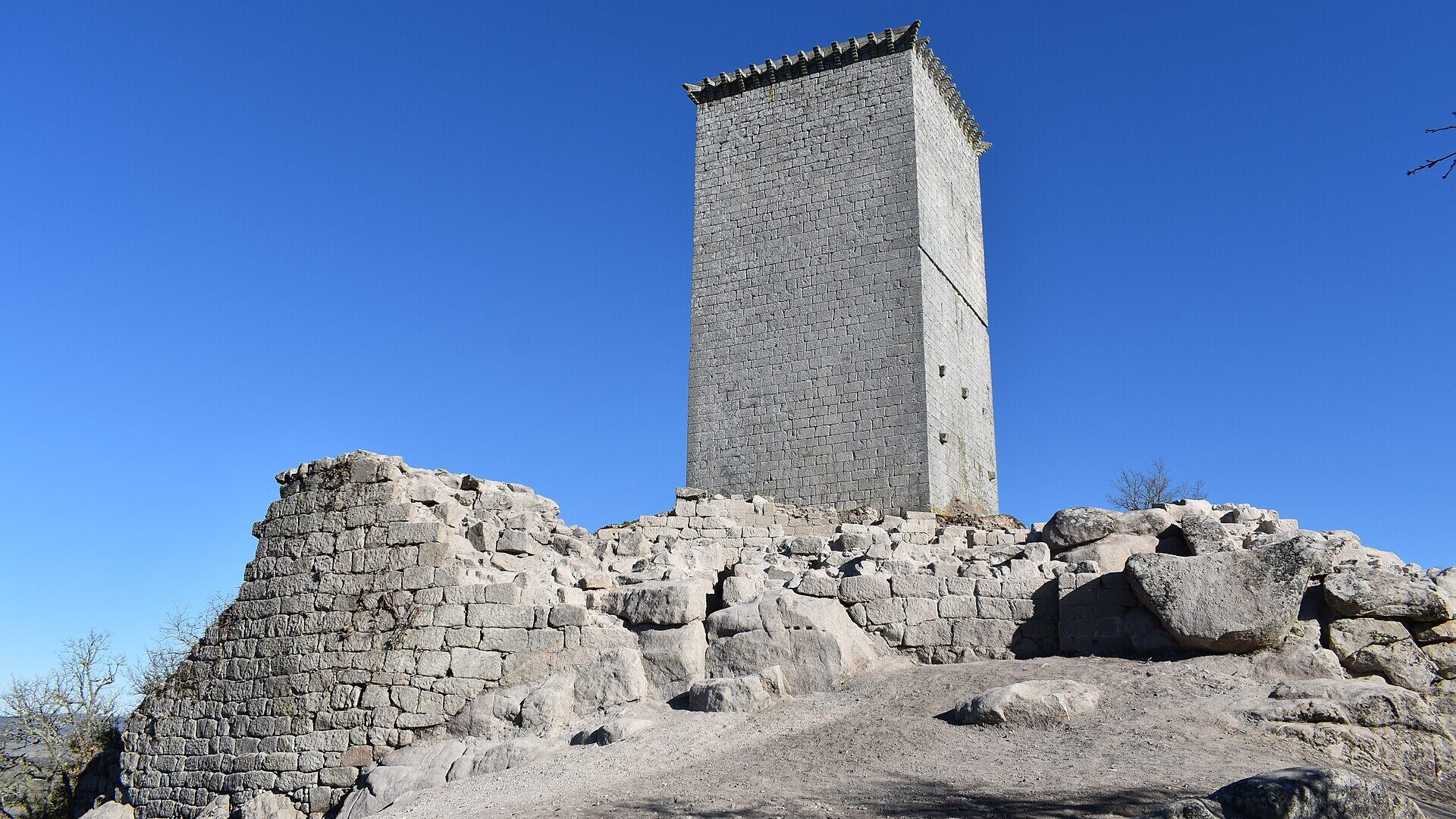
In 1122 Queen Teresa of Portugal donates to the see of Ourense with "the favour of the Limiense princes", who is none other than Fernando Pérez de Traba, royal delegate in the comarca; Bishop Diego also mentions Count Fernando as "Limiam regentis" when renewing the charters of Ourense, confirming that the city was included in the district. In 1133 Afonso VII enlarges the cathedral’s lordship and provides that its inhabitants should render military service only in the land of Limia, except when summoned directly by the king; Louredo castle, which governed the ceded area, then depended on the tenente of Limia. The text cites as the boundary of Limia with the Barroso the "termino inter Barroso et Limiam" [1].
The rise of Allariz
The reorganisation of the Limia area is reflected in the birth of Allariz as head of the territory under Count Raymond of Burgundy. Although the castle may have existed earlier, in the 10th and most of the 11th centuries it did not have the prominent position it would later have and does not appear in the Celanova cartulary; the first mention as a meeting place to seek justice is from 1110. This count is credited with granting the fair held at the start of each month in Allariz, which Teresa of Portugal moved to mid-month in Ourense in 1122; in 1131 Afonso VII grants the burgesses of Ourense the good charters of those of Allariz "throughout Limia", showing Allariz’s position in the Limia district [1]. See Middle Ages and towers and The Xinzo fairs through time, which recalls that in 1131 Afonso VII exempted from toll the people of Ourense who went to sell in A Limia.
What it teaches for today’s Limia
These data place Xinzo and Congostro among the places where justice was administered and the nobility met in the first half of the 11th century, and recall that the medieval "Limia" was a district of power, not a natural comarca. It helps to understand why the sources speak of the "prince of Limia" or the "judges of Limia", and how its centre later shifted towards Allariz [1].
Links
- History of A Limia
- Middle Ages and towers
- The battle of Aguioncha (c. 966)
- Rairiz de Veiga
- Xinzo de Limia
Sources
- Pérez Rodríguez, Francisco Javier: «El coto Auriense y el castillo de Louredo entre las tierras de Búbal y Limia (ss. X-XII)», Minius, n.º 23, 2015, pp. 241-260. https://revistas.uvigo.es/index.php/mns/article/view/3293
You may also like
 History of A LimiaPrehistory and castros of A LimiaFrom the Pedra Alta de Antela to the castro of Bóveda: megaliths, the Roufeiro weapons, the Outeiro de Baltar and the gold earring of Vilar…
 History of A LimiaThe Limici in Roman inscriptions: Celer’s gladiatorial tessera and Corellius LimicusTwo epigraphic pieces outside A Limia that mention a "Limicus": the bronze gladiatorial tessera from Niebla (Huelva), of the 1st century,…
 History of A LimiaThe battle of the Xinzo bridge (23 February 1809)On 23 February 1809 farmers, abbots and friars of A Limia, poorly armed, tried to stop Soult's French vanguard at the Xinzo bridge; they…
History of A LimiaThe Limici and Romanisation: Civitas, Forum Limicorum and Via NovaWhat is known of the Limici and Roman Limia: the Civitas Limicorum, the debate over where the Forum Limicorum stood (A Cidá of Nocelo da…
 History of A LimiaThe Praza Maior, the Ladeira and the Toural: history of Xinzo’s central placesHistory of the Praza Maior (fairs since the 16th century, the 1907 Espolón, the fountain), the Ladeira and the Toural (the lagoon, the…
History of A LimiaLight, chocolate, fizzy drinks and roads: the industrial and service Xinzo of the 20th centuryHow electricity (1911), the printing press, chocolate and soda factories, the Rubio Cold-Storage Slaughterhouse and buses to Ourense and…
