


Portuguese monarchists exiled in A Limia (1911-1912)
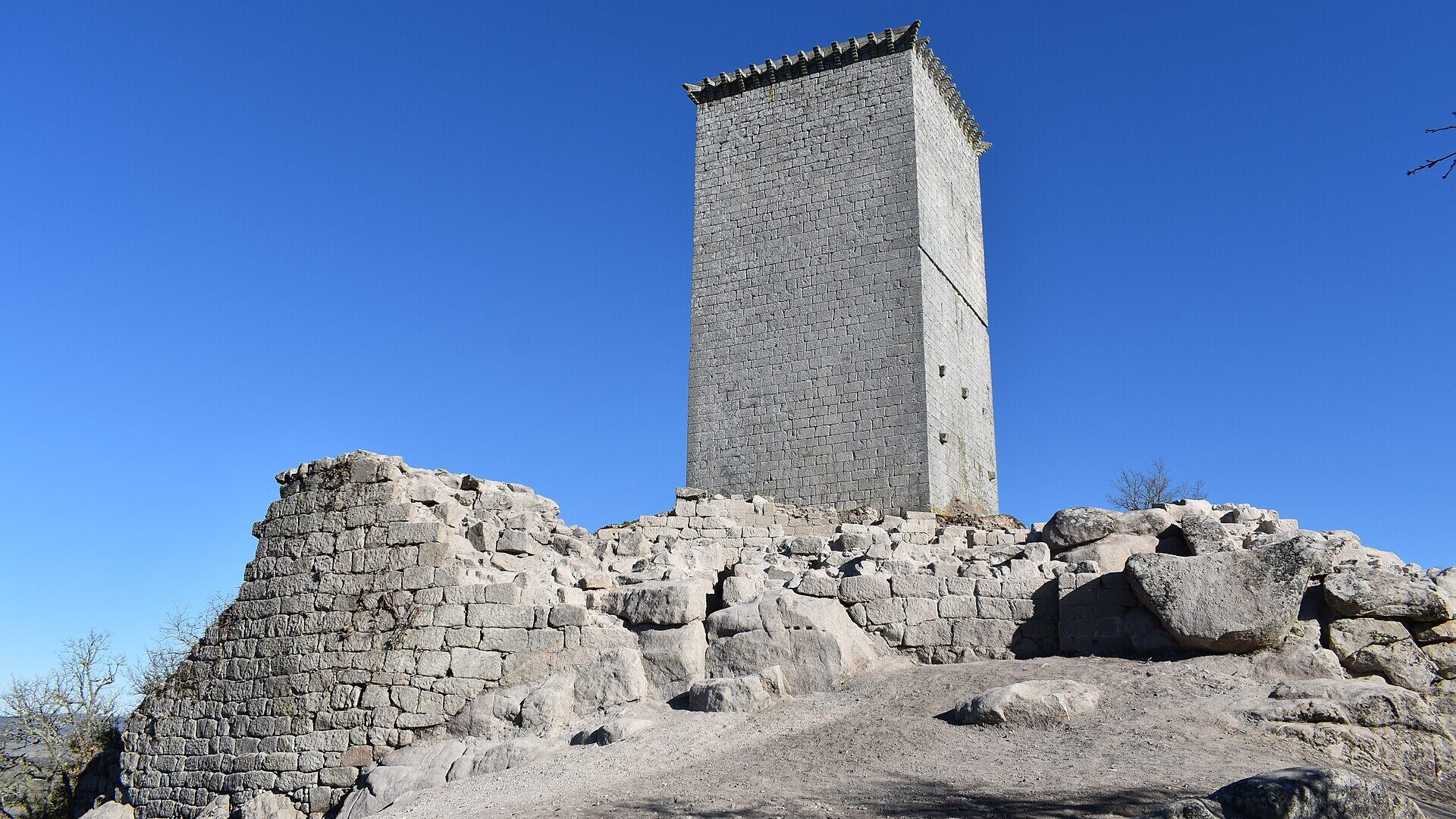
After the Portuguese Republic of 1910, exiled monarchists prepared in A Limia the Paiva Couceiro incursions of 1911 and 1912; there was tension in Xinzo, Verín and Bande, and the Pazo do Telleiro served as a refuge.
- Period
- 1911-1912
- Context
- Proclamation of the Portuguese Republic, October 1910
- Leader of the incursions
- Henrique Mitchell de Paiva Couceiro (1861-1944)
- Refuge in A Limia
- Pazo do Telleiro, Couso de Limia (Sandiás)
After the revolution that proclaimed the Republic in Portugal and dethroned King Manuel II in October 1910, many Portuguese monarchists fled to Galicia. In 1911 and 1912 exiles lived in Xinzo de Limia and other border towns, such as Verín and Bande, plotting to restore the monarchy, and they left a mark in the local chronicles. The A Limia border was then the base of operations for the so-called "monarchist incursions" against the Portuguese Republic [1].
The "paivanes" in Xinzo
According to the account in Historia de Xinzo, the exiles caused problems of coexistence with the locals and with the Portuguese visitors passing through town. The local press criticised them, called them "paivanes" (from the name of Captain Paiva Couceiro, their ringleader) and called for their expulsion. The matter was serious: there was talk of arms smuggling across the border and the authorities were asked to watch the frontier in the provinces of Ourense and Pontevedra [1].
Henrique Mitchell de Paiva Couceiro (1861-1944) was a Portuguese soldier, colonial administrator and politician, protagonist of the occupation campaigns in Angola and Mozambique, and inspirer of the monarchist incursions of 1911, 1912 and 1919. In 1919 he briefly presided over the so-called Monarchy of the North (19 January to 13 February) [1].
The refuge at the Pazo do Telleiro
Paiva Couceiro’s wife lived at the Pazo do Telleiro, in Couso de Limia (Sandiás), and visits to her were used for meetings of the main monarchist leaders. The manor belonged to Eduardo de Cea Naharro, Baron of Casa Goda (1843-1929), a Pontevedra politician of the Conservative Party, who during the First Portuguese Republic hid Paiva Couceiro and was for that reason persecuted by Portuguese Republicans, with searches of his houses [1][2]. The place’s oral tradition adds that Paiva, very religious, thanked the hospitality with a gold medal to the manor’s administrator, and that part of the group’s weapons were left hidden in the cellar: it is a version that cannot be confirmed with documents [2]. See The Pazo do Telleiro.
The first incursion (October 1911)
Paiva Couceiro led the first incursion on 4 October 1911, the anniversary of the king’s fall. His troops entered Portugal via Cova de Lua, Espinhosela and Vinhais, where they raised the blue-and-white flag on the town hall. When Republican reinforcements arrived, they disbanded: between Vinhais and Salgueiros 400 men deserted, exhausted and hungry, and withdrew in disorder across the border to the Gerês, leaving Portugal on 20 October. The La Región correspondent in Verín told on 8 October that they had crossed the border at Lubián with 800 men, three infantry companies, a cavalry squadron and an artillery battery, but the report does not match the total failure of the incursion [1].
The incidents of 1912
In April 1912 El Eco Antelano told of an incident at Santos Gallego’s inn in Xinzo: some Portuguese emigrants insulted and threw out other newly arrived compatriots and chased them through the streets. Neighbours asked the mayor to expel "this rabble". In May there were other incidents involving three Xinzo neighbours, who spent the night in jail; similar events took place in Bande and Verín, where the Portuguese consul was stabbed. According to the account, it followed a plan the Republic’s consul had promised: within fifteen days not a Portuguese monarchist would remain in the area. The same newspaper published verses saying where the conspirators’ wives lived: Camacho’s in Abavides and Paiva’s at O Telleiro [1].
The exiles’ lodging costs amounted, according to the account, to 80,000 pesetas in Verín and 40,000 in Xinzo. In Galicia they had serious difficulty organising: the authorities did not let them meet in the same city or hold joint military exercises, seized their weapons and Spanish Republicans spied on them [1].
The second incursion (July 1912)
On 8 July 1912 they organised in three columns, commanded by Navy Lieutenant Vítor Sepúlveda and Captains Paiva Couceiro and Mário de Sousa Dias, with about a thousand men, well armed and with artillery. The telegrams of that day give an idea of the tension in A Limia: from Xinzo they reported the possible entry of 800 Portuguese, the mayor of Baltar said a column of 700 armed men with artillery had crossed the concello, and the conspirators intercepted the telegraph between Xinzo and Ourense. The Spanish government at first backed Paiva Couceiro but then ordered the monarchists expelled [1].
Paiva’s column entered via Sendim and headed for Montalegre, but changed plan and attacked Chaves, which had been left unprotected. The garrison resisted and, on returning from its detour, caused the monarchists to break up, leaving dead, wounded and prisoners, and they fled towards Spain via Outeiro Seco. They did not try again until 1919, when they dominated part of northern Portugal for almost a month [1].
Frequently asked questions
Why were there Portuguese monarchists in A Limia? They fled after the 1910 Republican revolution and A Limia, right on the border, was a convenient place to conspire [1].
What was the Pazo do Telleiro in this story? The house of Eduardo de Cea Naharro, who hosted Paiva Couceiro and where the conspirators met [1][2].
Links
Sources
- Edelmiro Martínez Cerredelo, «Exiliados monárquicos portugueses na Limia: 1911-1912 (1.ª e 2.ª incursión)», Historia de Xinzo, 22/04/2014, con citas de La Región, El Eco Antelano e R. Laso, Lethes n.º 11. https://historiadexinzo.wordpress.com/2014/04/22/exiliados-monarquicos-portugueses-na-limia-1911-1912-1a-e-2a-incursion/
- Beatriz Gutiérrez Caneda, «O Pazo do Telleiro, unha ollada ao pasado», Historia de Xinzo, 13/05/2016. https://historiadexinzo.wordpress.com/2016/05/13/o-pazo-do-telleiro-unha-ollada-ao-pasado-couso-de-limia-sandias/
You may also like
 History of A LimiaPrehistory and castros of A LimiaFrom the Pedra Alta de Antela to the castro of Bóveda: megaliths, the Roufeiro weapons, the Outeiro de Baltar and the gold earring of Vilar…
 History of A LimiaThe Limici in Roman inscriptions: Celer’s gladiatorial tessera and Corellius LimicusTwo epigraphic pieces outside A Limia that mention a "Limicus": the bronze gladiatorial tessera from Niebla (Huelva), of the 1st century,…
 History of A LimiaThe battle of the Xinzo bridge (23 February 1809)On 23 February 1809 farmers, abbots and friars of A Limia, poorly armed, tried to stop Soult's French vanguard at the Xinzo bridge; they…
History of A LimiaThe Limici and Romanisation: Civitas, Forum Limicorum and Via NovaWhat is known of the Limici and Roman Limia: the Civitas Limicorum, the debate over where the Forum Limicorum stood (A Cidá of Nocelo da…
 History of A LimiaThe Praza Maior, the Ladeira and the Toural: history of Xinzo’s central placesHistory of the Praza Maior (fairs since the 16th century, the 1907 Espolón, the fountain), the Ladeira and the Toural (the lagoon, the…
History of A LimiaLight, chocolate, fizzy drinks and roads: the industrial and service Xinzo of the 20th centuryHow electricity (1911), the printing press, chocolate and soda factories, the Rubio Cold-Storage Slaughterhouse and buses to Ourense and…
