


The Regional Country Fairs of Xinzo (1964-1966)
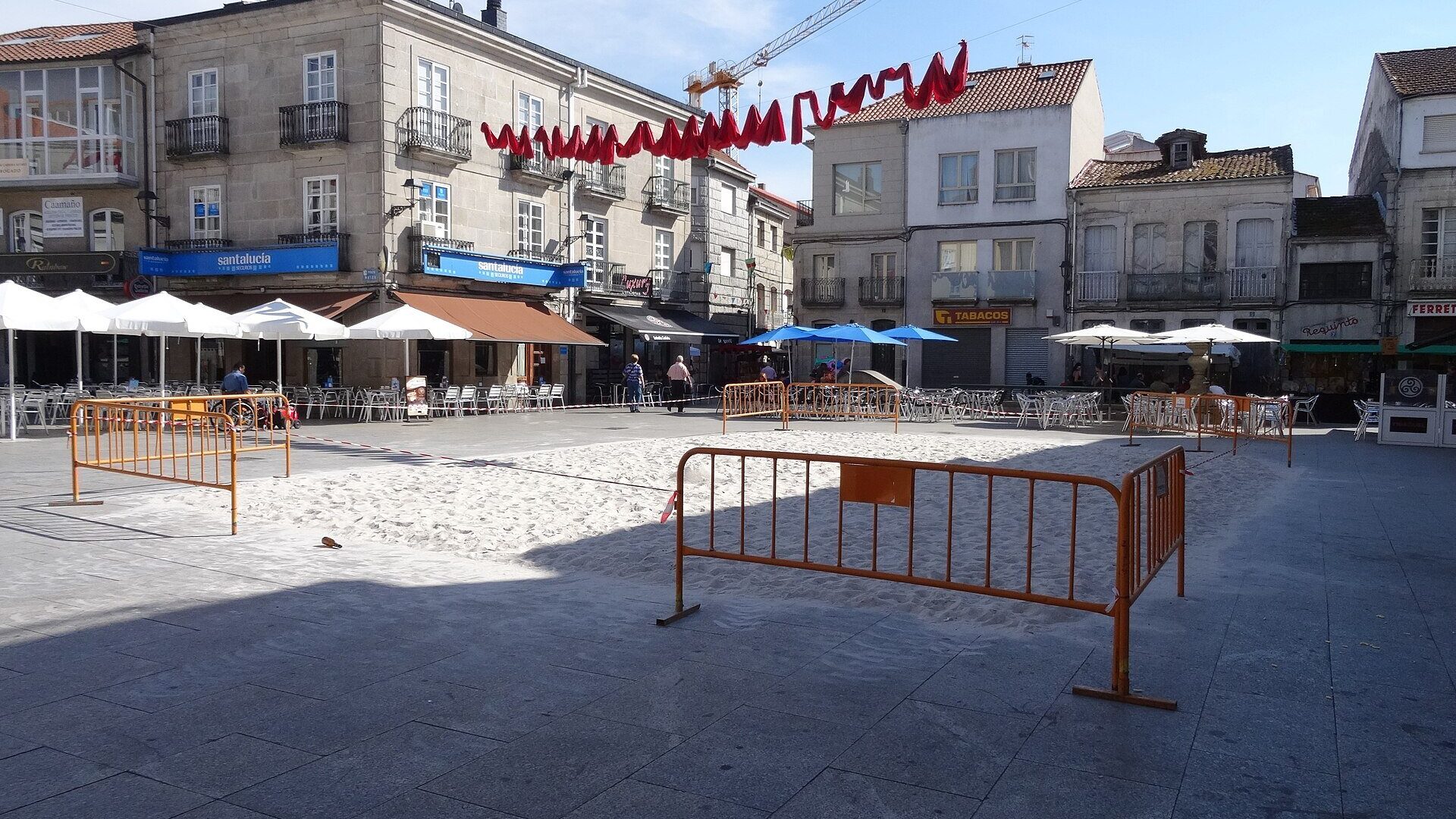
The three Regional Country Fairs held in Xinzo in 1964, 1965 and 1966, at the Toural, to modernise agriculture and livestock farming in A Limia during the draining of the Lagoa de Antela, with tractor, livestock and machinery contests.
- Editions
- three (1964, 1965 and 1966)
- Place
- Toural field, Xinzo
- Technical promoter
- Nazario Martínez Fuertes, head of the Agricultural Extension Agency
- Context
- draining of the Lagoa de Antela and land consolidation
In 1964, 1965 and 1966 three regional agricultural and livestock fairs, called the "Feira Comarcal do Campo", were held in Xinzo de Limia. At that time the Lagoa de Antela was being drained, the handing over of new plots was near and land consolidations were foreseen, and the fairs were born to train farmers, modernise and mechanise tools and promote new cultivation techniques that would boost the economy of A Limia. According to the researcher Edelmiro Martínez Cerredelo, they were among the first agricultural fairs in Galicia [1].
Who drove them
The main promoter and driving force was Nazario Martínez Fuertes, newly arrived as head of the comarca’s Agricultural Extension Agency, who held the post until his transfer and to whom Cerredelo attributes a strong mark on Limia agriculture. He was the technical adviser of the three editions, which were chaired by the mayor, Luis Romero, with representatives of the farming unions [1].
The three editions
- 1st Regional Country Fair (1964). Held on the Toural field during the patronal festivals, on 18, 19 and 20 July. In the programme’s greeting the mayor explained that the fair sought a concrete aim, the rural family, a "decapitalised" environment that needed to adapt to the technical-economic world of modern farming. The most important event, besides the exhibition of machinery, livestock and farm produce, was a skill competition with tractors of up to 55 HP, with five prizes ranging from 1,500 pesetas and a trophy to 400 pesetas and a trophy, presented by the civil governor. Participating tractors received a subsidy of 125 pesetas and those from outside, 100 in expenses [1].
- 2nd Fair (1965). From 17 to 20 July, again at the Toural and with the patronal festivals. The programme included contests and parades of cattle and pigs, a tractor drivers’ parade and competition, demonstrations of machinery and new irrigation equipment, talks, daily screenings of agricultural documentaries and performances and dances on the site [1].
- 3rd Fair (1966). From 13 to 15 May, with the same committee and programme and, on the 15th (San Isidro), Mass and solemn procession in honour of the patron of farmers and a performance by the Choirs and Dances of the Women’s Section of Ourense [1].
Success and disappearance
The fairs had high participation by exhibitors, farmers and livestock breeders, not only from the comarca but from all Galicia, and helped spread agricultural knowledge and the mechanisation of farming in A Limia. Cerredelo believes that, had they continued, they would today be as well known as Silleda’s; the real causes of their end are not known, and he considers the main reason to have been the transfer of Martínez Fuertes [1].
To learn more
For the context of the draining and its consequences, see The Lagoa de Antela and Xinzo: industry and services in the 20th century.
Frequently asked questions
When was the first Regional Country Fair? From 18 to 20 July 1964, on the Toural field, with the patronal festivals [1].
Why did they disappear? It is not known exactly; one hypothesis is the departure of the head of the Agricultural Extension who organised them [1].
Links
- History of A Limia
- Xinzo: industry and services in the 20th century
- Cultural life of Xinzo, 1948-1970
- The Lagoa de Antela
Sources
- Edelmiro Martínez Cerredelo, «As Feiras Comarcais do Campo no Xinzo dos anos 60», Historia de Xinzo, 16/06/2017. https://historiadexinzo.wordpress.com/2017/06/16/as-feiras-comarcais-do-campo-no-xinzo-dos-anos-60/
You may also like
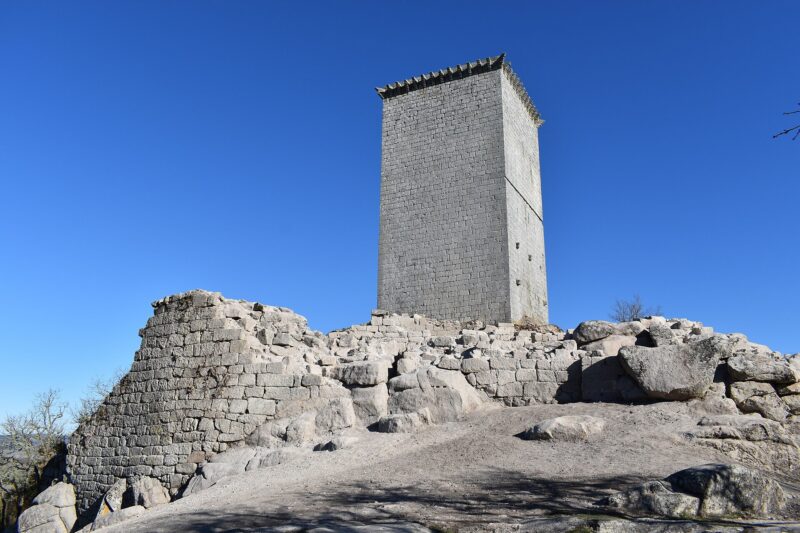 History of A LimiaPrehistory and castros of A LimiaFrom the Pedra Alta de Antela to the castro of Bóveda: megaliths, the Roufeiro weapons, the Outeiro de Baltar and the gold earring of Vilar…
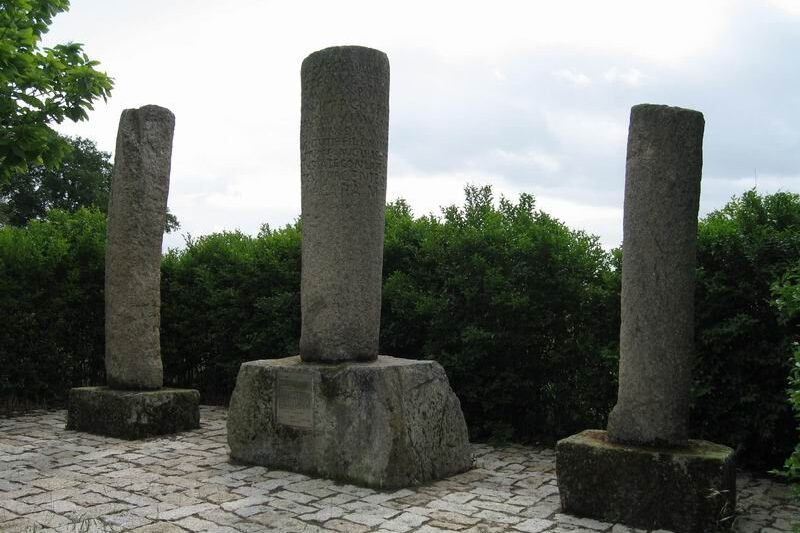 History of A LimiaThe Limici in Roman inscriptions: Celer’s gladiatorial tessera and Corellius LimicusTwo epigraphic pieces outside A Limia that mention a "Limicus": the bronze gladiatorial tessera from Niebla (Huelva), of the 1st century,…
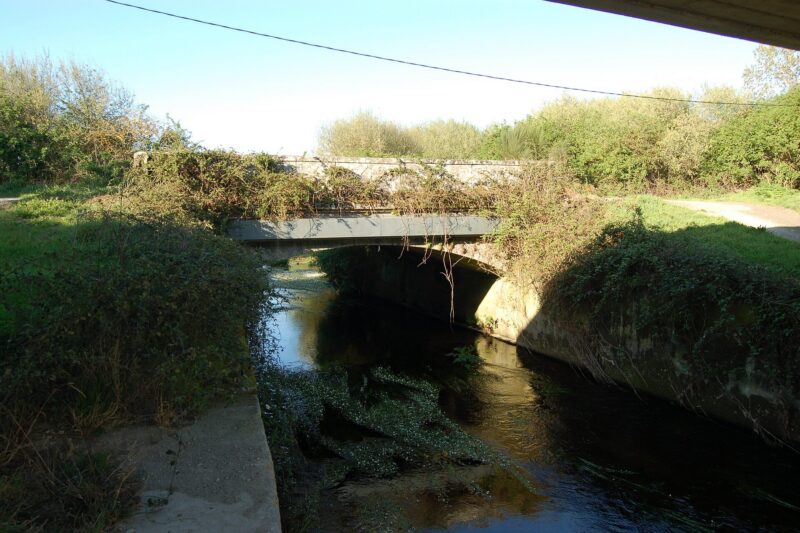 History of A LimiaThe battle of the Xinzo bridge (23 February 1809)On 23 February 1809 farmers, abbots and friars of A Limia, poorly armed, tried to stop Soult's French vanguard at the Xinzo bridge; they…
History of A LimiaThe Limici and Romanisation: Civitas, Forum Limicorum and Via NovaWhat is known of the Limici and Roman Limia: the Civitas Limicorum, the debate over where the Forum Limicorum stood (A Cidá of Nocelo da…
 History of A LimiaThe Praza Maior, the Ladeira and the Toural: history of Xinzo’s central placesHistory of the Praza Maior (fairs since the 16th century, the 1907 Espolón, the fountain), the Ladeira and the Toural (the lagoon, the…
History of A LimiaLight, chocolate, fizzy drinks and roads: the industrial and service Xinzo of the 20th centuryHow electricity (1911), the printing press, chocolate and soda factories, the Rubio Cold-Storage Slaughterhouse and buses to Ourense and…
