
Heritage of A Limia: towers, convents, mills and ethnographic villages
A guide to the heritage of A Limia with its own page: Torre da Pena, Torre do Castro of Sandiás, the Bon Xesús convent of Trandeiras, the ethnographic village of Congostro and the mills, ovens and springs of Rairiz and Calvos de Randín.
- Medieval towers
- Pena (Xinzo), Castro (Sandiás), Forxa (Porqueira) and Celme
- Convent
- Bon Xesús de Trandeiras, 16th century, BIC procedure
- Ethnographic village
- Congostro, in Rairiz de Veiga
The heritage of A Limia combines medieval military and religious architecture, archaeological remains and a very rich ethnographic heritage of mills, ovens, springs and traditional villages. This page is the index to the pages the corpus holds on it [1].
Towers and castles
- A Torre da Pena (Portela), in Xinzo de Limia: a 14th-century military tower, BIC since 1994, with three superimposed barrel vaults and the Inês de Castro tradition.
- O castelo de San Xoán de Bara, in Vilar de Barrio: an archaeological enclosure of up to 16 hectares with walls and Castro-culture huts.
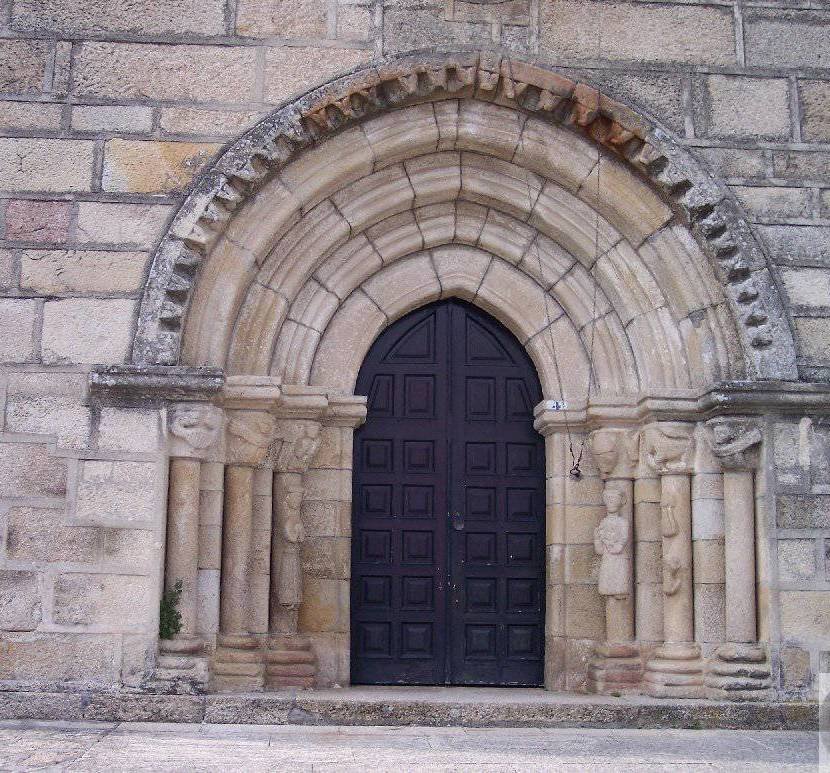
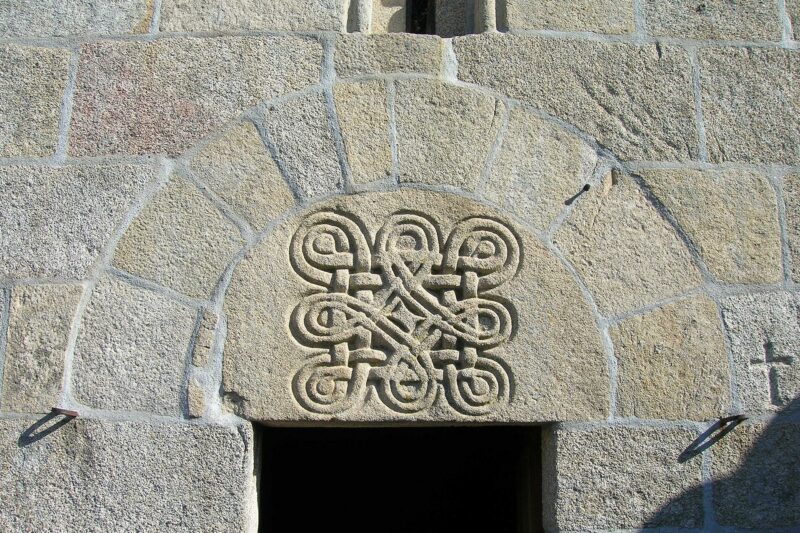
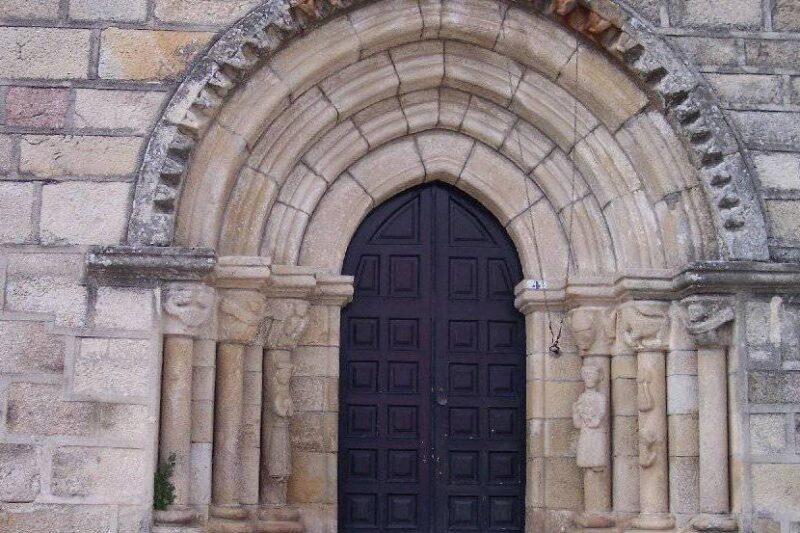
- A igrexa románica de Santa María de Zos, in Trasmiras: a four-archivolt portal, the pelican capital and an interlace tympanum.
- O peto de ánimas desaparecido de Xinzo: the peto of the Rúa do Peto, which existed until the late 1950s.
- A Torre do Castro de Sandiás: consolidated and used for guided visits and concerts.
- A Torre da Forxa (Porqueira): a 12th-century castle of the bishopric of Ourense, town hall and BIC.
- A Torre de Celme (Rairiz de Veiga): the vanished castle that completed the defensive system of the Lagoa de Antela.
- O castelo da Picoña (Calvos de Randín): the Portuguese fortress of the Couto Mixto, destroyed in 1650.
- O castelo da Saínza (Rairiz de Veiga): a BIC and the setting for the Moors and Christians battle.
- O Monte do Viso e A Cidá (Sarreaus): hill-fort, tin mines, Roman inscriptions and the Forum Limicorum candidacy.
- O oratorio paleocristián de Ouvigo (Os Blancos): an oratory and necropolis from the 4th to the 11th century.
- The Torre da Forxa or de Firbeda (Porqueira) appears in the Xunta’s heritage catalogue. A Forxa and Celme complete the frontier defensive system of the Alta Limia, in the words of the local literature [1].
Convents and churches
-
O Convento do Bon Xesús da Limia, in Trandeiras: Franciscan, 16th century, a transition between late Gothic and the early Galician Renaissance.
-
Igrexas e capelas das parroquias de Xinzo de Limia: the dedications of each parish.
-
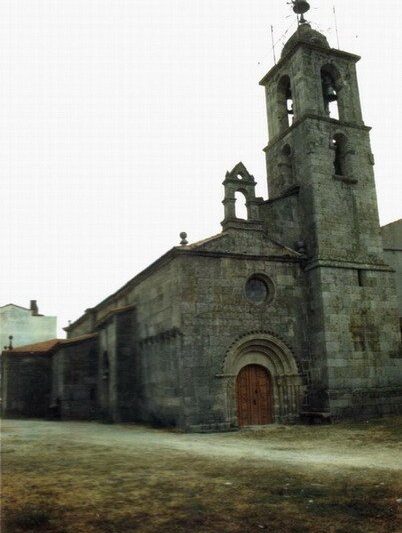
The Romanesque and Baroque churches of the parishes of Xinzo are on the pages for Boado, Damil and Seoane de Oleiros.
-
A igrexa de Santo Estevo de Sandiás: late Gothic, Manueline and Moure’s altarpiece.
-
Roteiro do patrimonio histórico de Xinzo de Limia, for touring the municipality’s monuments.
Ethnographic heritage
- Rairiz de Veiga: Congostro, muíños, fornos e fontes.
- Muíños de Calvos de Randín.
- Encalados e encintados: a decoración de cal das casas da Limia.
- Cruceiros e petos de ánimas da Limia: 158 items by municipality and parish.
- Fontes, mananciais e lavadoiros da Limia: 349 items by municipality and parish.
- More on the traditional world in Etnografía da Limia.
Heritage by municipality
An inventory of each municipality according to the official heritage catalogue, with mills, ovens, hórreos, churches, calvary crosses, springs, pazos and archaeological sites by parish, and the routes and walks the sources record:
- Baltar
- Os Blancos
- Calvos de Randín
- Porqueira
- Rairiz de Veiga
- Sandiás
- Sarreaus
- Trasmiras
- Vilar de Barrio
- Vilar de Santos
- Xinzo de Limia
Routes
-
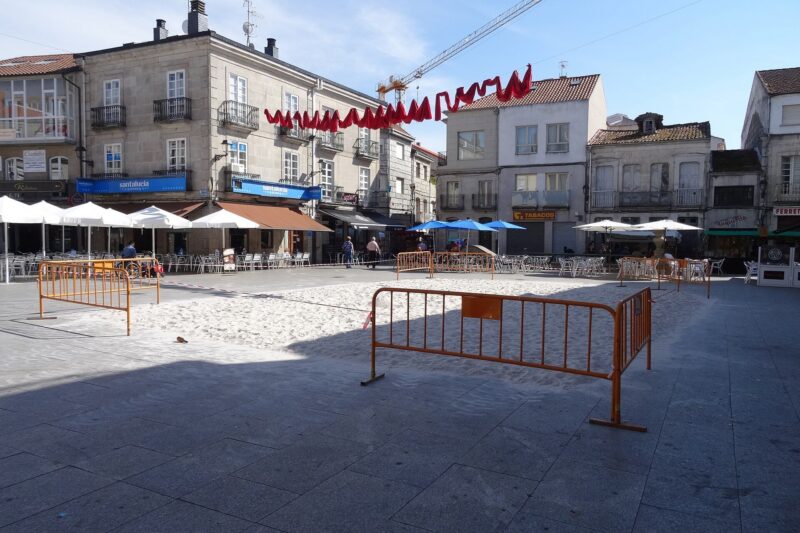
Xinzo de Limia nun día: a suggested visit combining museum, church, tower, convent, springs and lagoon.
-
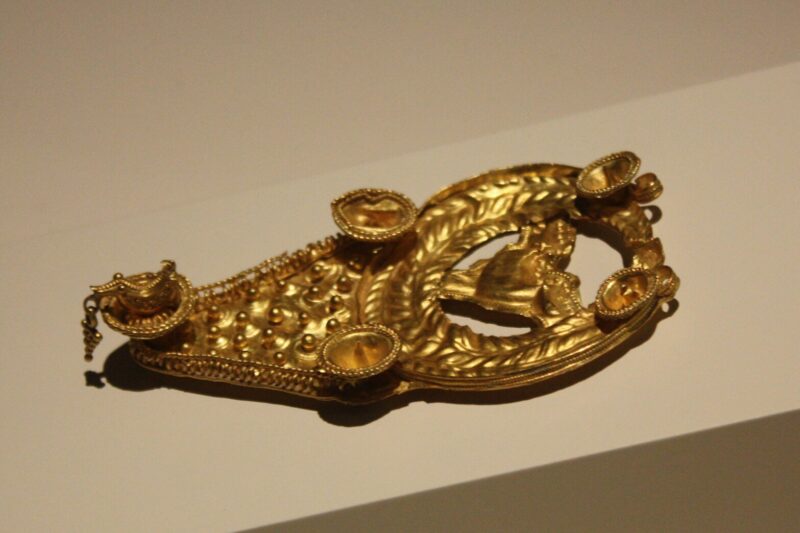
Pezas da Limia no Museo Arqueolóxico de Ourense: the silver tortas of Calvos de Randín, the arracada of Vilar de Santos and the eight escudos of Charles II.
FAQ
Which medieval tower can be visited in Sandiás?
The Torre do Castro, where in 2024 the Concello organised a guided visit on the towers of the region, beside the Interpretation Centre of the Lagoa de Antela [2].
When was the Convento do Bon Xesús built?
In the early 16th century, with Alonso de Piña as promoter and the master Bartolomé Nosendo in charge of the works [3].
Sources
- «A Torre de Pena (Xinzo de Limia)», Historia de Xinzo. https://historiadexinzo.wordpress.com/2018/10/12/a-torre-de-pena-xinzo-de-limia/
- «I visita guiada á Torre do Castro organizada polo Concello de Sandiás», Vía Lethes. https://vialethes.es/i-visita-guiada-torre-do-castro-concello-de-sandias
- «A Xunta declarará BIC o Convento do Bon Xesús da Limia», Vía Lethes. https://vialethes.es/a-xunta-declarara-ben-de-interese-cultural-o-convento-do-bon-xesus-da-limia-en-trandeiras-xinzo
In this topic
 Heritage of A Limia: towers, convents, mills and ethnographic villagesA tour of the historic heritage of the municipality of Xinzo de LimiaA summary of the historic heritage of Xinzo de Limia: the Romanesque old church, the churches of Novás and Morgade, Torre da Pena, the Bon…
 Heritage of A Limia: towers, convents, mills and ethnographic villagesEthnographic heritage of Rairiz de Veiga: Congostro, mills, ovens and springsThe ethnographic heritage of Rairiz de Veiga: the restored village of Congostro, the San Miguel mills route, 17 mills, 5 communal ovens and…
 Heritage of A Limia: towers, convents, mills and ethnographic villagesXinzo de Limia in a day: a route through heritage, water and the lagoonA suggested one-day visit to Xinzo de Limia: Museo Galego do Entroido, the church and square of the town, Torre da Pena, the Bon Xesús…
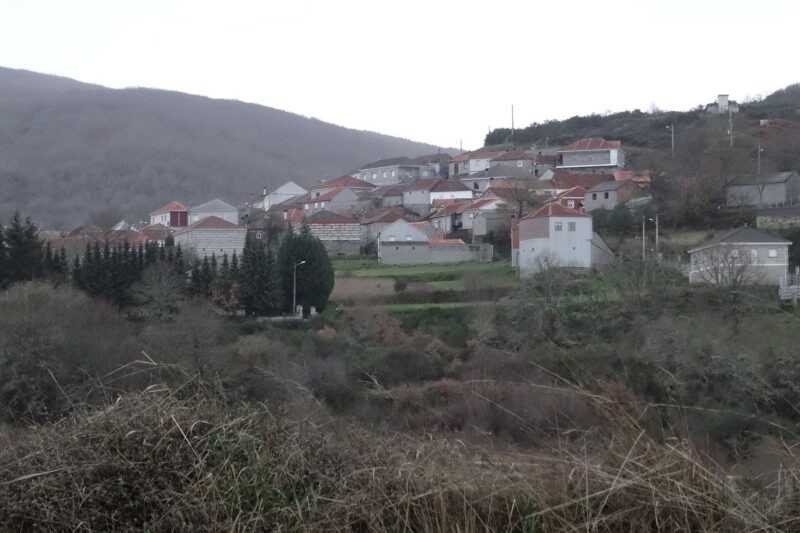 Heritage of A Limia: towers, convents, mills and ethnographic villagesMills and ethnographic heritage of Calvos de RandínCalvos de Randín has 18 mills catalogued in Galicia Nomeada, plus the Oratorio, tied to the rivers and streams of the Salas valley and the…
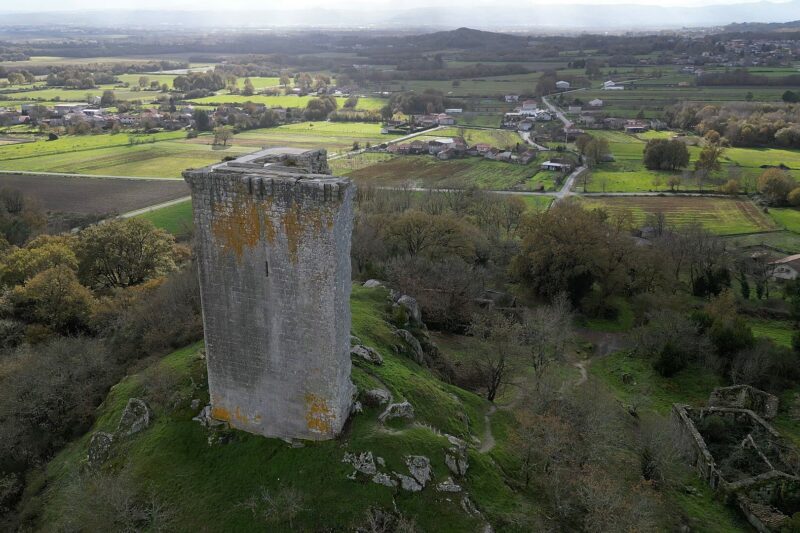 Heritage of A Limia: towers, convents, mills and ethnographic villagesThe Torre do Castro of Sandiás: history, visits and activitiesThe Torre do Castro, in Sandiás, is a 12th-century castle torn down by the Irmandiños in 1467 and now consolidated: its history, the 2024…
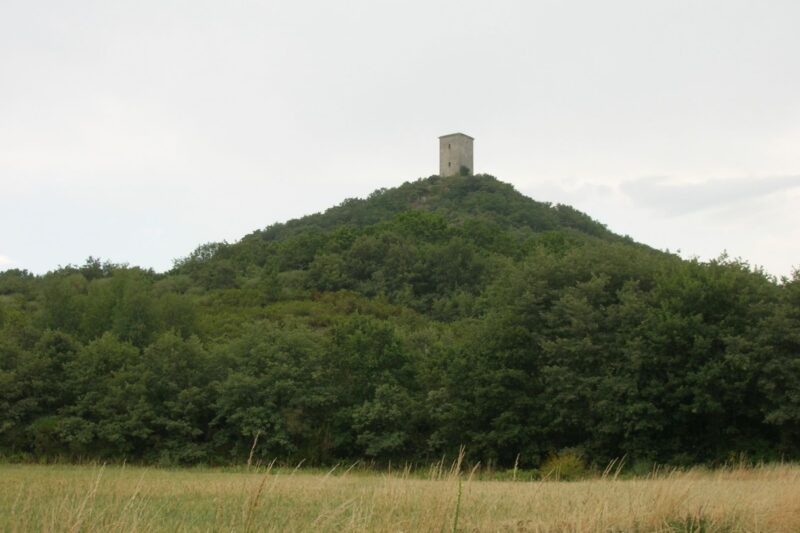 Heritage of A Limia: towers, convents, mills and ethnographic villagesThe Torre da Pena (Portela): history of a fortress of A LimiaThe Torre da Pena or Portela tower, in Xinzo de Limia, is a 14th-century military tower and a Bien de Interés Cultural since 1994: the…
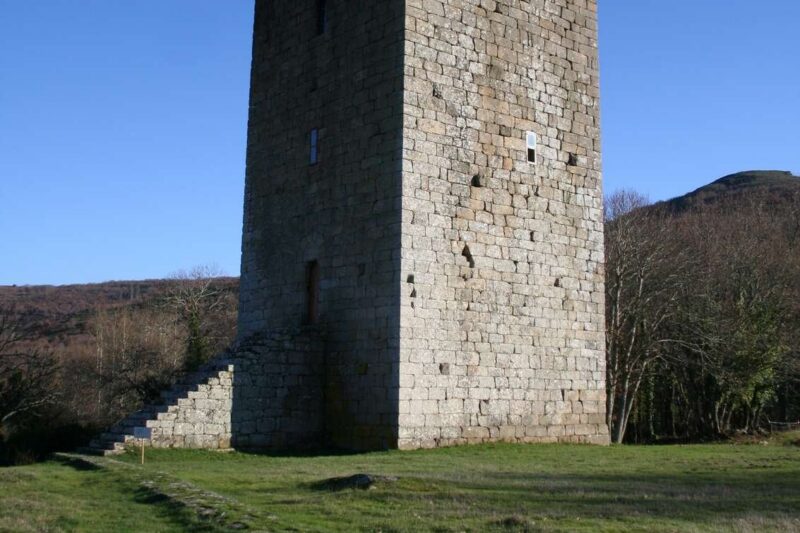 Heritage of A Limia: towers, convents, mills and ethnographic villagesThe Torre da Forxa (Porqueira): castle, monastery and IrmandiñosThe Torre da Forxa, also called de Fírbeda or de Porqueira, is what remains of a 12th-century castle: ceded to the bishopric of Ourense in…
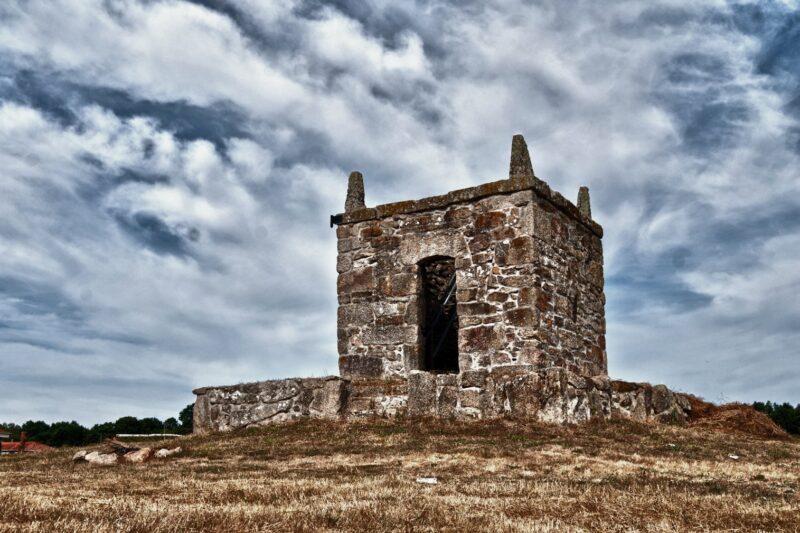 Heritage of A Limia: towers, convents, mills and ethnographic villagesThe Torre de Celme (Rairiz de Veiga): the vanished castleThe Torre de Celme, at the place of Celme (Ordes, Rairiz de Veiga), was one of the four medieval fortresses defending the Lagoa de Antela,…
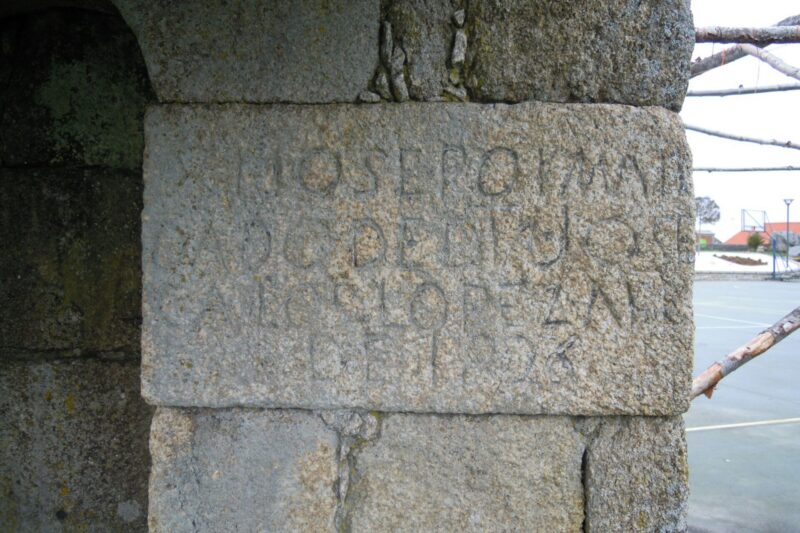 Heritage of A Limia: towers, convents, mills and ethnographic villagesThe vanished peto de ánimas of the Rúa do Peto, in Xinzo de LimiaThe peto de ánimas (souls' shrine) that stood on today's Rúa do Peto in Xinzo until the late 1950s, when the Santa Mariña council housing…
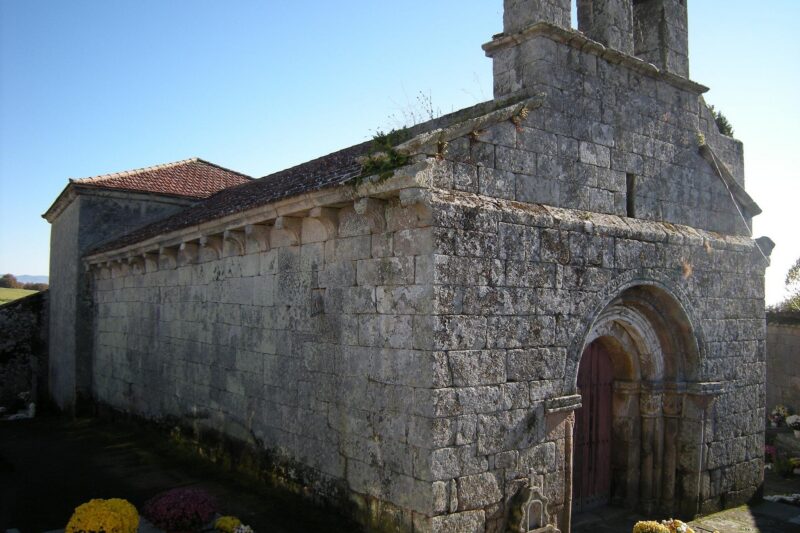 Heritage of A Limia: towers, convents, mills and ethnographic villagesThe Pazo do Telleiro, in Couso de Limia (Sandiás)History of the Pazo do Telleiro, in Couso de Limia (Sandiás): founded in the 17th century by the Añel family, it passed to the Cea, hosted…
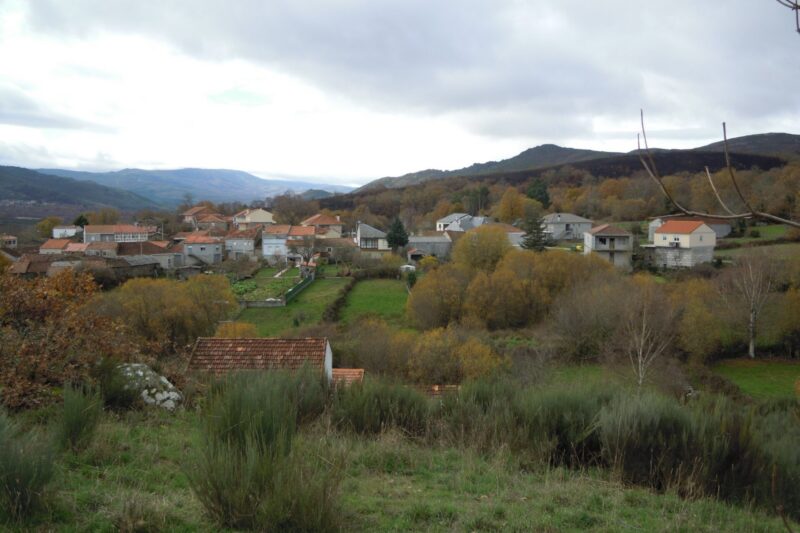 Heritage of A Limia: towers, convents, mills and ethnographic villagesHeritage and routes of Baltar: mills, ovens, churches and pazosInventory of the heritage of Baltar: 299 items from the official catalogue (churches, calvary crosses, mills, ovens, hórreos, springs,…
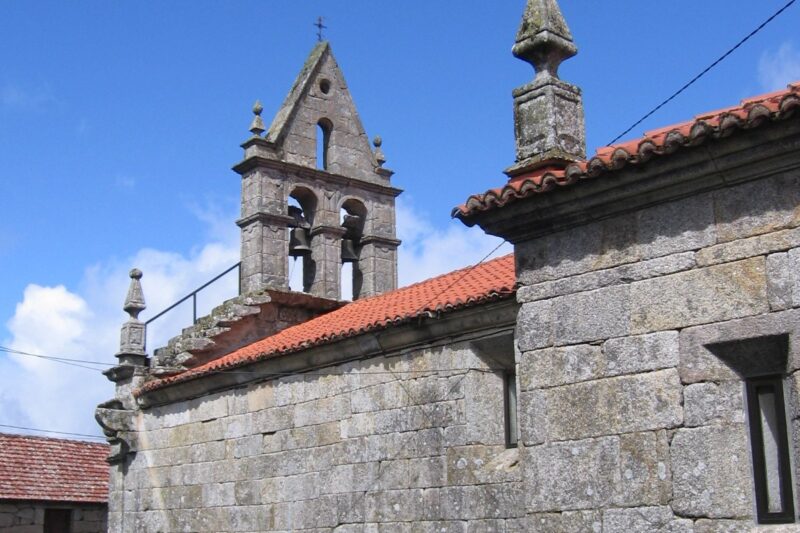 Heritage of A Limia: towers, convents, mills and ethnographic villagesHeritage and routes of Calvos de Randín: mills, ovens, churches and pazosInventory of the heritage of Calvos de Randín: 126 items from the official catalogue (churches, calvary crosses, mills, ovens, hórreos,…
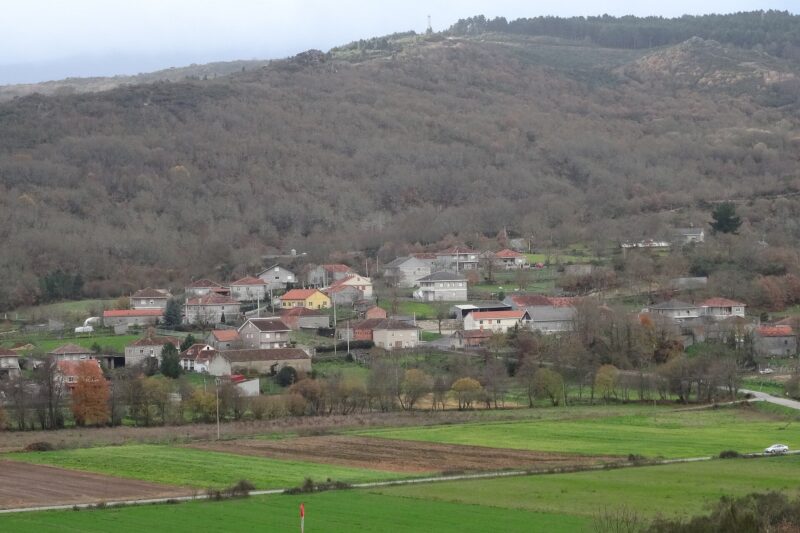 Heritage of A Limia: towers, convents, mills and ethnographic villagesHeritage and routes of Os Blancos: mills, ovens, churches and pazosInventory of the heritage of Os Blancos: 35 items from the official catalogue (churches, calvary crosses, mills, ovens, hórreos, springs,…
 Heritage of A Limia: towers, convents, mills and ethnographic villagesHeritage and routes of Porqueira: mills, ovens, churches and pazosInventory of the heritage of Porqueira: 32 items from the official catalogue (churches, calvary crosses, mills, ovens, hórreos, springs,…
Heritage of A Limia: towers, convents, mills and ethnographic villagesHeritage and routes of Rairiz de Veiga: mills, ovens, churches and pazosInventory of the heritage of Rairiz de Veiga: 210 items from the official catalogue (churches, calvary crosses, mills, ovens, hórreos,…
Heritage of A Limia: towers, convents, mills and ethnographic villagesHeritage and routes of Sandiás: mills, ovens, churches and pazosInventory of the heritage of Sandiás: 92 items from the official catalogue (churches, calvary crosses, mills, ovens, hórreos, springs,…
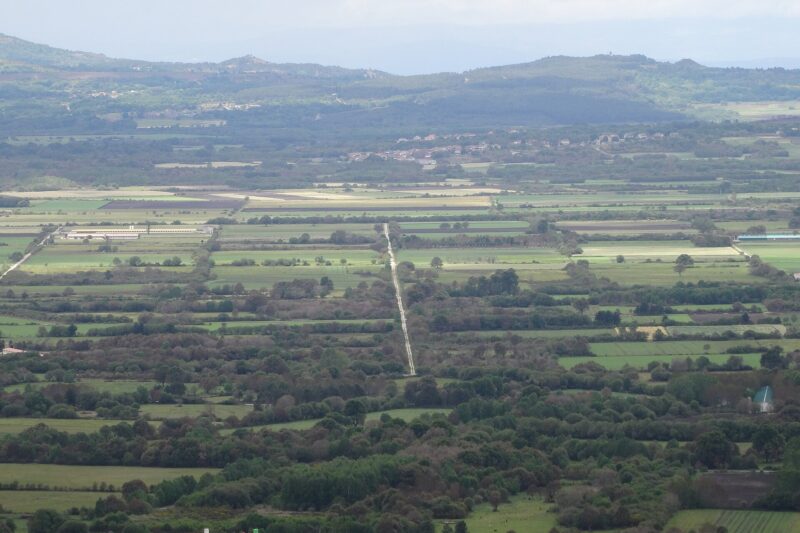 Heritage of A Limia: towers, convents, mills and ethnographic villagesHeritage and routes of Sarreaus: mills, ovens, churches and pazosInventory of the heritage of Sarreaus: 50 items from the official catalogue (churches, calvary crosses, mills, ovens, hórreos, springs,…
 Heritage of A Limia: towers, convents, mills and ethnographic villagesHeritage and routes of Trasmiras: mills, ovens, churches and pazosInventory of the heritage of Trasmiras: 98 items from the official catalogue (churches, calvary crosses, mills, ovens, hórreos, springs,…
 Heritage of A Limia: towers, convents, mills and ethnographic villagesHeritage and routes of Vilar de Barrio: mills, ovens, churches and pazosInventory of the heritage of Vilar de Barrio: 197 items from the official catalogue (churches, calvary crosses, mills, ovens, hórreos,…
 Heritage of A Limia: towers, convents, mills and ethnographic villagesHeritage and routes of Vilar de Santos: mills, ovens, churches and pazosInventory of the heritage of Vilar de Santos: 73 items from the official catalogue (churches, calvary crosses, mills, ovens, hórreos,…
 Heritage of A Limia: towers, convents, mills and ethnographic villagesHeritage and routes of Xinzo de Limia: mills, ovens, churches and pazosInventory of the heritage of Xinzo de Limia: 199 items from the official catalogue (churches, calvary crosses, mills, ovens, hórreos,…
 HeritageMonte do Viso and A Cidá: Nocelo da Pena’s candidacy for the Forum LimicorumThe hill-fort of A Cerca and A Cidá on Monte do Viso (Nocelo da Pena and Lodoselo, Sarreaus): tin mines, the Lodoselo altar, inscriptions…
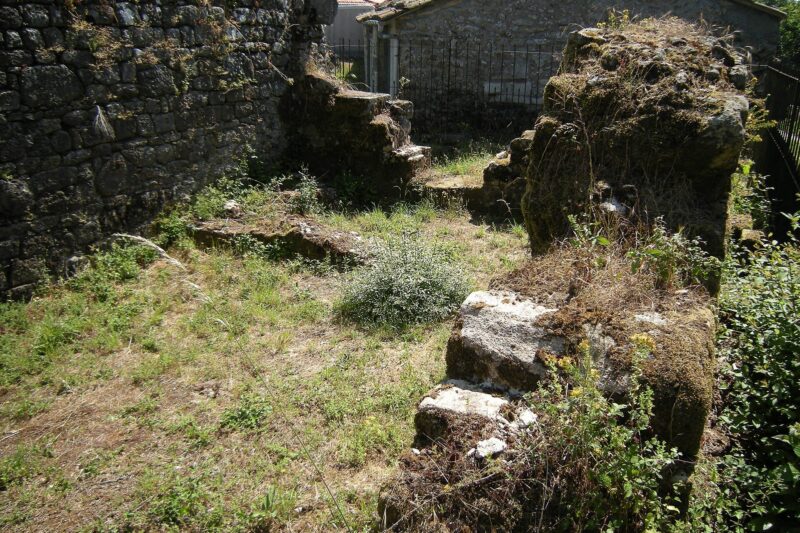 Heritage of A Limia: towers, convents, mills and ethnographic villagesThe early Christian oratory of Ouvigo (Os Blancos) and the landscape of the Lagoa de AntelaThe early Christian oratory and necropolis of San Breixo at Ouvigo (Os Blancos): found in 1971, its four phases from the 4th to the 11th…
Heritage of A Limia: towers, convents, mills and ethnographic villagesPieces from A Limia in the Provincial Archaeological Museum of OurenseThe Provincial Archaeological Museum of Ourense features as «pieces of the month» the silver torta hoard of Calvos de Randín, the Vilar de…
You may also like
 FestivalEntroido of Xinzo de LimiaThe Entroido of Xinzo de Limia lasts five weeks, has the Pantalla as its emblematic mask and has been a Festival of International Tourist…
A Limia, a district of OurenseXinzo de LimiaThe capital of A Limia, in southern Ourense: home of the Entroido carnival, the Festa do Esquecemento, the Torre da Pena and the Bon Xesús…
A Limia, a district of OurenseBaltarA concello on the 'dry border' with Portugal, between the plain of A Limia and the Larouco range: heir to part of the Couto Mixto, with…
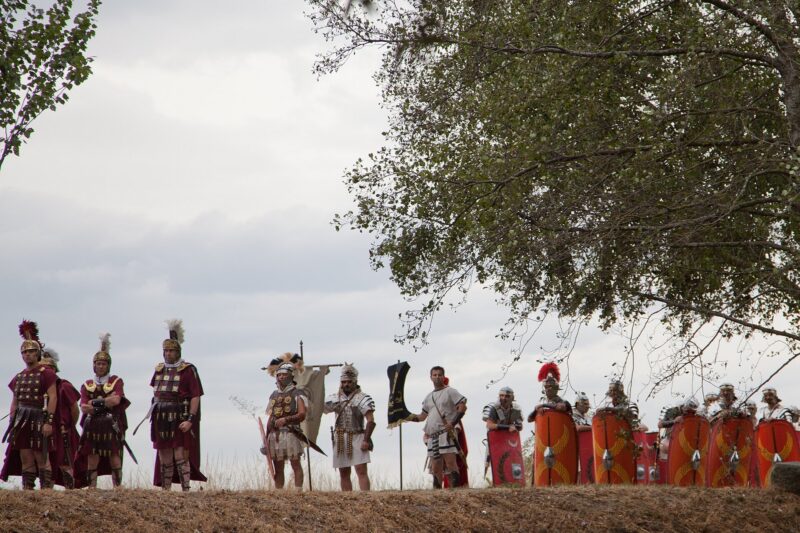 FestivalFesta do EsquecementoEvery August Xinzo de Limia relives the arrival of Decimus Junius Brutus's legions at the river Limia, the Lethes that, legend said, made…
A Limia, a district of OurenseOs BlancosA small concello between the plain of A Limia and the southern hills, home to the 4th–5th century Christian oratory of Ouvigo and,…
FestivalRomaría da SaínzaAround 24 September, thousands of pilgrims fill the field of A Saínza, in Rairiz de Veiga, to watch the Christians storm the castle held by…
