


Pieces from A Limia in the Provincial Archaeological Museum of Ourense
The Provincial Archaeological Museum of Ourense features as «pieces of the month» the silver torta hoard of Calvos de Randín, the Vilar de Santos arracada, the eight escudos of Charles II from the Igrexa Vella and the ivory chess piece.
- Calvos de Randín hoard
- 17 silver tortas, between 213 and 88 BC
- Arracada of Vilar de Santos
- found in 1924
- Coin from the Igrexa Vella
- eight gold escudos of Charles II
- Chess piece
- imported ivory, medieval date
The Provincial Archaeological Museum of Ourense presents in its «piece of the month» and activities sections several finds from A Limia. This page sets out what the museum says about them [1][2][3][4].
The silver torta hoard of Calvos de Randín
It is a set of very high-quality silver ingot-cakes (tortas), probably imported from the south of Spain, hidden in the heart of the Castro culture between the years 213 and 88 BC. The museum stresses their high economic value and a main function tied to goldsmithing, with another possible pre-monetary one [1].
The first report of the find was given by the local newspaper La Región in January 1962: four workmen had found by chance 17 oval-shaped tortas of solid silver. According to their account, they were hidden in a ceramic pot that broke in the haste of collecting them, and protected by a small circular stone mill [1]. Tortas of different metals and sizes are frequent in prehistory as a way of accumulating metal, and in the Castro culture they were the usual way of storing precious metals for trade or for the goldsmith to work [1].
The arracada of Vilar de Santos
In 1924 Benito Saburido found by chance, at the place called Albariño, what is known as the arracada of Vilar de Santos. Florentino López Cuevillas made it known in 1939 and since 1978 it has been part of the museum’s collection [2]. On the occasion of the centenary of the find, the Provincial Archaeological Museum of Ourense and the Museo da Limia organised a public exhibition of the piece and a contextualisation day in the municipality of Vilar de Santos [2]. On the Museo da Limia, see Museos da Limia.
Eight escudos of Charles II in the Igrexa Vella of Xinzo
During the archaeological excavations at the parish church of Santa Mariña, the Igrexa Vella of Xinzo, a coin of eight gold escudos of Charles II turned up, also called an onza or doubloon of eight. According to the archaeologist Manuel Xusto Rodríguez, around 1650 the church was remodelled and family burial niches were built, and the coin had been deliberately placed on the right side of a wooden coffin, in grave 161/SM 6, beneath the high altar, in the apse. It was the only one in the area facing the congregation, so the museum infers that the person buried had high status, possibly a senior churchman. With the burial came honey-glazed pottery and Talavera ware of the tricolour series [3].
The ivory chess piece
It turned up in the excavation at Rúa Santa Mariña no. 4-6 in Xinzo de Limia, carried out in March and April 2016 by Manuel García Valdeiras. The museum interprets it as a gaming piece, probably a chess piece, of imported ivory and therefore costly and exclusive, and gives it a medieval date from its surroundings, near the Romanesque necropolis [4]. Wider context in Xinzo romano: as estatuas sedentes e a peza de marfil.
The heritage catalogue of the Limia Alta
The museum, with the Grupo Marcelo Macías and the Consellería de Cultura, carried out the project to catalogue the cultural heritage of the Limia Alta, funded by the Fundación Pedro Barrié de la Maza in its 2006–2007 call for collaborative projects. The project catalogued a natural region of ten municipalities (Xinzo de Limia, Rairiz de Veiga, Vilar de Santos, Sandiás, Sarreaus, Porqueira, Os Blancos, Trasmiras, Calvos de Randín and Baltar) covering about 694 km², 80 parishes and 249 settlements [5]. The book of studies that accompanies it includes an exhaustive study of all the heritage of the Limia Alta [5]. The group also published in 1992 La Vía Nova en A Limia (Alvarado Blanco, Rivas Fernández and Vega Pato, 124 pages) [7].
The museum’s website describes the Torre de Porqueira as a medieval tower that for centuries neighboured the vanished Ponte Liñares and which, together with the towers of Sandiás and A Pena, formed the nobility’s defensive bulwark around the Lagoa de Antela, watching over the Vía Nova Antoniana and the Way of St James [6].
Links
Sources
- Museo Arqueolóxico Provincial de Ourense, «Tortas de fundición. Calvos de Randín». https://musarqourense.xunta.gal/gl/peza-mes/tortas-de-fundicion-calvos-de-randin
- Museo Arqueolóxico Provincial de Ourense, «Centenario da descuberta da arracada de Vilar de Santos». https://musarqourense.xunta.gal/gl/actualidade/actividades/centenario-da-descuberta-da-arracada-de-vilar-de-santos
- Museo Arqueolóxico Provincial de Ourense, «Oito escudos. Carlos II. Igrexa Vella, Xinzo de Limia». https://musarqourense.xunta.gal/gl/peza-mes/oito-escudos-carlos-ii-igrexa-vella-xinzo-de-limia
- Museo Arqueolóxico Provincial de Ourense, «Peza de marfil de Xinzo de Limia». https://musarqourense.xunta.gal/gl/peza-mes/peza-de-marfil-de-xinzo-de-limia
- Museo Arqueolóxico Provincial de Ourense, «Proxecto de catalogación do patrimonio cultural da Alta Limia». https://musarqourense.xunta.gal/gl/museo/grupo-marcelo-macias/proxectos/proxecto-de-catalogacion-do-patrimonio-cultural-da-alta-limia
- Museo Arqueolóxico Provincial de Ourense, «Torre de Porqueira». https://musarqourense.xunta.gal/gl/blog/torre-de-porqueira
- Museo Arqueolóxico Provincial de Ourense, «La Vía Nova en A Limia». https://musarqourense.xunta.gal/gl/difusion/publicacions/la-nova-en-limia
You may also like
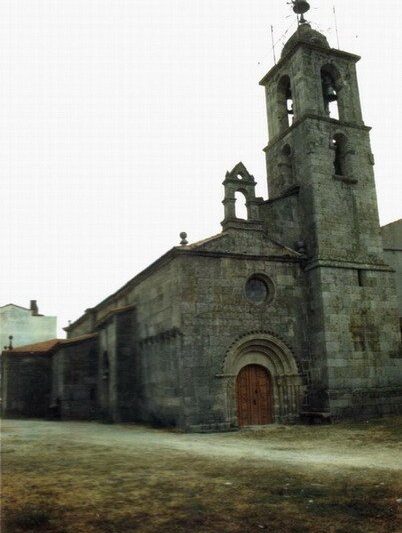 Heritage of A Limia: towers, convents, mills and ethnographic villagesA tour of the historic heritage of the municipality of Xinzo de LimiaA summary of the historic heritage of Xinzo de Limia: the Romanesque old church, the churches of Novás and Morgade, Torre da Pena, the Bon…
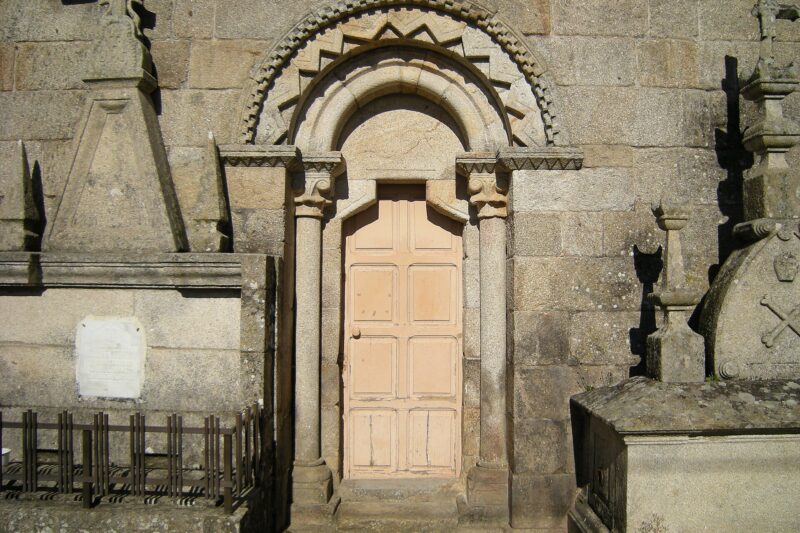 Heritage of A Limia: towers, convents, mills and ethnographic villagesEthnographic heritage of Rairiz de Veiga: Congostro, mills, ovens and springsThe ethnographic heritage of Rairiz de Veiga: the restored village of Congostro, the San Miguel mills route, 17 mills, 5 communal ovens and…
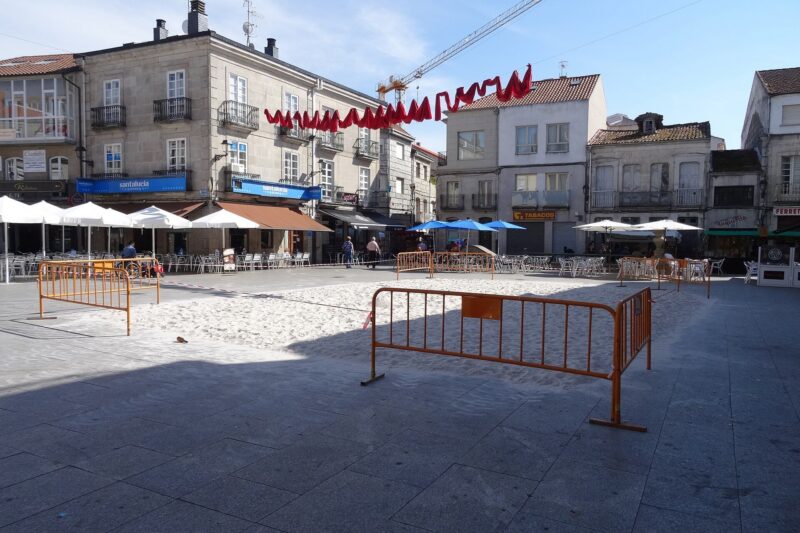 Heritage of A Limia: towers, convents, mills and ethnographic villagesXinzo de Limia in a day: a route through heritage, water and the lagoonA suggested one-day visit to Xinzo de Limia: Museo Galego do Entroido, the church and square of the town, Torre da Pena, the Bon Xesús…
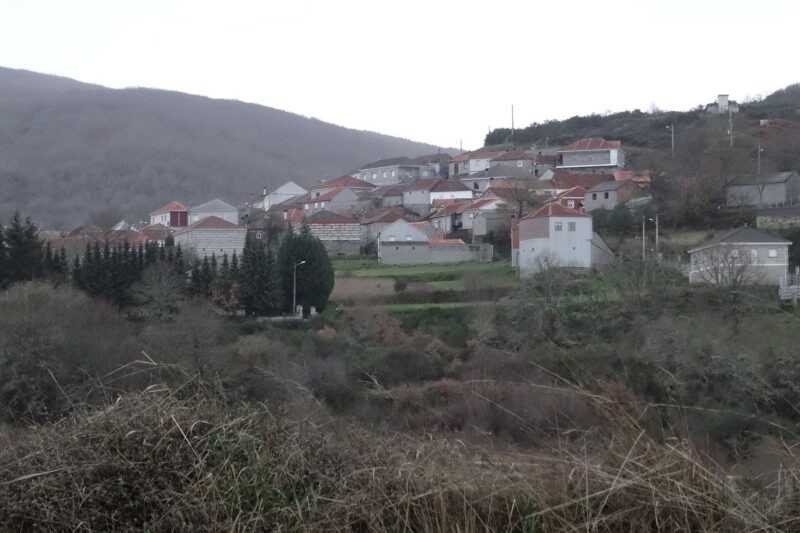 Heritage of A Limia: towers, convents, mills and ethnographic villagesMills and ethnographic heritage of Calvos de RandínCalvos de Randín has 18 mills catalogued in Galicia Nomeada, plus the Oratorio, tied to the rivers and streams of the Salas valley and the…
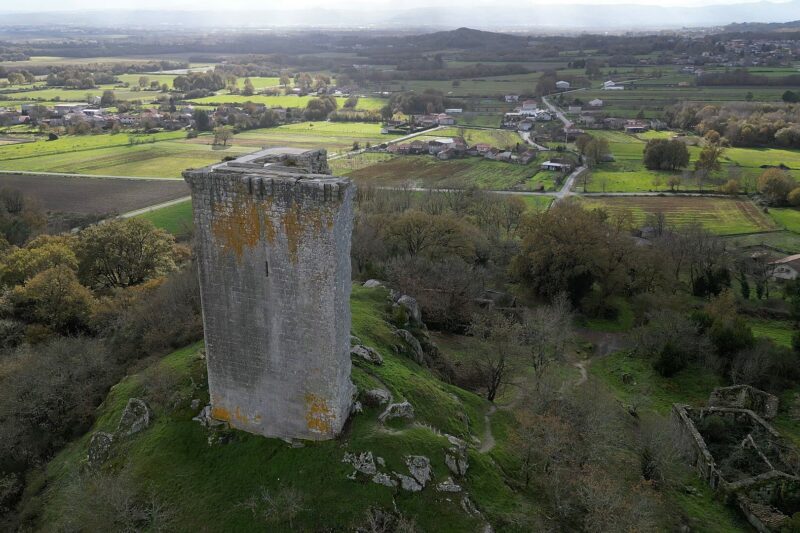 Heritage of A Limia: towers, convents, mills and ethnographic villagesThe Torre do Castro of Sandiás: history, visits and activitiesThe Torre do Castro, in Sandiás, is a 12th-century castle torn down by the Irmandiños in 1467 and now consolidated: its history, the 2024…
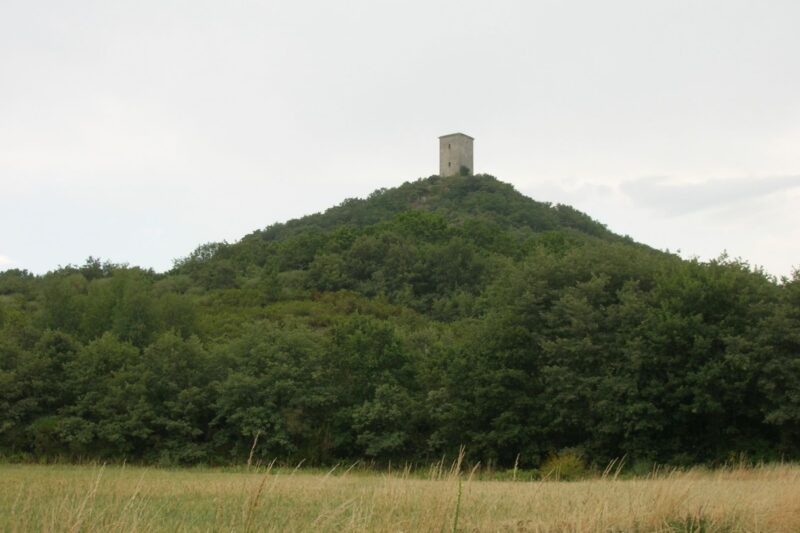 Heritage of A Limia: towers, convents, mills and ethnographic villagesThe Torre da Pena (Portela): history of a fortress of A LimiaThe Torre da Pena or Portela tower, in Xinzo de Limia, is a 14th-century military tower and a Bien de Interés Cultural since 1994: the…
