

Historical Figures of A Limia: A Timeline
Timeline of historical figures linked to A Limia, from Roman times to the 20th century: Limicians of Rome, Hidatius, counts, medieval nobility, bishops, founders, scholars and guerrillas, with a link to each entry.
- Coverage
- 1st to 20th centuries
- Criterion
- people with a source and a documented link to A Limia
- Pending
- historical memory of 1936 (separate section) and people without a source
This timeline orders the historical people of A Limia who have an entry or appear on a page of the project. Some were born in the area; others are nobles, bishops or founders who acted in it. Each item points to the text with sources where it is developed; only what appears on those pages is stated here [1].
Antiquity (1st-5th centuries)
- Celer, «Limician» (1st century): a man who presents himself as a native of the civitas Limicorum on a gladiatorial tessera from Niebla; see The Limicians in Roman inscriptions.
- Marcus Flavius Sabinus (2nd century): duumvir of his city and provincial flamen of Hispania Citerior, known from a pedestal at Tarraco.
- Corellius Limicus (late 2nd century): dedicator of a funerary stone in Complutum; same page as Celer.
- Saint Mariña of Aguas Santas (123-138, according to tradition): the saint whom tradition has born in Xinzo.
- Hidatius (5th century): bishop of Chaves and author of the Chronicle, the main source for Hispanic history between 418 and 468.
Early Middle Ages (10th-11th centuries)
- Rodrigo Velázquez and Gonzalo Menéndez (c. 966): the counts who clashed near Mount Aguioncha, in Feás; see The battle of Aguioncha. The monk Odoino left the account in his will.
- Pedro Díaz and Nuño Vandilaz (1061): the two men who agreed to share their lives in Ordes; see Archive stories.
Middle Ages (12th-15th centuries)
- Teresa Alfónsez (†1130): Countess of Portugal and mother of Afonso Henriques, who according to the RAH spent her last years in A Limia.
- Martín de Ginzo (13th century): minstrel with eight cantigas de amigo in the songbooks.
- Airas Vasques (c. 1170-1258): bishop of Lisbon born in Xinzo.
- Inés de Castro (c. 1320-1355): posthumous queen of Portugal whom tradition links to A Limia.
- Rui Páez de Biedma (1336) and Elvira de Biedma (1406): founder of the tower and the heiress who brought it to the Zúñiga and the lordship of Monterrei; see Torre da Pena.
- Alfonso VII and Alfonso IX: kings who ceded and sold Porqueira to the bishop of Ourense (1157 and 1204); see Porqueira.
Early Modern period (16th-18th centuries)
- Alonso de Piña (1520-1523): churchman who promoted the founding of the convent of Bon Xesús de Trandeiras; the master Bartolomé de Nosendo directed the works and the Count of Monterrei, Fernando de Andrade, according to the account tried to prevent them; see Convent of Bon Xesús.
- Álvaro de Oca y Zúñiga (16th century-1638): professor, judge and interim viceroy of Navarre, born in Celme.
- Juan de Santana y Otalora and Francisco Sarmiento de Sotomayor (17th century): lineages tied to the Inquisition in Potosí and in A Limia; see The Inquisition and the House of Santana.
- Juan Álvarez Sotelo (1648-1712): Jesuit and historian from Perrelos.
- Gaspar de Villarino (16th-17th century): nobleman of Granade, with a lawsuit in Valladolid in 1620, according to the RAH [2].
- José Seguín (17th century-1751): Baroque sculptor of Rairiz de Veiga.
- Fray Pedro Pascual García (†1756): Mercedarian sculptor, who died in Sabucedo de Limia while making the high altarpiece.
- Miguel Alonso (1747-1797): Benedictine abbot of El Espino, born in As Maus.
- Jerónimo de San Félix (1758-1828): Trinitarian and bishop of Albarracín, born in Baltar.
Wars and the liberal State (19th century)
- Francisco Piñeiro Solveira (18th century-1828): abbot and leader of bands in the Peninsular War; see The battle of the bridge of Xinzo (1809).
- Mateo Guillade and Ramón Martelo (1837): Carlist leader and judge of Xinzo; see The Carlist wars in A Limia.
- Remigio Garrido Bouzas (1830-1907): priest and writer of Escornabois.
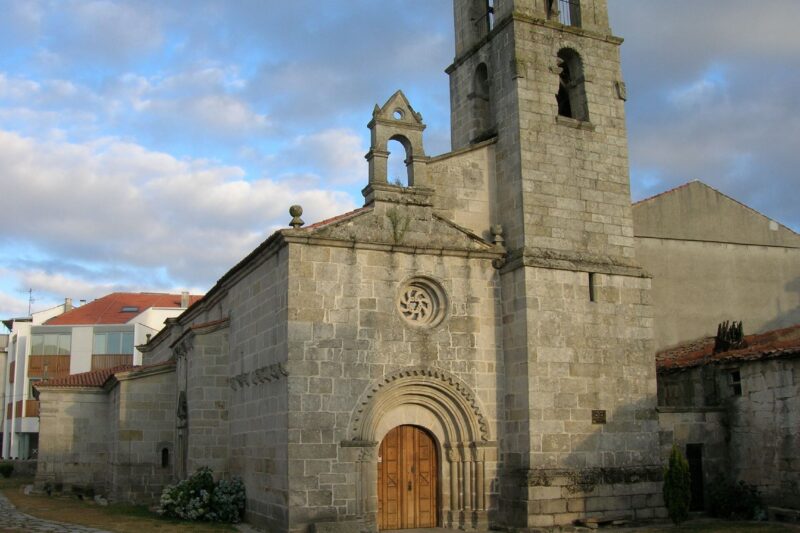
- Cástor Méndez Brandón (1864-1920): lawyer, baritone and poet.
- Julio Carballo Enríquez (Xinzo, 1861 – Buenos Aires, 1928): lawyer and journalist.
- Eduardo Cobián (1857-1918): minister and deputy for the Xinzo district.
- Constantino Limia Limia (1868-1961): lieutenant in the Cuban war.
20th century
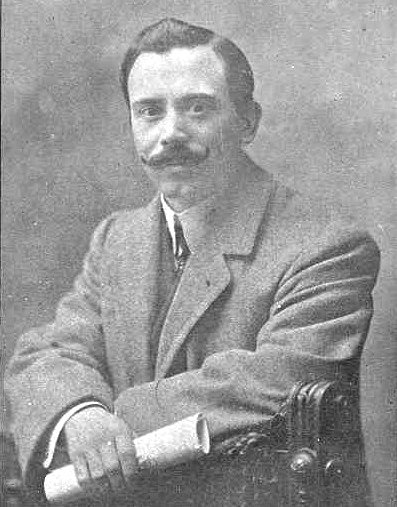
- Alfredo Nan de Allariz (1875-1927), Eulogio Gallego Martínez (1880) and Ramón Villarino de Sáa (1890-1959): poet and composer, guitarist and jurist.
- Olimpia Valencia (1898-1987): first woman in Galicia to graduate in Medicine.
- The Portuguese monarchists (1911-1912), with Paiva Couceiro, and José Santiago Taboada (1884-1969).
- Carlos Casares, Antón Tovar, Dolores Villarino and the poet Pedro Xosé Vizoso (b. 1959).
People murdered, repressed or persecuted in 1936 and the post-war period will be dealt with in a section of their own, with specific rules on sources and privacy. For people of today, see Famous people and sportspeople of A Limia and Politicians and public officials of A Limia.
Frequently asked questions
Who is the oldest documented person? Celer, the «Limician» of the Niebla tessera, from the 1st century, and Marcus Flavius Sabinus, from the 2nd century [1].
Who was the most influential medieval figure? Airas Vasques, bishop of Lisbon, and Inés de Castro, if her Limian origin is accepted [1].
Links
- People of A Limia
- History of A Limia
- Famous people and sportspeople of A Limia
- Politicians and public officials of A Limia
Sources
- Project pages linked in each entry, with their own sources; Julio Carballo Enríquez: «Julio Carballo Enríquez», Galipedia (CC BY-SA 4.0). https://gl.wikipedia.org/wiki/Julio_Carballo_Enr%C3%ADquez
- Miguel-Héctor Fernández-Carrión, «Gaspar de Villarino», Diccionario Biográfico electrónico, Real Academia de la Historia. https://historia-hispanica.rah.es/biografias/49690
You may also like
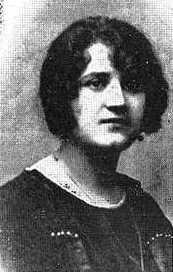 Notable personOlimpia Valencia López, the First Woman in Galicia to Graduate in MedicineBorn in Baltar in 1898, Olimpia Valencia was the first Galician woman to graduate in Medicine (1925) and in 1928 opened a general medicine…
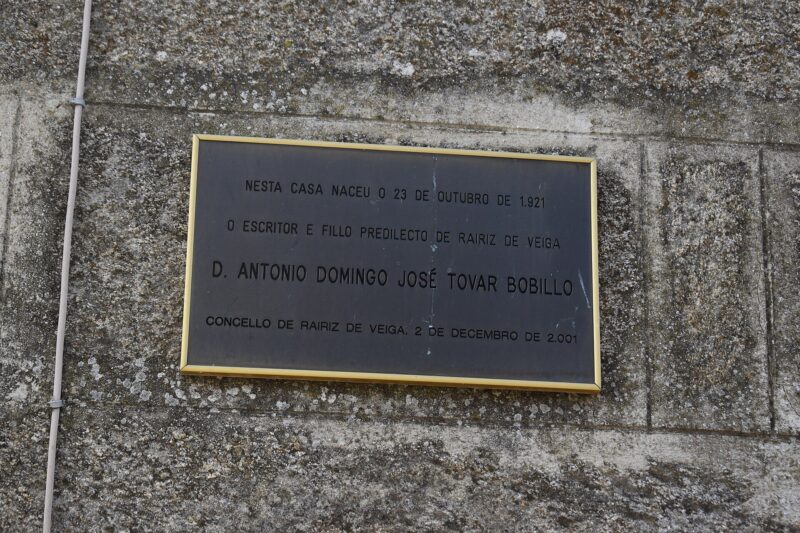 Notable personAntón Tovar, the Poet of A Pereira (Rairiz de Veiga)Antón Tovar Bobillo (A Pereira, Rairiz de Veiga, 1921 – Ourense, 2004) was an existentialist poet in Galician and Spanish, honorary member…
 Notable personCarlos Casares, the Writer Who Grew Up in Xinzo de LimiaCarlos Casares (Ourense, 1941 – Vigo, 2002) spent his childhood in Xinzo de Limia, between Lamas and Sabucedo; he was a novelist, RAG…
 Notable personAlfredo Nan de Allariz, Poet and Playwright from Xinzo in HavanaAlfredo Fernández, «Nan de Allariz», was born in Xinzo de Limia (1874 or 1875) and died in Madrid in 1927; poet, playwright and composer,…
 Notable personCástor Méndez Brandón, Baritone and Folk-Song Poet Born in XinzoCástor Méndez Brandón (Xinzo de Limia, 1864 – Celanova, 1920) was a lawyer, baritone at the Teatro Real in Madrid, poet and mayor of…
 People of A LimiaFamous People and Sportspeople of A LimiaDirectory of well-known Limians by occupation: sportspeople, actors, musicians, advertising people, models, bishops, writers, researchers…
