

Otero Pedrayo and A Limia: the Lagoa de Antela through His Eyes
A Limia and the Lagoa de Antela in the work and vision of Ramón Otero Pedrayo, and the tribute the area paid him in September 2026, in the Otero Pedrayo Year, with the Museo da Limia and the Lagoa de Antela Interpretation Centre.
Ramón Otero Pedrayo (Ourense, 5 March 1888 – Ourense, 10 April 1976), the Patriarch of Galician Letters, made A Limia one of his sources of inspiration as a writer, geographer and intellectual [1]. His vision joined landscape description, ethnographic knowledge and literature, and the Lagoa de Antela, now drained, has a place of its own in that imagination.
The 2026 tribute
In September 2026, the year that marked fifty years since his death (the Año Oteriano, or Otero Pedrayo Year), the area joined in the commemorations with two complementary sessions under the title «A Limia e a Lagoa de Antela no imaxinario literario e paisaxístico de don Ramón Otero Pedrayo» (A Limia and the Lagoa de Antela in the literary and landscape imagination of don Ramón Otero Pedrayo) [1][2].
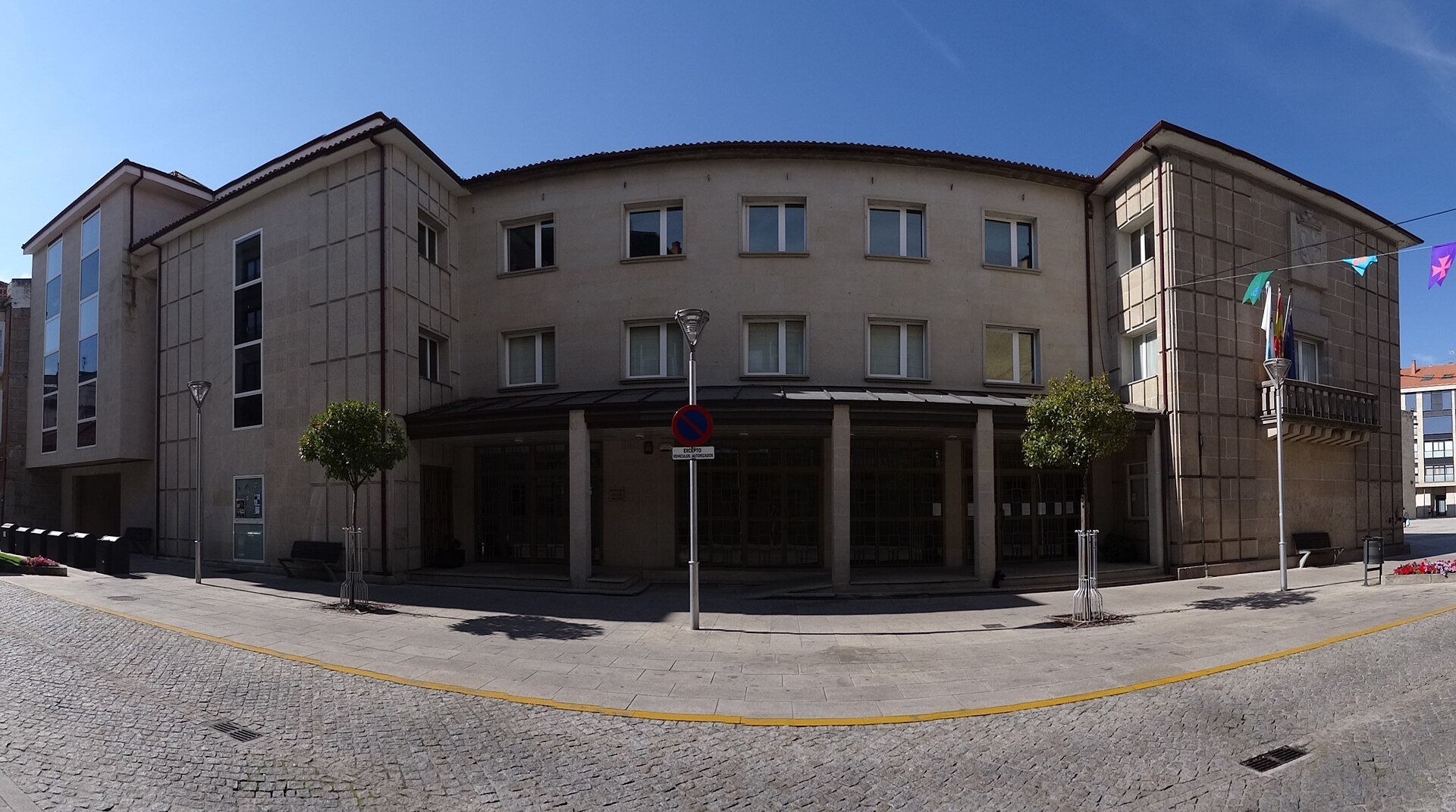
At the Museo Etnográfico da Limia (Vilar de Santos): the literary view. After an introduction by Delfín Caseiro, president of the Board of the Museo da Limia, the speakers were [1][2]:
- Paco López-Barxas, writer and critic, who presented the book Ramón Otero Pedrayo, arredor de si.
- Patricia Arias Chachero, teacher and secretary of the Otero Pedrayo Foundation, on the links between don Ramón and A Limia.
- Xosé Carlos Sierra Rodríguez, former director of the Ribadavia Ethnographic Museum, on Otero Pedrayo’s ethnographic view.
At the Lagoa de Antela Interpretation Centre (Sandiás): geography and landscape [1][2]:
- Augusto Pérez Alberti, professor of Geography at the University of Santiago de Compostela, with «Otero Pedrayo e a paisaxe».
- Xosé Benito Reza, writer and popularizer, former head of Natural Environment in Ourense and director general of Nature Conservation at the Xunta, who analysed the text «A memoria recuperada», recalled the project to rehabilitate the sand pits of A Limia and read an imaginary text of two Roman soldiers travelling along the Via Nova XVIII, from Bracara Augusta, through Limian territory and Sandiás.
- Xosé Eduardo López Pereira, president of the Otero Pedrayo Foundation, with a biography of don Ramón, and María José Bravo Bosch, who presented her documentary Ramón Otero Pedrayo, dereito á paisaxe.
More than thirty people attended in Vilar de Santos and nearly seventy in Sandiás, and the Furgoteca Ourense Occidental brought a selection of Otero Pedrayo’s works to Sandiás [2].
Links
Sources
- «A Limia e a Lagoa de Antela no imaxinario literario e paisaxístico de don Ramón Otero Pedrayo», Vía Lethes. https://vialethes.es/limia-lagoa-antela-imaxinario-literario-paisaxistico-don-ramon-otero-pedrayo
- «A Limia rendeu homenaxe a don Ramón Otero Pedrayo no Ano Oteriano 2026», Vía Lethes. https://vialethes.es/limia-rendeu-homenaxe-don-ramon-otero-pedrayo-ano-oteriano-2026
You may also like
 Notable personOlimpia Valencia López, the First Woman in Galicia to Graduate in MedicineBorn in Baltar in 1898, Olimpia Valencia was the first Galician woman to graduate in Medicine (1925) and in 1928 opened a general medicine…
 People of A LimiaHistorical Figures of A Limia: A TimelineTimeline of historical figures linked to A Limia, from Roman times to the 20th century: Limicians of Rome, Hidatius, counts, medieval…
People of A LimiaPoliticians and Public Officials of A LimiaDirectory of people from A Limia who held public office: Restoration-era deputies for the Xinzo district, Galician parliamentarians,…
 Notable personInés de Castro, the Queen Tradition Says Was Born in A LimiaInés de Castro (c. 1320 – Coimbra, 1355), natural daughter of a Galician nobleman, loved Prince Pedro of Portugal, was executed on Afonso…
 Notable personMartín de Ginzo, the Minstrel of Xinzo de Limia Who Sang the PilgrimageMartín de Ginzo was a 13th-century Galician minstrel, born in Xinzo de Limia, of whom eight cantigas de amigo survive, seven of them…
Notable personMarcus Flavius Sabinus, the Limician Who Became a Priest of the Imperial CultMarcus Flavius Sabinus, of the Civitas Limicorum, was duumvir of his city and provincial flamen of Hispania Citerior in the 2nd century; he…
