


Museo Etnográfico da Limia, in the former rectory of Vilar de Santos
The Museo Etnográfico da Limia in Vilar de Santos began in 1992 in the one-room school, has occupied the 18th-century rectory since 1996 and keeps the memory of the limiaos, of flax and of the Arracada de Vilar de Santos.
The Museo Etnográfico da Limia, in Vilar de Santos, is the region’s great museum of traditional life. It opened in 1992 in the former one-room school (Escola Unitaria) of Vilar de Santos, with ethnographic objects that a group of teachers and pupils from the Instituto de Xinzo de Limia had gathered from villages across the region [1].
From school to rectory
The Concello de Vilar de Santos later obtained the transfer of the parish rectory in order to restore it and devote it to preserving the memory of the limiaos. The building dates from the 18th century and belonged to the Order of Santiago as a pilgrims’ hospital; the restoration respected and made use of the original building elements (the timber, the stone, the hearth and the patio). In 1996, once the restoration and the new exhibition in thematic rooms on traditional life in A Limia were finished, the museum reopened [1]. The Concello de Vilar de Santos and the Padroado do Museo (the association that runs it) have carried on its activity ever since; the museum celebrated its 20th anniversary in 2016 on the site of the former rectory [2].
A museum made by its neighbours
All the pieces arrived as donations from the people of the region themselves. On visits, former craftsmen and farmers act as guides, and it was women who brought the flax textile tradition back to life: they run the workshops and the business initiatives that grew up around it [1].
The Arracada de Vilar de Santos
The museum commemorates the Arracada de Vilar de Santos, one of the most important Castro-culture jewels in Galicia; it turned up by chance in a field (leira) at the place called Albariño while Benito Saburido was working it. At the time of the Roman conquest the owner of the jewel, perhaps an inhabitant of the Saa hill-fort, the seed of today’s Vilar de Santos, hid it intending to recover it once the danger had passed, and so it lay forgotten until today [1].
Visiting and activities
In 2017 the museum opened on Saturdays and Sundays from 11:00 to 13:30 and from 16:00 to 18:30 (spring–summer), and weekday guided visits were arranged with the museum [2]. Opening hours change: it is best to check the museum’s website. The museum also organises the Conversas na Taberna, the Certame Literario Antón Tovar and the «Pedra Alta» prize, and houses the Biblioteca da Limia, inaugurated during the month of Galician Letters; see Antón Tovar and Edelmiro Martínez Cerredelo.
Links
- Museos e centros de interpretación
- Vilar de Santos (parroquia)
- Vilar de Santos
- Edelmiro Martínez Cerredelo, Premio Pedra Alta 2024
- A pataca da Limia
Sources
- «Historia do Museo», Museo da Limia. https://museodalimia.com/historia-do-museo/
- «Novos horarios no Museo da Limia», 11/04/2017. https://museodalimia.com/novos-horarios-museo-da-limia/
© OpenStreetMap contributors
You may also like
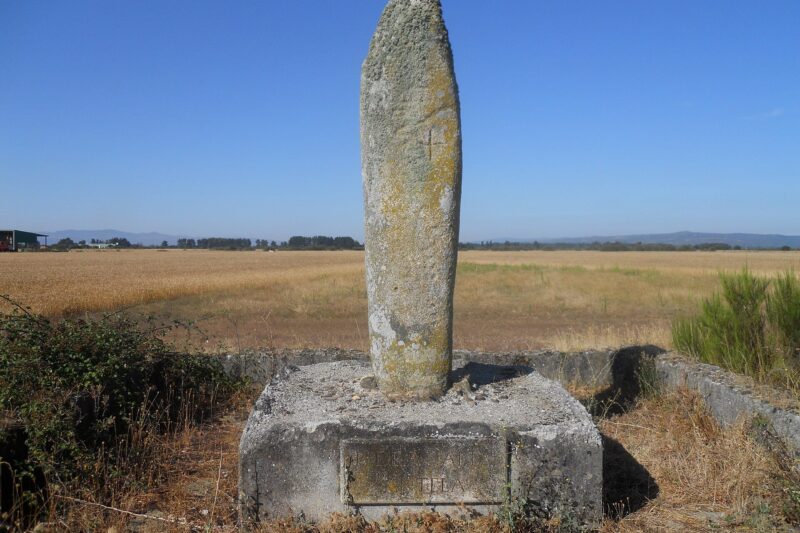 HeritageA Pedra Alta or Pedra Grande de Antela: the menhir of the LagoaThe Pedra Alta is a 3.47 m granite menhir in the heart of the former Antela lagoon, a boundary marker between Xunqueira de Ambía, Sarreaus…
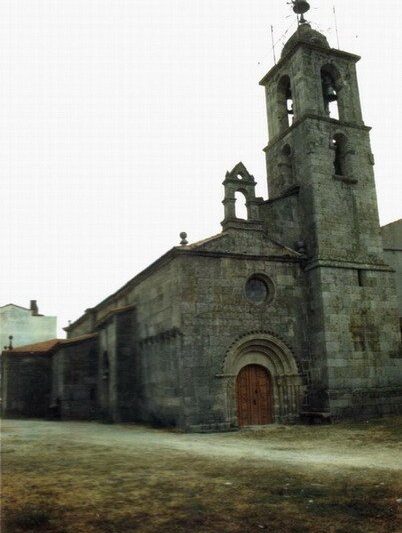 Heritage of A Limia: towers, convents, mills and ethnographic villagesA tour of the historic heritage of the municipality of Xinzo de LimiaA summary of the historic heritage of Xinzo de Limia: the Romanesque old church, the churches of Novás and Morgade, Torre da Pena, the Bon…
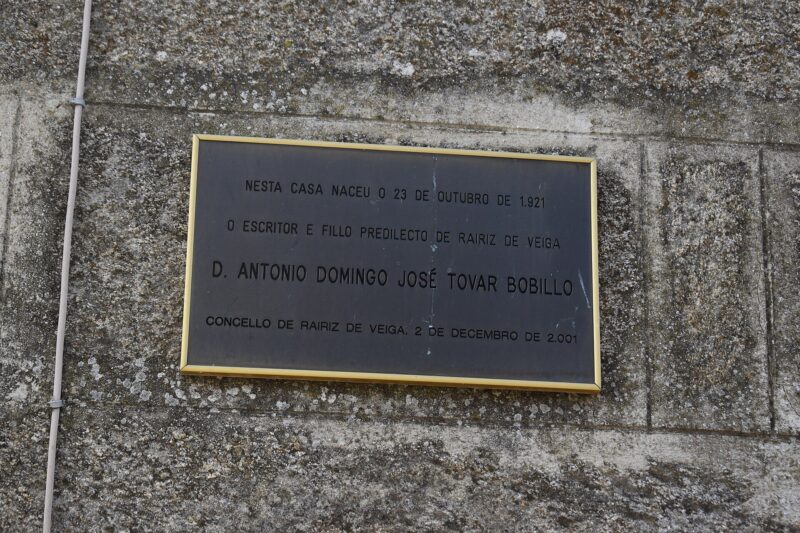 Antón Tovar Literary Competition of the Museo da LimiaSince 2024 the Board of the Museo da Limia has called the Antón Tovar Literary Competition to honour the poet of A Pereira and to demand…
Churches and chapels of the parishes of Xinzo de LimiaIndex of the parish churches and chapels recorded in each of the 20 parishes of Xinzo de Limia, with their dedication, according to…
 Convento do Bon Xesús da Limia (Trandeiras): the BIC fileThe Convento do Bon Xesús da Limia, in Trandeiras (Xinzo de Limia), was built in the early 16th century; the Xunta has opened the procedure…
 Cruceiros and petos de ánimas of A LimiaInventory of the 158 calvary crosses, crosses, calvaries and petos de ánimas of A Limia by municipality and parish, according to Galicia…
