


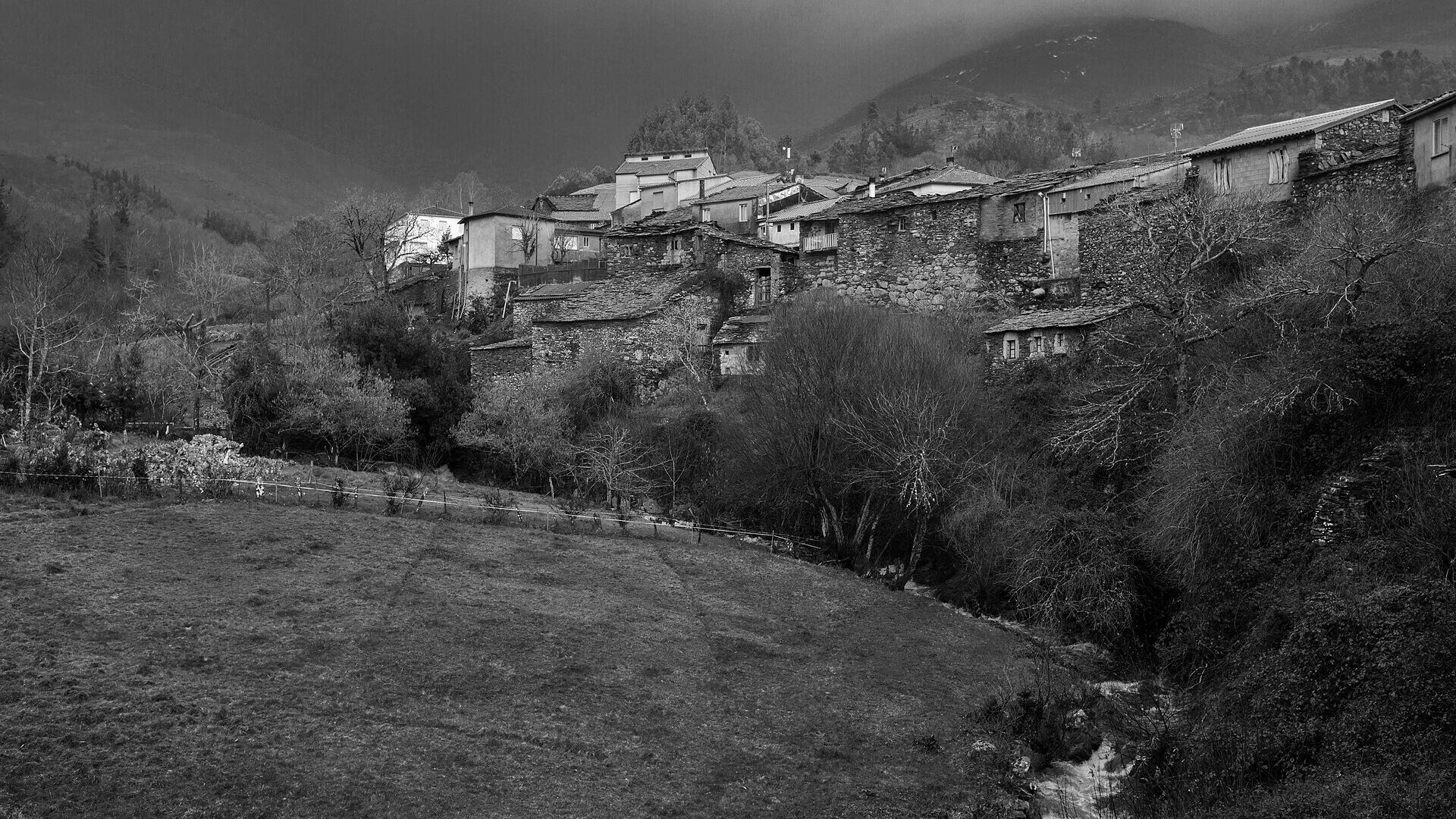
Women victims of repression in A Limia (1936–1950)
Women of A Limia murdered, imprisoned, purged or prosecuted for supporting the Republic or the guerrilla between 1936 and 1950: Delfina Lamas, María del Valle, Salud Torres, purged teachers and women who sheltered fugitives.
- Period
- 1936–1950
- Prisons
- Xinzo de Limia, Sandiás (confiscated house) and Ourense
- Sources
- military files, teaching-profession purges and testimonies
- People named
- only those who appear in a published source
According to Edelmiro Martínez Cerredelo, women linked to political activity and, above all, to the anti-Francoist guerrilla are "the great forgotten ones" of historical memory. Many women of A Limia committed to Republican legality were arrested, tortured and held in Xinzo jail, in the one set up in the house confiscated from the Dios Fernández family in Sandiás or in Ourense provincial prison; some spent months imprisoned without trial or sentence. In many cases they were also socially stigmatised, as bandits or, unjustly, for their links with fugitives [2]. This page gathers only the cases that appear by name in published sources.
The murdered
- Delfina Lamas Clemente, a neighbour of As Pegas (Sandiás), mother of three children: on 15 October 1937 a woman of about forty-five appeared on the Furriolo hill (Rairiz de Veiga), murdered during the night of the 13th to 14th with the so-called "Calvo Sotelo shot", registered as unknown. Cerredelo identifies her, through inquiries and family testimonies, as Delfina, arrested after criticising her son’s mobilisation and taken to Xinzo jail. The author also records another oral version with different details, which he cannot confirm [1].
- María del Valle Lozano and Salud Torres Díaz, a UGT delegate, were murdered on 29 October 1937 and their bodies were found at the Lomba de Lamas, in Mosteiro de Ribeira (Xinzo de Limia). María was the mother of the poet Manuel Gómez del Valle and had been arrested for asking for her son’s sentence to be commuted [3][4]. See The repression of 1936 in A Limia.
Purged teachers
The purge of the teaching profession opened files on women teachers of the comarca for reasons such as voting for the Popular Front, not attending religious services or having left-wing relatives [2]:
- Flora Villar Pérez, teacher of Gudes, accused of handing out Popular Front ballots and of having her parents in prison; the commission proposed confirming her in post on 25 June 1938.
- María Fernández Salgado, teacher of Tosende (Baltar), sanctioned with transfer in 1941, disqualification in 1942 and definitive dismissal in 1943; the sanctions were set aside on 6 November 1950, with reinstatement and transfer within the province. The investigator questioned the parish priest’s reports because of prior enmity.
- Consuelo Colmenero Álvarez, teacher of Sabucedo, accused of voting for the Popular Front and of teaching inefficiency; confirmed in post on 9 March 1940, with a forced-retirement file.
- Elena Serrano Quintas, teacher of Rairiz de Veiga, suspended from employment and salary for three months and confirmed in post in 1943.
Prosecuted for helping fugitives
- Elena Ferreiro Seguín, of Sandiás: military case 597/1942 for aiding rebellion, for living clandestinely with a fugitive; the ordinary court martial sentenced her on 30 December 1943 to one year’s minor prison as an accessory, and the Political Responsibilities Tribunal declared her exempt on 25 January 1944 [2].
- Esperanza Casas Losada (Pidre), acquitted, and Anxelina López Feijóo (A Gorgoloza), not convicted, were accused of giving food and lodging to guerrillas [2].
- Albina Rivero Rodríguez and Victoria Fernández Cerviño, neighbours of Paradela, were arrested in 1939 and released on 3 September; the auditor found no criminal liability but proposed administrative sanctions [2].
- Carmen Fernández Seguín, of Sandiás, mother of the guerrilla Perfecto Dios, was arrested on 16 May 1950 at Chaherrero (Ávila), at the moment of her son’s death; in Ourense she was tried for belonging to armed bands and sentenced to thirty years’ major prison in October 1950, although the prosecutor had asked for the death penalty [2][5].
Links
- History of A Limia
- Historical memory of A Limia, 1931–1953
- The anti-Francoist guerrilla in A Limia
- Women workers and pioneers of Xinzo
Sources
- Edelmiro Martínez Cerredelo, «Mulleres represaliadas da Limia. Delfina Lamas Clemente das Pegas (Sandiás)», Historia de Xinzo, 12-02-2020. https://historiadexinzo.wordpress.com/2020/02/12/mulleres-represaliadas-da-limia-delfina-lamas-clemente-das-pegas-sandias/
- Edelmiro Martínez Cerredelo, «Memoria histórica doutras mulleres represaliadas da Limia (1936-1950)», Historia de Xinzo, 05-07-2021 (cita expedientes do Arquivo Militar e da Comisión Depuradora do Maxisterio). https://historiadexinzo.wordpress.com/2021/07/05/memoria-historica-doutras-mulleres-represaliadas-da-limia-1936-1950/
- «Las mártires de Xinzo de Limia, asesinadas por los franquistas en 1937», Vía Lethes. https://vialethes.es/martires-xinzo-limia-1937
- «María del Valle», Galipedia (CC BY-SA 4.0). https://gl.wikipedia.org/wiki/María_del_Valle
- Edelmiro Martínez Cerredelo, «A morte do guerrilleiro Perfecto Dios en Chaherrero (Ávila) e nova fuga de Xoán Sorga», Historia de Xinzo, 17-07-2014. https://historiadexinzo.wordpress.com/2014/07/17/a-morte-do-guerrilleiro-perfecto-dios-en-chaherrero-avila-e-nova-fuga-de-xoan-sorga/
You may also like
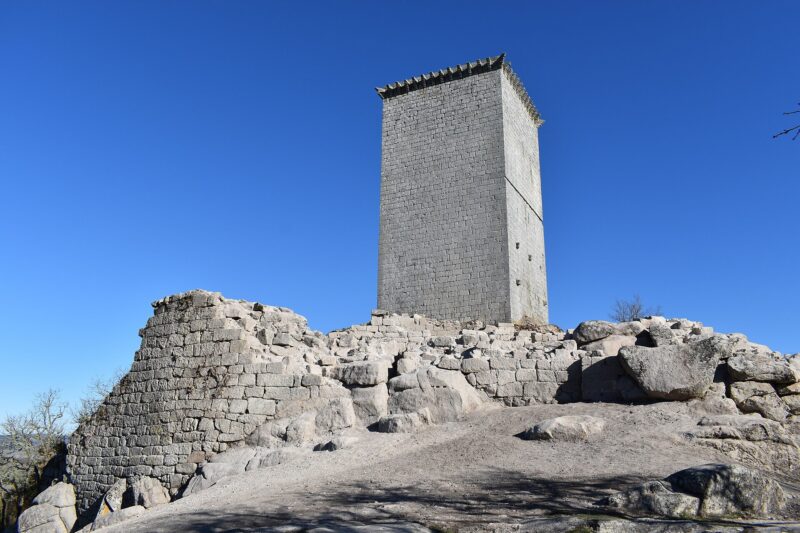 History of A LimiaPrehistory and castros of A LimiaFrom the Pedra Alta de Antela to the castro of Bóveda: megaliths, the Roufeiro weapons, the Outeiro de Baltar and the gold earring of Vilar…
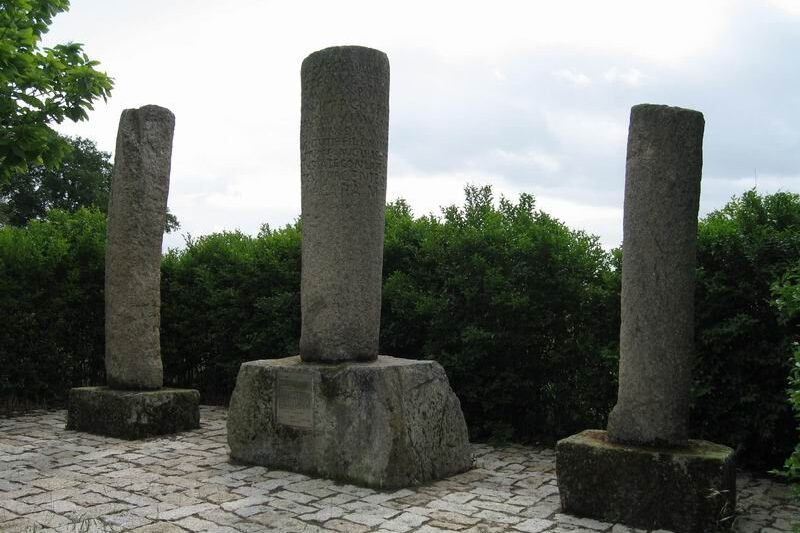 History of A LimiaThe Limici in Roman inscriptions: Celer’s gladiatorial tessera and Corellius LimicusTwo epigraphic pieces outside A Limia that mention a "Limicus": the bronze gladiatorial tessera from Niebla (Huelva), of the 1st century,…
History of A LimiaThe Limici and Romanisation: Civitas, Forum Limicorum and Via NovaWhat is known of the Limici and Roman Limia: the Civitas Limicorum, the debate over where the Forum Limicorum stood (A Cidá of Nocelo da…
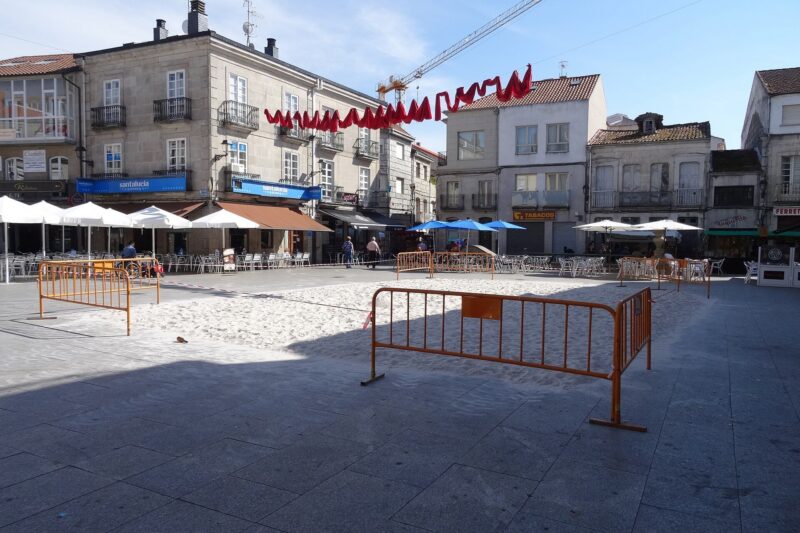 History of A LimiaThe Praza Maior, the Ladeira and the Toural: history of Xinzo’s central placesHistory of the Praza Maior (fairs since the 16th century, the 1907 Espolón, the fountain), the Ladeira and the Toural (the lagoon, the…
History of A LimiaLight, chocolate, fizzy drinks and roads: the industrial and service Xinzo of the 20th centuryHow electricity (1911), the printing press, chocolate and soda factories, the Rubio Cold-Storage Slaughterhouse and buses to Ourense and…
 History of A LimiaCinemas, café, radio, school and library: Xinzo’s cultural life from 1948 to the 1970sThe cinemas Los Molinos (1948) and Antelano (1954), the Café Ideal and the Ideal 6 disco, the 1950 radio, the Colegio Santa Marina, the…
