


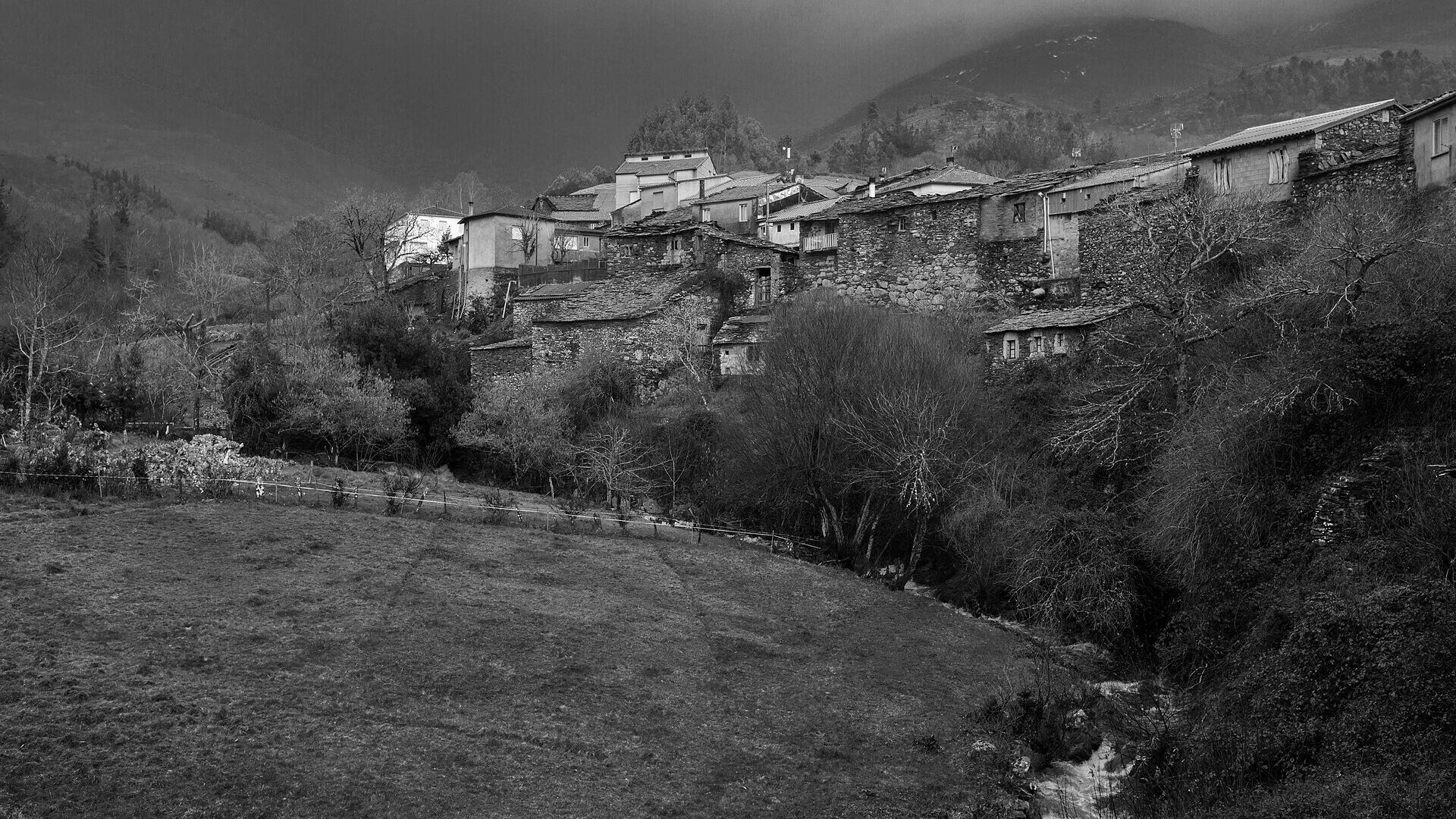
Historical memory of A Limia, 1931–1953: Republic, repression and guerrilla
Guide to the historical memory of A Limia between the Republic and the guerrilla: the 1936 coup, repression, women victims, the Causa General, the maquis and present-day tributes, with links to profiles of people and places.
This is the gateway to the set of pages on the historical memory of A Limia, the period from the proclamation of the Republic in 1931 to the end of the anti-Francoist guerrilla around 1950–1953. The fullest source is the book A Limia: 1931–1953. Historia e memoria, by Edelmiro Martínez Cerredelo (2008), and the entries of his blog Historia de Xinzo; to them are added the Galipedia, the Vía Lethes archive, the Museo da Limia and the work of the Comité pola Memória Histórica do Val do Límia. We follow an editorial rule: only people who appear in published sources are named, and each fact carries its reference.
Where to start
- From the Republic to the coup: Xinzo 1931–1936: the proclamation of the Republic, 1 May 1936, the conspiracy and the days of the coup.
- The repression of 1936 in A Limia: the August "paseos", the documented victims and the martyrs of Xinzo (1937).
- Women victims of repression in A Limia: murdered, imprisoned, purged and prosecuted.
- The Alto do Furriolo: the place of memory on the Celanova road.
- The anti-Francoist guerrilla in A Limia: from the Estivadas (1946) to the death of Perfecto Dios (1950).
- Limia people who fled to Portugal: teachers, trade unionists and farmers who crossed the border.
Postwar: victory and the Causa General
On 1 April 1939 Franco signed the last war communiqué, but Cerredelo recalls that the war "had not ended" for the left: what followed was a detailed purge of anyone who had been Republican or "disaffected" [2]. A chronicle of the time records how that month the concello of Sarreaus held a demonstration with the participation of schools and teachers who sang Movimiento anthems [2]. The Causa General, opened by decree of 26 April 1940, investigated the deeds of the "red domination" and served to legitimise the repression, until the decree-law of 31 March 1969 recognised the prescription of liabilities for acts before 1 April 1939 [3].
Memory today
Tribute events are frequent: at the Furriolo there has been a mural since 2006 [6]; on 14 September 2019 the Comité pola Memória Histórica do Val do Límia unveiled a monolith at the Fonteboa bend (between Xordos and Nigueiroá) in memory of the first anti-fascists murdered in the comarca, on 29 and 30 July 1936, and the names of the twenty-five executed in the Val do Límia for whom documentation exists were read [4]. In January 2026 the Museo da Limia added to its library the publications of the historian Carlos Morais on Francoist repression and resistance in the Val da Limia [5].
People
Profiles with a published source: Benito Valencia Bouza, Francisco Sierra Rodríguez, Cándido Fernández García, Cándido Gándara González, Manuel Gómez del Valle, María del Valle Lozano, Antonio Gelpi Asorey, Perfecto de Dios Fernández, Camilo de Dios Fernández, Manuel Gómez Portela, Casimiro Salgado Castro, Augusto Peláez Quelle, Benito Feijoo Seguín, Demófilo Pedreira Rumbo, Francisco Cortés Martínez, Magín Pérez López, Narciso Pascual Pascual and José Antonio Nieto Luis.
Frequently asked questions
How many people were killed in A Limia? There is no definitive figure; the Comité pola Memória Histórica do Val do Límia speaks of 25 executed with documentary evidence in the Val do Límia [4], and Cerredelo warns that civil registers do not record every case [1].
Where can the subject be studied? In the Library of the Museo da Limia (works by Carlos Morais) and in the books and blog of Edelmiro Martínez Cerredelo [5].
Why are there so many citations of one author? Because Cerredelo is the one who has documented local archives most; we always note when another source differs (for example on the dates of some deaths).
Links
Sources
- Edelmiro Martínez Cerredelo, «A Limia: Preparando o golpe de estado militar de 1936», Historia de Xinzo, 04-07-2018. https://historiadexinzo.wordpress.com/2018/07/04/a-limiapreparando-o-golpe-de-estado-militar-de-1936/
- Edelmiro Martínez Cerredelo, «Historia e memoria. 1º de abril de 1939. Ano da Vitoria», Historia de Xinzo, 01-04-2014. https://historiadexinzo.wordpress.com/2014/04/01/historia-e-memoria-1o-de-abril-de-1939-ano-da-vitoria/
- Edelmiro Martínez Cerredelo, «Causa Xeral da Guerra Civil, decreto do 26 de abril de 1940», Historia de Xinzo, 11-10-2024. https://historiadexinzo.wordpress.com/2024/10/11/causa-xeral-da-guera-civil-decreto-do-26-de-abril-de-1940/
- Museo Etnográfico da Limia, «O Comité pola Memória Histórica do Val do Límia honrou as vítimas do Fascismo», 18-09-2019. https://museodalimia.com/o-comite-pola-memoria-historica-do-val-do-limia-honrou-as-vitimas-do-fascismo
- Museo Etnográfico da Limia, «Incorporación de Carlos Morais á Biblioteca da Limia…», 10-01-2026 (cita a Badal Novas, 08-01-2026). https://museodalimia.com/incorporacion-de-carlos-morais-a-biblioteca-da-limia-a-represion-franquista-e-a-resistencia-organizada-no-val-do-limia
- «Alto do Furriolo», Galipedia (CC BY-SA 4.0). https://gl.wikipedia.org/wiki/Alto_do_Furriolo
You may also like
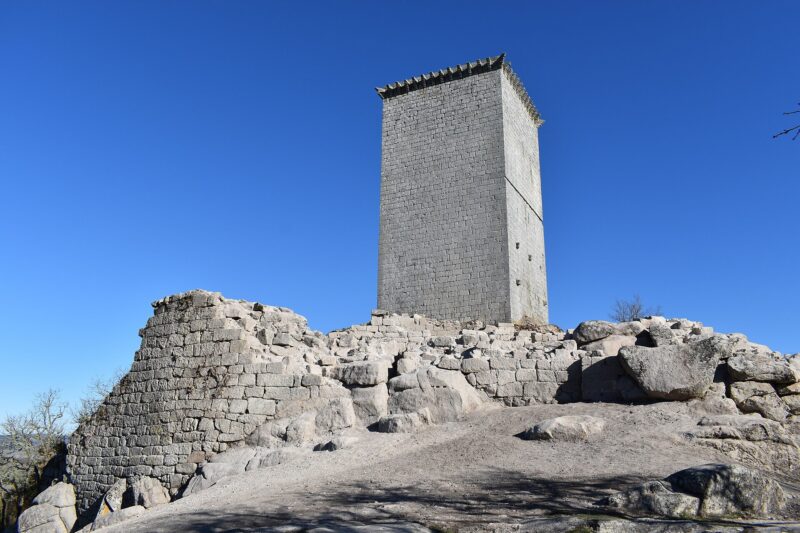 History of A LimiaPrehistory and castros of A LimiaFrom the Pedra Alta de Antela to the castro of Bóveda: megaliths, the Roufeiro weapons, the Outeiro de Baltar and the gold earring of Vilar…
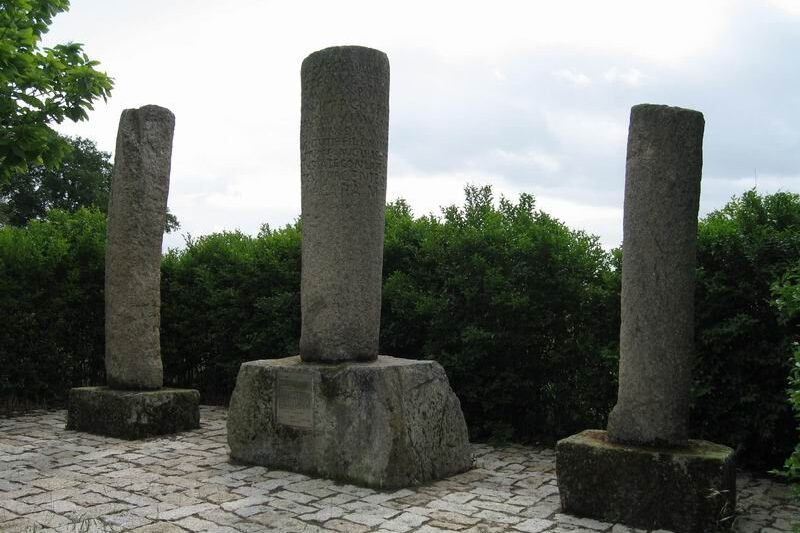 History of A LimiaThe Limici in Roman inscriptions: Celer’s gladiatorial tessera and Corellius LimicusTwo epigraphic pieces outside A Limia that mention a "Limicus": the bronze gladiatorial tessera from Niebla (Huelva), of the 1st century,…
History of A LimiaThe Limici and Romanisation: Civitas, Forum Limicorum and Via NovaWhat is known of the Limici and Roman Limia: the Civitas Limicorum, the debate over where the Forum Limicorum stood (A Cidá of Nocelo da…
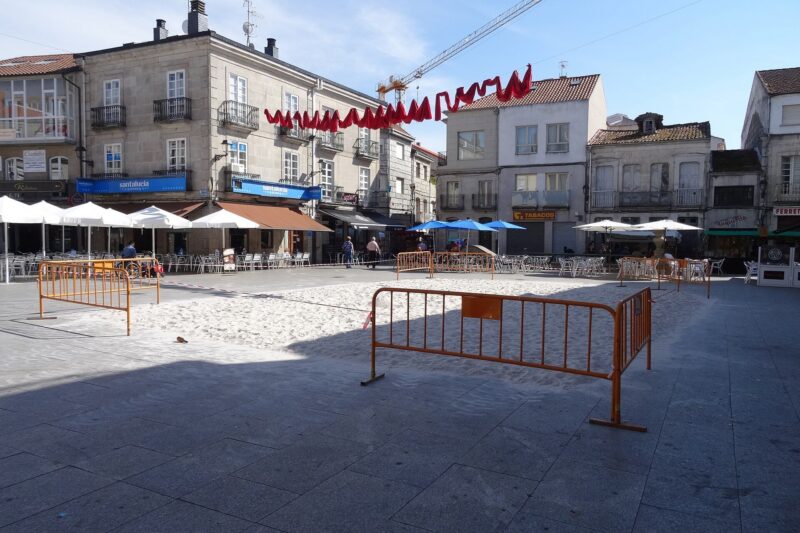 History of A LimiaThe Praza Maior, the Ladeira and the Toural: history of Xinzo’s central placesHistory of the Praza Maior (fairs since the 16th century, the 1907 Espolón, the fountain), the Ladeira and the Toural (the lagoon, the…
History of A LimiaLight, chocolate, fizzy drinks and roads: the industrial and service Xinzo of the 20th centuryHow electricity (1911), the printing press, chocolate and soda factories, the Rubio Cold-Storage Slaughterhouse and buses to Ourense and…
 History of A LimiaCinemas, café, radio, school and library: Xinzo’s cultural life from 1948 to the 1970sThe cinemas Los Molinos (1948) and Antelano (1954), the Café Ideal and the Ideal 6 disco, the 1950 radio, the Colegio Santa Marina, the…
