

José Seguín, Baroque Sculptor of Rairiz de Veiga
José Seguín (Rairiz de Veiga, 17th century – 1751) was a Baroque master of architecture and sculpture who restored and carved altarpieces in Rairiz, Guillamil, Sabucedo and Azureiros.
José Seguín was born in Rairiz de Veiga in the 17th century and died in the same town on 20 October 1751. He was a sculptor and master of Baroque altarpieces, and styled himself «maestro de arquitectura y escultura», that is, a master in carving and sculpting altarpieces and statues [1].
Life
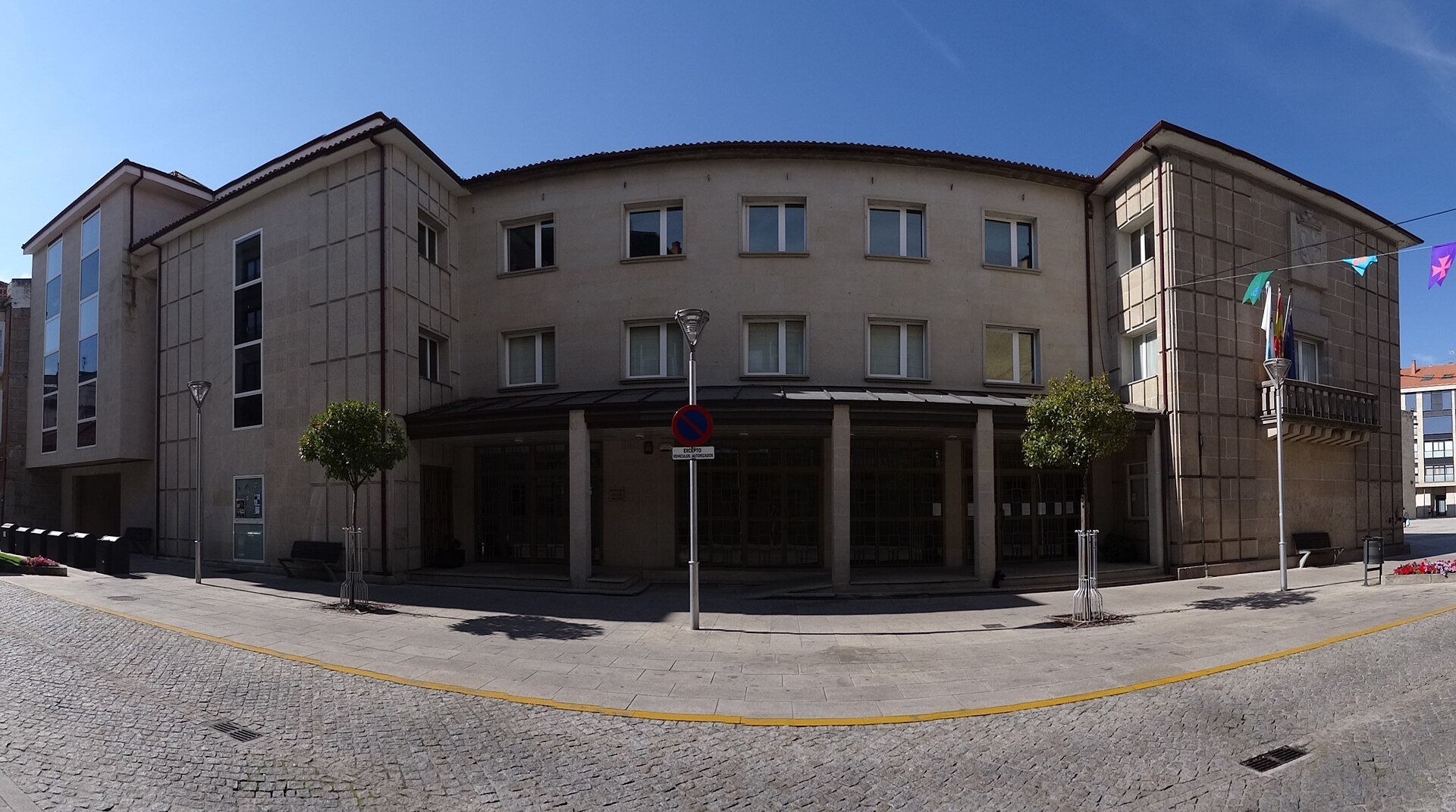
He married Juana Muñoz and apparently had seven children (two boys and five girls, most of whom died in childhood). He was buried in the choir of the parish church of Rairiz de Veiga; his wife died on 18 September 1785 [1]. The house where he had his workshop still stands in the town, in the centre, beside the main road. In the 18th century his heirs sold the house to the local constable, Juan Mateo de Novoa [1]. In 1716 he appears in the fabric books of his parish as collector of first-fruits [1].
Style and training
Seguín is a Baroque and eclectic artist. As a restorer he broadly respects the important elements of old altarpieces; as a carver of images he copies the statues by Francisco de Moure that he saw on the high altarpiece of his parish. Yet he was abreast of fashion: in 1747 he used the estípite (inverted pilaster) on the Azureiros altarpiece [1]. His apprenticeship cannot be stated, but it is quite possible that he trained in Celanova, connected with the sculptor Francisco de Castro Canseco (died 1724) and the workshop that continued in the province of Ourense until the 19th century; all his work around Rairiz was painted by Tomás González, of Celanova [1].
Documented works
- 1723. Two side altarpieces, with images of St Francis, St Lawrence and St Augustine, in the church of Rairiz de Veiga; they copied what Moure had made between 1610 and 1615. Today they appear joined to the high altarpiece [1].
- 1724. Side altarpieces of the parish of San Salvador de Sabucedo de Limia (Porqueira), which have not survived [1].
- 1729. Restored the side altarpiece of the Holy Christ in Rairiz de Veiga, adding the relief of the Last Supper [1].
- 1730. Carved the image of Our Lady of the Rosary for the parish of Ouces (Betanzos, A Coruña) [1].
- 1736. Restored the high altarpiece of San Andrés de Guillamil (Rairiz de Veiga) and added images of St Andrew, St Francis Xavier, St Eulalia, St Catherine, St Augustine, St Benedict, Our Lady of Sorrows, St John and St Jerome [1].
- 1747. Altarpiece of Azureiros (Guillamil, Rairiz de Veiga). No further work of his is known after this [1].
Links
Sources
- José Hervella Vázquez, «Seguín, José», Diccionario Biográfico electrónico of the Real Academia de la Historia, reproduced in Historia de Xinzo, 05/03/2023. https://historiadexinzo.wordpress.com/2023/03/05/jose-seguin-rairiz-de-veiga-orense-s-xvii-20-x-1751-escultor/
You may also like
 Notable personOlimpia Valencia López, the First Woman in Galicia to Graduate in MedicineBorn in Baltar in 1898, Olimpia Valencia was the first Galician woman to graduate in Medicine (1925) and in 1928 opened a general medicine…
 People of A LimiaHistorical Figures of A Limia: A TimelineTimeline of historical figures linked to A Limia, from Roman times to the 20th century: Limicians of Rome, Hidatius, counts, medieval…
People of A LimiaPoliticians and Public Officials of A LimiaDirectory of people from A Limia who held public office: Restoration-era deputies for the Xinzo district, Galician parliamentarians,…
 Notable personInés de Castro, the Queen Tradition Says Was Born in A LimiaInés de Castro (c. 1320 – Coimbra, 1355), natural daughter of a Galician nobleman, loved Prince Pedro of Portugal, was executed on Afonso…
 Notable personMartín de Ginzo, the Minstrel of Xinzo de Limia Who Sang the PilgrimageMartín de Ginzo was a 13th-century Galician minstrel, born in Xinzo de Limia, of whom eight cantigas de amigo survive, seven of them…
Notable personMarcus Flavius Sabinus, the Limician Who Became a Priest of the Imperial CultMarcus Flavius Sabinus, of the Civitas Limicorum, was duumvir of his city and provincial flamen of Hispania Citerior in the 2nd century; he…
