


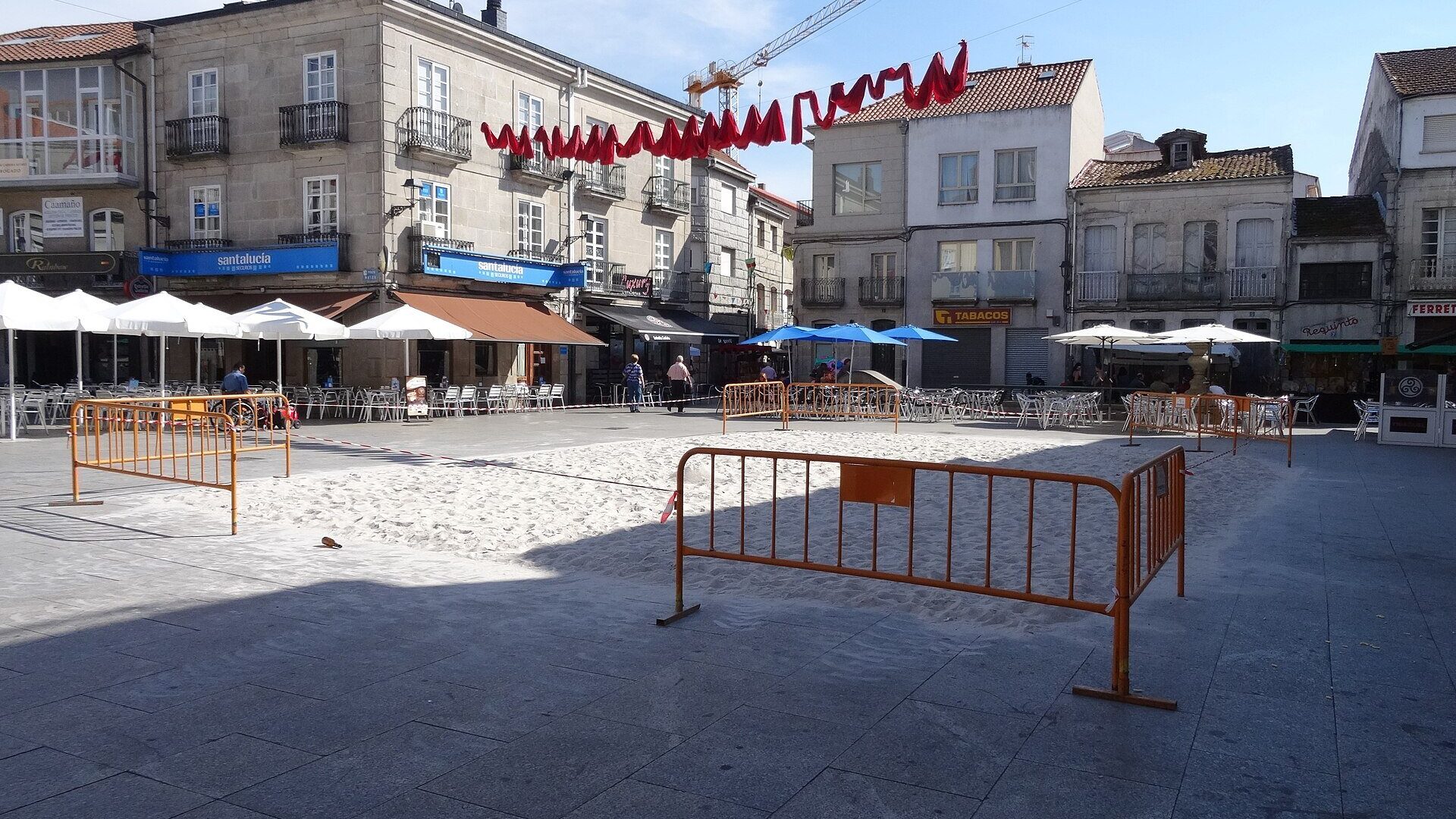
The town of Xinzo: street names, historic buildings and the 1856 plan
How Xinzo de Limia changed: the names of streets and squares, the fish square, the Ferrín house, the house of Dr Leopoldo Álvarez, the Santa Mariña union housing, the old jail and the 1856 plan.
The urban history of Xinzo de Limia can be followed through street names, buildings and plans. This page gathers data from several works by Edelmiro Martínez Cerredelo [1]–[7]. For the Praza Maior and its surroundings see Praza Maior, Ladeira and Toural.
The street map: street names
- Avenida de Ourense and Avenida de Madrid: on an 1856 plan it appears as "Road from Vigo to Castile"; on another of 1920 as "Villacastín to Vigo Road", later "Main Road". The Republican council gave it in 1935 the name Avenida del Progreso; during the civil war it was Avenida del Generalísimo Franco; with democracy it was split in two from the Praza Maior [1].
- Carmen Novoa street: it was the Camino do Mato or Rúa do Mato; the present name was given by the Concello in the early 21st century [1].
- Blanco Amor street: dedicated in 1960 to Manuel Villamarín Rodríguez, the first town resident killed in the civil war, and renamed in the new street map [1].
- The Ferrín house stood at the corner of Avenida de Madrid and Dous de Maio street, opened in the late 19th or early 20th century, after the main road N-525 was completed in 1865, replacing the Royal Road from Tui to Castile, which ran along the present Lepanto, Constitución and Galicia streets [3].
The author, Edelmiro Martínez Cerredelo, argues that streets should bear the names of intellectuals, artists, professionals, rivers or mountains, and not of politicians or clergy, and calls for recognition of the builder Modesto Montero Colmenero [1].
The fish square
The present Bispo Idacio de Limia square, called Plaza de la Libertad on the 1920 plan, was a dirt threshing floor known as the "plazoleta" or "fish square", because fish was sold there in the open air several days a week: it came by lorry from the Vigo fish market, in wooden boxes with ice and ferns, and was sold by fishwives such as Rosario, Filomena, Concha, Rapela, Encarnación and Aurora, the last ones from Allariz. With the garden’s reform in 1955, the sellers moved to the new church’s churchyard, then to the "egg square" (today Xoán XXIII) and finally to the municipal market on Dous de Maio street [2].
In the little square were the first petrol pump and, in 1953 or 1954, the first diesel pump in Xinzo, granted by CAMPSA to Edelmiro Martínez from 1951 to 1980; the two tanks are still buried in the garden. There was also a haberdashery, a butcher’s, a bar-churrería and a water fountain [2].
Historic buildings
- Ferrín house: shop of Francisco Salgado, the Ferrín, who in 1911 advertised in the newspaper El Eco Antelano ironmongery, haberdashery and groceries; he had the chocolate factory "La Selecta" (later Chocolates Berta). In 1933 the Granada-born José Prieto Puertas opened a pharmacy there, and today the Prieto Vivanco pharmacy, optician and orthopaedics still operates [3].
- House of Dr Leopoldo Álvarez (1859), on Lepanto street: the doctor, from Celanova, stood out during the 1918 flu; the Republican council dedicated to him the street formerly called Estrella, running from Avenida de Ourense to the church of Santa Mariña [4]. See The 1918 flu.
- Santa Mariña union housing: 50 dwellings of the Union Housing Plan, a 1955–56 programme, the "cheap houses", with running water from a well and modern bathrooms, something rare in Xinzo; they were allocated by category (area and rooms) with preference for ex-combatants and large families, and handed over in 1958 [5].
- Old jail: it belonged to the Xinzo judicial board and was remodelled in 1849, a job budgeted at 29,802 reals. Today it houses the bagpipe and percussion school of the Xinzo Bagpipe Band and the rehearsals of the Coro Aimil; on the upper floor the writer Antón Riveiro Coello lived as a newborn, because his father, a municipal guard, was in charge of the prisoners’ depot in the 1960s [6].
The 1856 plan
The 1856 map of the province of Ourense, by Francisco Coello, with notes by Pascual Madoz and town plans by Xosé Sáenz Díez, gives data on Xinzo: the concello had 4,678 households and the judicial district 22,848 souls; only 150 electors in the whole district of Bande; 34 incomplete elementary schools with 1,401 boys and 227 girls, only five qualified teachers and 29 without qualifications. The Xinzo fair was one of the most important in the province, with cattle, mules, horses and pigs, tools, cloth, cereals, salted meats, fish, cheese, ironwork and haberdashery. On the town plan, seven numbered buildings are marked [7].
Links
- History of A Limia
- Xinzo de Limia
- Praza Maior, Ladeira and Toural
- Xinzo: industry and services in the 20th century
Sources
- «O rueiro de Xinzo de Limia a través do tempo», Historia de Xinzo. https://historiadexinzo.wordpress.com/2016/07/13/o-rueiro-de-xinzo-de-limia-a-traves-do-tempo/
- «A plazoleta ou praza do peixe, hoxe praza do Bispo Idacio de Limia». https://historiadexinzo.wordpress.com/2018/08/28/a-plazoleta-ou-praza-do-peixe-hoxe-praza-do-bispo-idacio-de-limia/
- «Edificios con historia: a casa do Ferrín». https://historiadexinzo.wordpress.com/2016/06/01/edificios-con-historia-a-casa-do-ferrin/
- «Edificios con historia: a casa do médico Leopoldo Álvarez». https://historiadexinzo.wordpress.com/2016/02/24/edificios-con-historia-a-casa-do-medico-leopoldo-alvarez/
- «Grupo de vivendas sindicais Santa Marina». https://historiadexinzo.wordpress.com/2016/08/02/grupo-de-vivendas-sindicais-santa-marina/
- «Edificios con historia: a antiga cárcere de Xinzo». https://historiadexinzo.wordpress.com/2018/05/29/edificios-con-historia-a-antiga-carcere-de-xinzo/
- «Plano de Xinzo de Limia (1856) de Sáenz Díez». https://historiadexinzo.wordpress.com/2014/03/30/plano-de-xinzo-de-limia-1856-de-saenz-diez/
You may also like
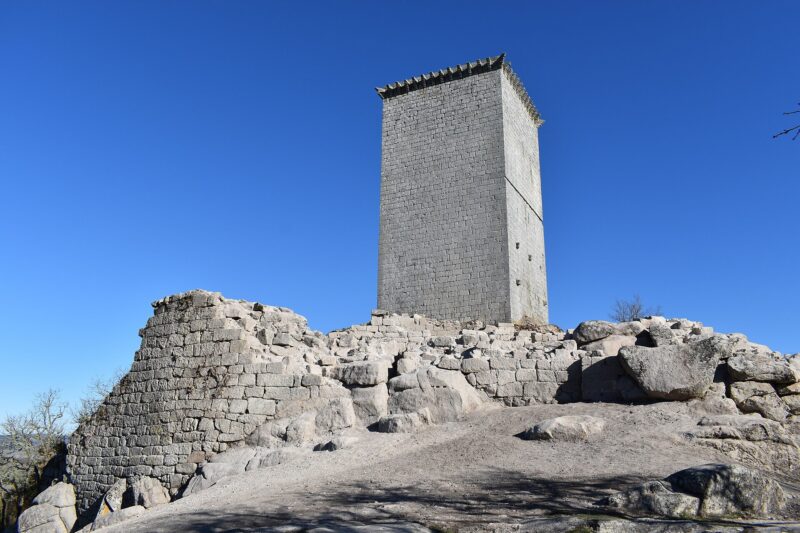 History of A LimiaPrehistory and castros of A LimiaFrom the Pedra Alta de Antela to the castro of Bóveda: megaliths, the Roufeiro weapons, the Outeiro de Baltar and the gold earring of Vilar…
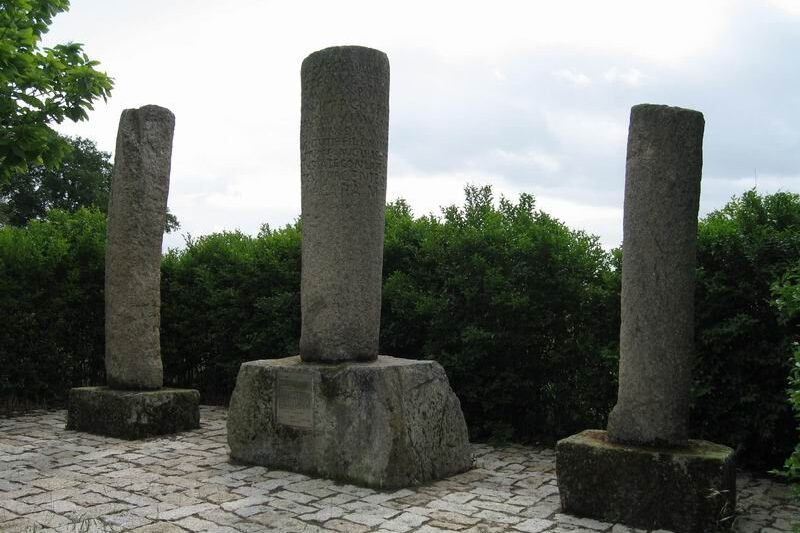 History of A LimiaThe Limici in Roman inscriptions: Celer’s gladiatorial tessera and Corellius LimicusTwo epigraphic pieces outside A Limia that mention a "Limicus": the bronze gladiatorial tessera from Niebla (Huelva), of the 1st century,…
History of A LimiaThe Limici and Romanisation: Civitas, Forum Limicorum and Via NovaWhat is known of the Limici and Roman Limia: the Civitas Limicorum, the debate over where the Forum Limicorum stood (A Cidá of Nocelo da…
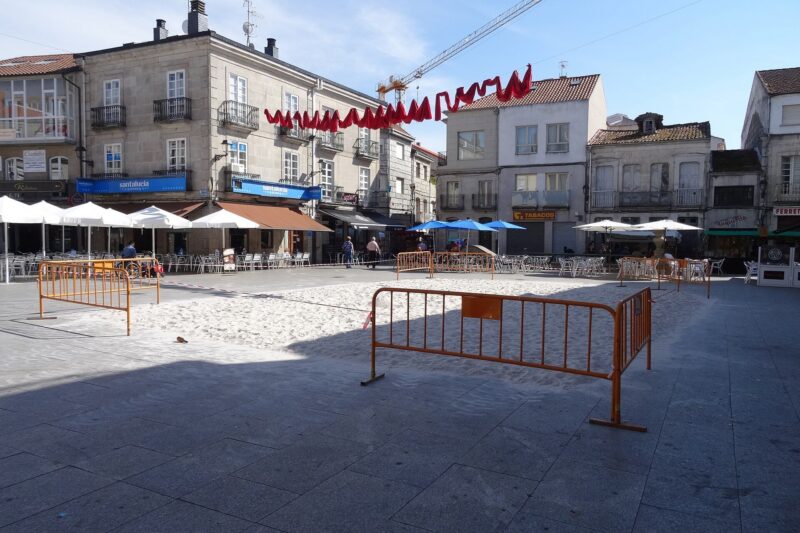 History of A LimiaThe Praza Maior, the Ladeira and the Toural: history of Xinzo’s central placesHistory of the Praza Maior (fairs since the 16th century, the 1907 Espolón, the fountain), the Ladeira and the Toural (the lagoon, the…
History of A LimiaLight, chocolate, fizzy drinks and roads: the industrial and service Xinzo of the 20th centuryHow electricity (1911), the printing press, chocolate and soda factories, the Rubio Cold-Storage Slaughterhouse and buses to Ourense and…
 History of A LimiaCinemas, café, radio, school and library: Xinzo’s cultural life from 1948 to the 1970sThe cinemas Los Molinos (1948) and Antelano (1954), the Café Ideal and the Ideal 6 disco, the 1950 radio, the Colegio Santa Marina, the…
