


The 20th century in A Limia: light, press, emigration, draining and war
Guide to the 20th century in A Limia: electric light in 1911, the local press, Antela F.C., emigration, the Civil War and guerrilla, the draining of Antela from 1958, the sand pits and Xinzo's cultural life.
- Electric light in Xinzo
- October 1911
- Local press
- six newspapers between 1911 and 1925
- Antela F.C.
- 1919
- Draining of Antela
- works from 1958
The 20th century was in A Limia the century of great transformations: electric light, the local press, the decline of the fairs, emigration, the Civil War, the draining of the Lagoa de Antela and, at the end, cultural recovery. This page sorts the themes and leads to each page that develops them.
1900–1925: light, newspapers and first clubs
According to Edelmiro Martínez Cerredelo, Xinzo’s lighting went from paraffin to the 1906 acetylene project and then to electric: the concello awarded the lease in 1909 to Camilo Conde and Francisco Conde-Valvís, and electric lighting was switched on in October 1911, with current from the Allariz power station [1]. That same year, on 24 December, the first issue of El Eco Antelano appeared, the first of the six local newspapers published between 1911 and 1925, and in 1919 Juventud and Antela F.C., the oldest club in the province of Ourense, were born [2][3]. See Xinzo: industry and services in the 20th century, Antela F.C. 1919 and Xinzo in 1905, according to Fialho de Almeida.
Administration and communications
The Galipedia records that the decree of 15 July 1836 created the concello of Moreiras, merged into Xinzo on 9 January 1927 [5]. The Villacastín–Vigo road and the status of judicial district seat gave the town comarcal weight: see The Villacastín-Vigo road and the judicial district.
Emigration
Emigration marked whole generations: America from 1920, Venezuela and Brazil, the Basque Country and Catalonia in the 1950s and Europe from the 1960s. See The emigrant Limia people, with individual stories such as that of José Ramón Pérez Cid [6].
1936–1953: Civil War, repression and guerrilla
The coup of July 1936 opened a period of repression and, later, of anti-Francoist guerrilla: see Historical memory of A Limia and the sections The repression of 1936, Women victims of repression and The anti-Francoist guerrilla. In 1943 the Entroido cost the mayor of Xinzo his post, according to Cerredelo (History of the Entroido).
Postwar, cinemas and cultural life
In the 1940s to 1970s the cinemas Los Molinos (1948) and Antelano (1954), the Café Ideal, the Biblioteca Antelana (1954) and the Santa Marina School opened. See Cultural life of Xinzo, 1948–1970, The regional country fairs (1964–1966) and Memories of the Xinzo of the past.
1958: the draining of the Lagoa de Antela
The draining works began at Ponte Liñares in September 1958; the improved area was 3,165 hectares and the investment up to 1964 was 92 million pesetas [4]. The workers of the National Colonisation Institute, the "laguneros", energised the town, but the lagoon disappeared and ten bird species stopped breeding in Galicia. See The draining of the Lagoa de Antela and Memory and testimonies.
From 1972: sand pits and recovery
From 1972 sand extraction opened in the area of the old lagoon; once abandoned, many pools regained life. See The Lagoa de Antela today.
Frequently asked questions
When did electric light reach Xinzo? In October 1911, with current from Allariz [1].
When was Antela F.C. born? It was founded in Xinzo in June 1919 [3].
Links
- History of A Limia
- The early modern period in A Limia
- Historical memory of A Limia
- Notable people of A Limia
Sources
- Edelmiro Martínez Cerredelo, «A chegada da electricidade a Xinzo de Limia (1911)», Historia de Xinzo, 29-04-2020. https://historiadexinzo.wordpress.com/2020/04/29/a-chegada-da-electricidade-a-xinzo-de-limia-1911/
- Edelmiro Martínez Cerredelo, «A prensa escrita en Xinzo de Limia. Século XX (1911-1925)», Historia de Xinzo, 27-05-2022. https://historiadexinzo.wordpress.com/2022/05/27/a-prensa-escrita-en-xinzo-de-limia-seculo-xx-1911-1925/
- Edelmiro Martínez Cerredelo, «Cen anos de historia do Antela F.C. (1919-2019)», Historia de Xinzo, 05-11-2018. https://historiadexinzo.wordpress.com/2018/11/05/cen-anos-de-historia-do-antela-f-c-1919-2019/
- Edelmiro Martínez Cerredelo, «Obras de desaugamento da lagoa de Antela (1958–1964)», Historia de Xinzo, 22-09-2016. https://historiadexinzo.wordpress.com/2016/09/22/obras-de-desaugamento-da-lagoa-de-antela-19581964-46-fotos/
- «Xinzo de Limia», Galipedia (CC BY-SA 4.0). https://gl.wikipedia.org/wiki/Xinzo_de_Limia
- Edelmiro Martínez Cerredelo, «Historias da emigración de limiaos ás Américas: José Ramón Pérez Cid», Historia de Xinzo, 21-11-2024. https://historiadexinzo.wordpress.com/2024/11/21/historias-da-emigracion-de-limiaos-as-americas-jose-ramon-perez-cid-pineira-seca-1901-xinzo-1961/
You may also like
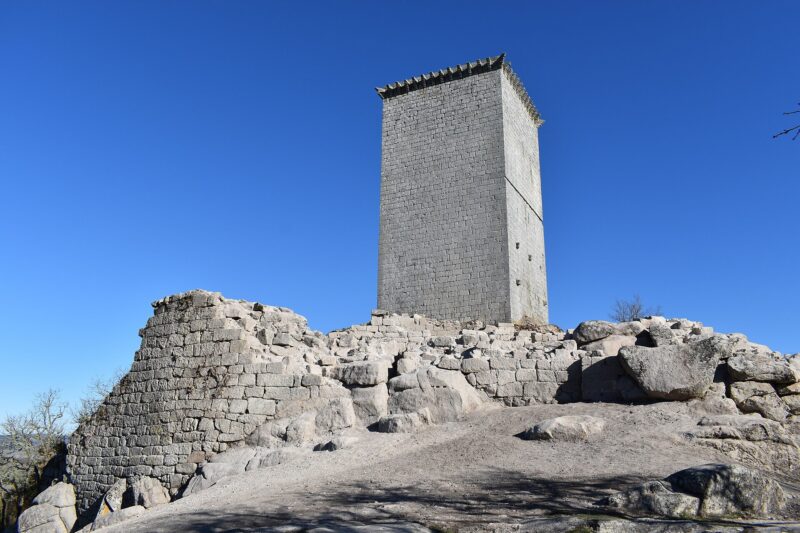 History of A LimiaPrehistory and castros of A LimiaFrom the Pedra Alta de Antela to the castro of Bóveda: megaliths, the Roufeiro weapons, the Outeiro de Baltar and the gold earring of Vilar…
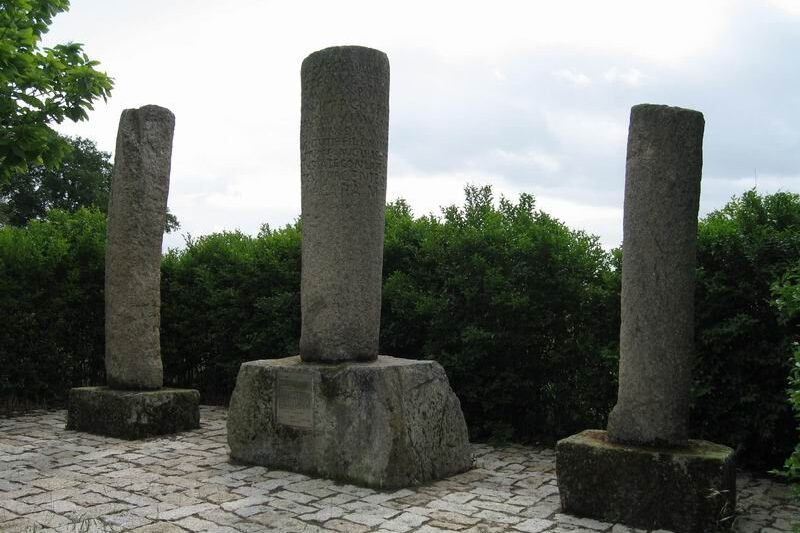 History of A LimiaThe Limici in Roman inscriptions: Celer’s gladiatorial tessera and Corellius LimicusTwo epigraphic pieces outside A Limia that mention a "Limicus": the bronze gladiatorial tessera from Niebla (Huelva), of the 1st century,…
History of A LimiaThe Limici and Romanisation: Civitas, Forum Limicorum and Via NovaWhat is known of the Limici and Roman Limia: the Civitas Limicorum, the debate over where the Forum Limicorum stood (A Cidá of Nocelo da…
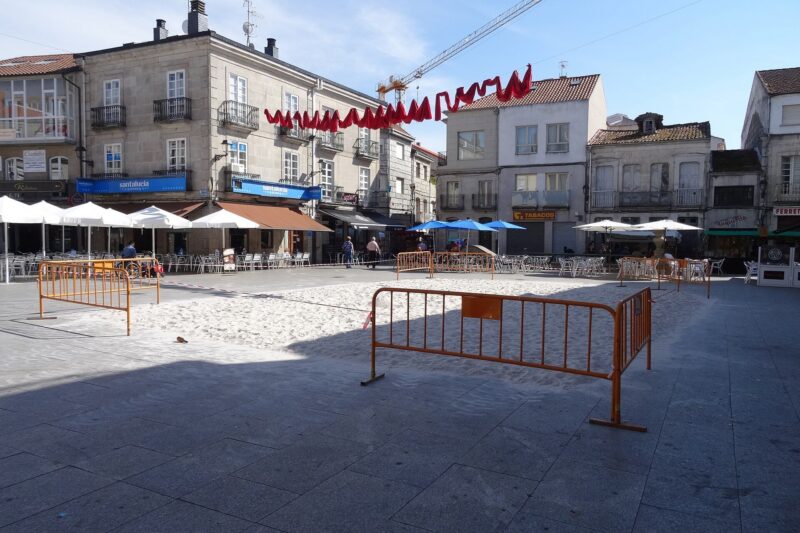 History of A LimiaThe Praza Maior, the Ladeira and the Toural: history of Xinzo’s central placesHistory of the Praza Maior (fairs since the 16th century, the 1907 Espolón, the fountain), the Ladeira and the Toural (the lagoon, the…
History of A LimiaLight, chocolate, fizzy drinks and roads: the industrial and service Xinzo of the 20th centuryHow electricity (1911), the printing press, chocolate and soda factories, the Rubio Cold-Storage Slaughterhouse and buses to Ourense and…
 History of A LimiaCinemas, café, radio, school and library: Xinzo’s cultural life from 1948 to the 1970sThe cinemas Los Molinos (1948) and Antelano (1954), the Café Ideal and the Ideal 6 disco, the 1950 radio, the Colegio Santa Marina, the…
