


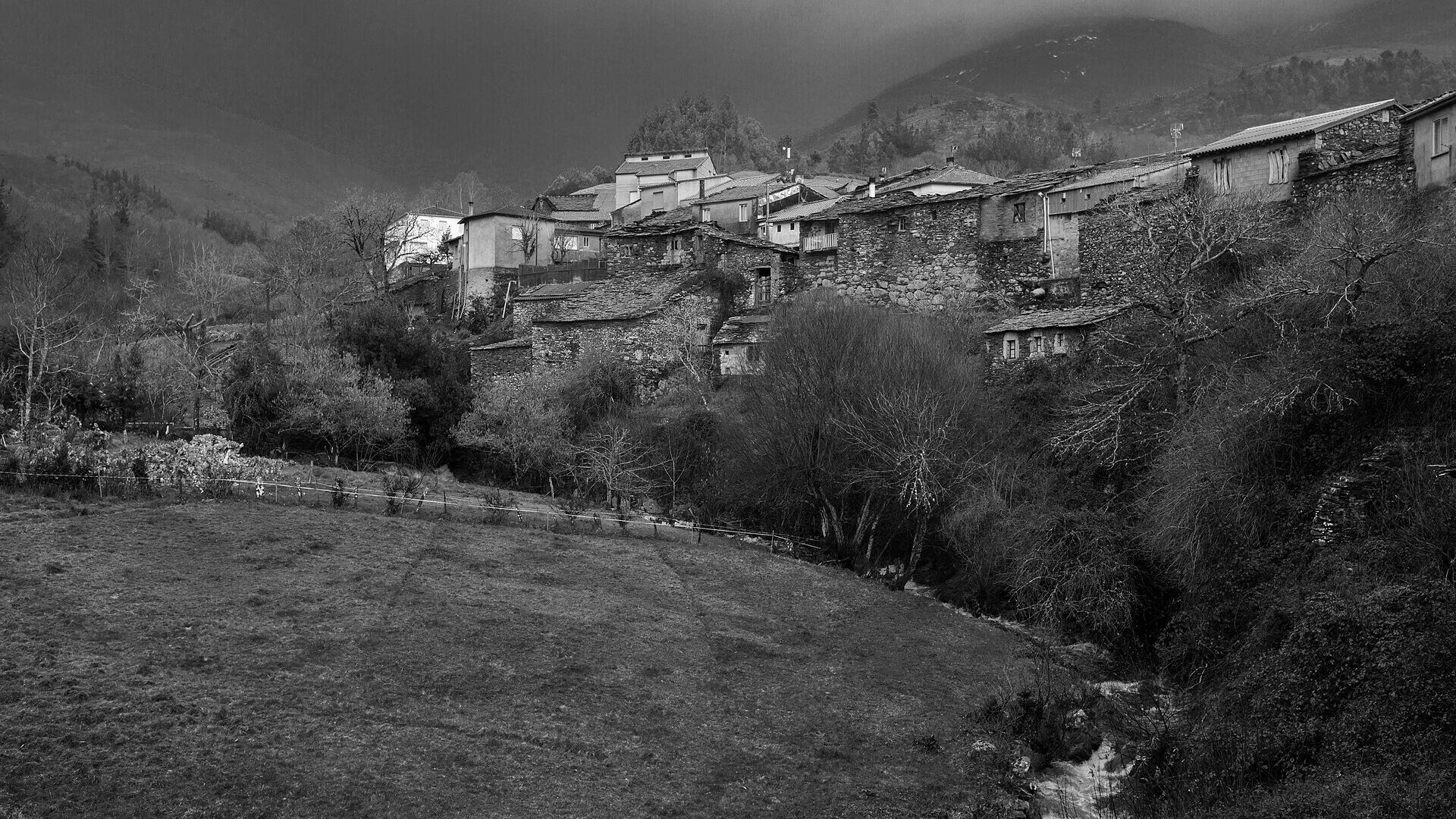
Limia people who fled to Portugal (1936–1950)
Teachers, trade unionists and farmers from A Limia who crossed the Portuguese border after the 1936 coup: Anxo Gómez, Luís Bazal, the Dios brothers, Antonio Fernández Vences, the Feijóos and Celso Romero Peláez, according to Cerredelo.
The border with Portugal was, after the July 1936 coup, the escape route of many Republicans from A Limia. Edelmiro Martínez Cerredelo distinguishes two groups: the refugees, who appear in 1936 and were Spaniards committed to the Republic fleeing repression, and the guerrillas, who appear in 1940 as former combatants in Asturias trying to leave the country across the Portuguese border; among the refugees there may have been some who later joined the guerrilla [1]. This page gathers only cases that appear by name in his article.
Trade unionists and farmers
- Anxo Gómez Iglesias "Angelito", aged 32, a businessman of Prado (Vilar de Barrio), president of the Prado Agrarian Society and of the miscellaneous trades and railway workers’ union. In the first days of the coup he went with up to twenty men to Vilar de Barrio to oppose army forces, there was a shoot-out in which a worker died and he fled to Portugal; he gave himself up in June 1939, when two brothers and his mother had been arrested in Codosedo, and was sentenced to 20 years, commuted to 12 [1].
- Ricardo Sanmiguel Prado, aged 41, a neighbour of Prado, delegate of the railway workers’ union; he fled to Portugal, was handed over at Feces de Cima on 4 July 1937 and sentenced to death on 16 September, commuted on 19 January 1938 to life imprisonment and later to six years’ minor prison [1].
- Xesús and Antonio Dios Dios, of Sandiás, members of the Sandiás Agrarian Society: after hiding in the cave of A Uceira, they crossed to Portugal in May 1937 and settled in Rodeiro (Melgaço, Castro Laboreiro). They returned and were arrested by the Civil Guard in May 1940 and released in July [1].
Teachers
- Luís Bazal Rodríguez, anarchist teacher, former teacher at Pidre and married in Boado, dismissed in 1936 and removed from teaching in 1940. He fled on foot from Castro de Beiro to the Portuguese border in August 1936, was held at Chaves fort and was evacuated by ship from Lisbon to Tarragona; he fought as an artillery lieutenant, went into exile in France, was interned in a camp and was forced to enlist in work companies in Nazi Germany. He later worked in Toulouse, wrote poetry and war memoirs and returned to Spain in 1977; he died in 1990 [1].
- Antonio Fernández Vences, teacher of Pazos de Codosedo (Sarreaus), president of the Agrarian Society and councillor of Sandiás: he fled to Portugal in 1937, was imprisoned in Melgaço, escaped in November 1938 and lived in hiding for twelve years, shot twice; he was arrested at San Paio de Abades (Baltar) on 20 September 1948. The neighbours of San Paio signed a letter asking for his freedom and raised 250 pesetas, and he was permanently disqualified as a teacher in April 1940 [1]. His name appears again in Women victims of repression in A Limia.
- Vicente Ortega Martínez, teacher of Viladerrei, hidden in Portugal until July 1939, when he presented himself at the Civil Guard barracks in Viladerrei [1].
- Antonio Feijóo Martínez, teacher of Damil, and his brothers Manuel (Porqueira) and Eloi (Laroá), teachers: arrested on returning from Portugal and assigned to forced labour building the Hospital Modelo in Ourense [1].
The lawyer from Xinzo
Celso Romero Peláez, lawyer of Xinzo, active since the Restoration and representative of the Xinzo Concello at the 1931 Pro-Galician Statute Assembly, crossed to Portugal through Baltar and ended up in exile in Chile, Colombia and Venezuela [1]. See his profile.
Links
Sources
- Edelmiro Martínez Cerredelo, «Limiaos fuxidos a Portugal: 1936-1950», Historia de Xinzo, 10-04-2023. https://historiadexinzo.wordpress.com/2023/04/10/limiaos-fuxidos-a-portugal-1936-1950/
- «[s. XX, guerrilla] Irmáns Dios Dios fuxidos a Portugal: a Antonio Dios encarcerárono en Xinzo por negarse a acarrexar patacas para o exército. En maio de 1937 e». id:Ef0c3a680d5
You may also like
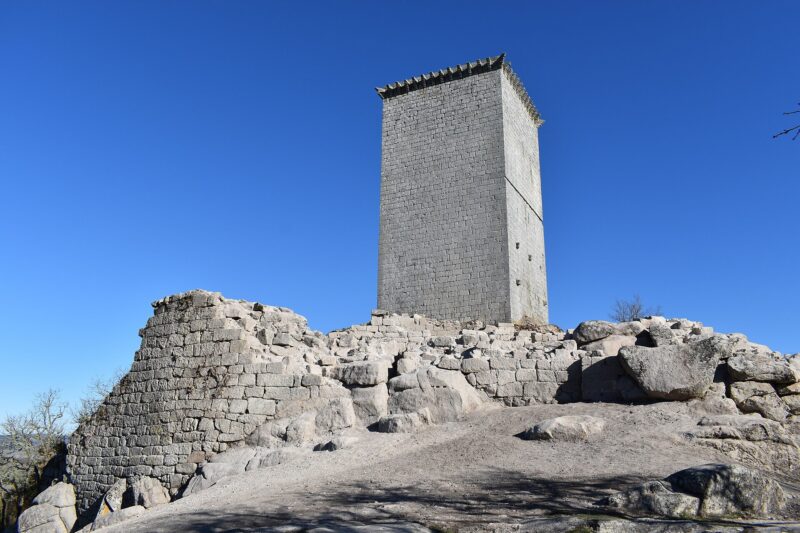 History of A LimiaPrehistory and castros of A LimiaFrom the Pedra Alta de Antela to the castro of Bóveda: megaliths, the Roufeiro weapons, the Outeiro de Baltar and the gold earring of Vilar…
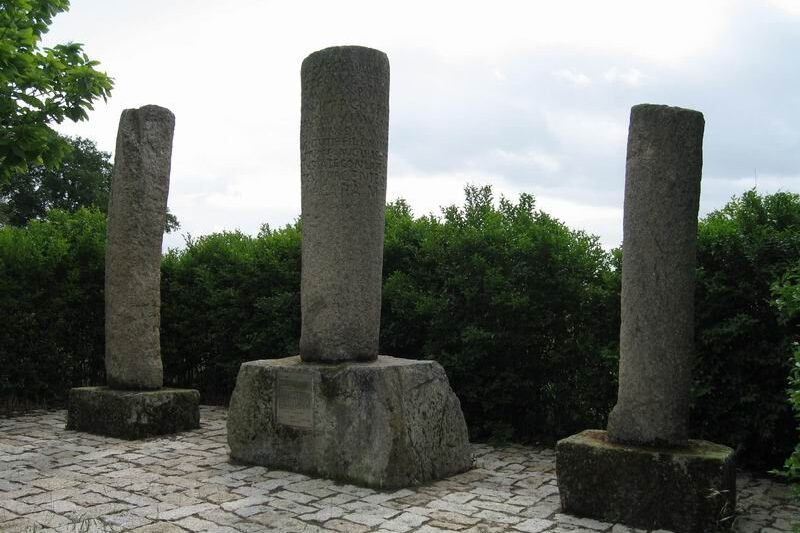 History of A LimiaThe Limici in Roman inscriptions: Celer’s gladiatorial tessera and Corellius LimicusTwo epigraphic pieces outside A Limia that mention a "Limicus": the bronze gladiatorial tessera from Niebla (Huelva), of the 1st century,…
History of A LimiaThe Limici and Romanisation: Civitas, Forum Limicorum and Via NovaWhat is known of the Limici and Roman Limia: the Civitas Limicorum, the debate over where the Forum Limicorum stood (A Cidá of Nocelo da…
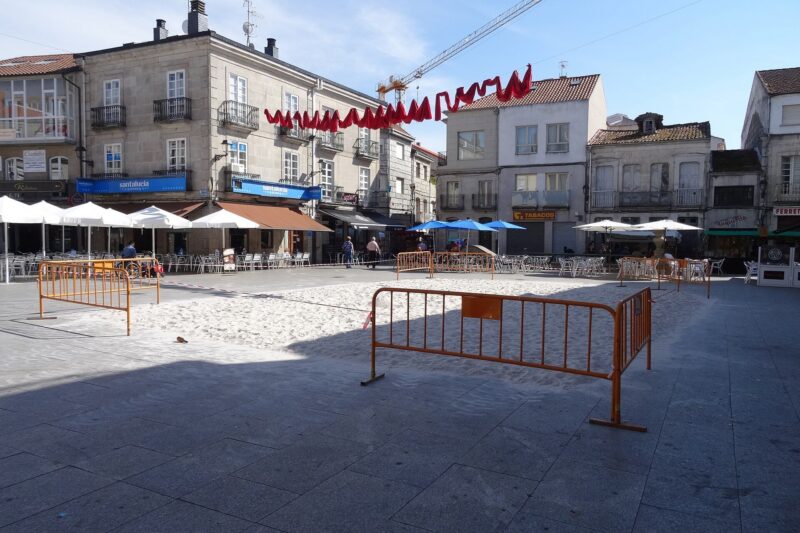 History of A LimiaThe Praza Maior, the Ladeira and the Toural: history of Xinzo’s central placesHistory of the Praza Maior (fairs since the 16th century, the 1907 Espolón, the fountain), the Ladeira and the Toural (the lagoon, the…
History of A LimiaLight, chocolate, fizzy drinks and roads: the industrial and service Xinzo of the 20th centuryHow electricity (1911), the printing press, chocolate and soda factories, the Rubio Cold-Storage Slaughterhouse and buses to Ourense and…
 History of A LimiaCinemas, café, radio, school and library: Xinzo’s cultural life from 1948 to the 1970sThe cinemas Los Molinos (1948) and Antelano (1954), the Café Ideal and the Ideal 6 disco, the 1950 radio, the Colegio Santa Marina, the…
