

Francisco Cortés Martínez, Deported to Buchenwald
Francisco Cortés Martínez (Calvos de Randín, 1913 – Soutomaior, 1987) fought for the Republic, went into exile in France, was deported to Buchenwald camp in 1944 and survived until liberation.
- Born
- Calvos de Randín, 25 November 1913
- Death
- Soutomaior, 30 September 1987
- Deportation
- Buchenwald (number 43539), 1944–1945
- Occupation
- veterinary student; carpenter
Francisco Antonio Cortés Martínez was born in Calvos de Randín on 25 November 1913 and died in Soutomaior on 30 September 1987. He was a Galician exile deported to the Nazi concentration camps [1].
Family and war
His father, José, was a lieutenant in the Carabineros posted to Calvos de Randín and Ourense, and rose to colonel during the war. In 1934 Francisco was studying Veterinary Science in Madrid and was a member of the Federación Universitaria Escolar. He fought as a militiaman on the Republican front and later served in an assault company of the Investigation and Surveillance Corps. When the war was decided, the family went into exile: his parents, sisters and Francisco crossed to France, and the men were interned in the Argelès camp; his mother and sisters later returned to Calvos, where they suffered the contempt of the Falangists but rebuilt their lives with the support of most of the neighbours. The brothers had different fates: one escaped to Portugal, another hid in Valencia and another joined the Francoist side [1].
Deportation
He entered the Bram refugee camp in March 1939 and was arrested in Tours on 4 December 1943, probably for belonging to the Resistance. He passed through Compiègne and was transferred to Buchenwald on 29 January 1944 with the number 43539 and the red triangle of a political prisoner; he worked in subcamps such as Halberstadt (Junkers factory) and Langestein-Zwieberge. Shortly before liberation the SS tried to murder the prisoners; only a few escaped, Francisco among them [1].
After the war
He returned to Bordeaux, married a Frenchwoman and in the 1950s went back to Spain; he worked for some years in Gijón and, around 1970, settled in Vigo. His time in the camp left him with physical after-effects. In March 2020 his niece lodged a complaint in his name to join the Argentine lawsuit against the crimes of the Franco regime [1].
Links
Sources
- «Francisco Cortés Martínez», Galipedia (CC BY-SA 4.0). https://gl.wikipedia.org/wiki/Francisco_Cortés_Martínez
You may also like
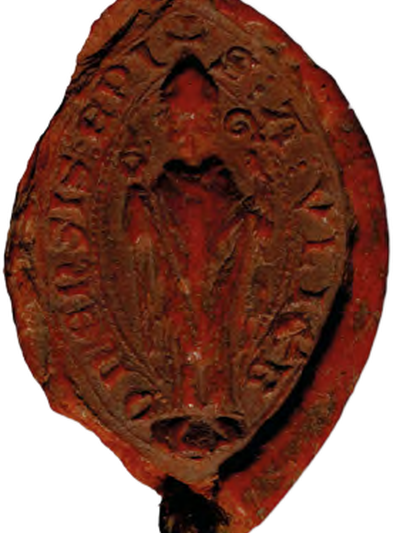 Notable personAiras Vasques, Bishop of Lisbon Born in Xinzo de Limia (13th Century)Airas Vasques (Xinzo de Limia, c. 1170 – Lisbon, 1258) was Bishop of Lisbon from c. 1241, archdeacon of Santiago, founder of the collegiate…
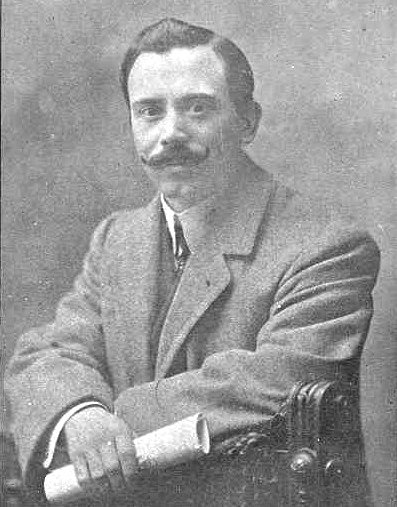 Notable personAlfredo Nan de Allariz, Poet and Playwright from Xinzo in HavanaAlfredo Fernández, «Nan de Allariz», was born in Xinzo de Limia (1874 or 1875) and died in Madrid in 1927; poet, playwright and composer,…
 Notable personÁlvaro de Oca y Zúñiga, the Jurist from Celme Who Became Viceroy of NavarreÁlvaro de Oca y Zúñiga (Celme, Rairiz de Veiga, 16th century – Pamplona, 1638) was a professor at Salamanca, judge, regent of the Royal…
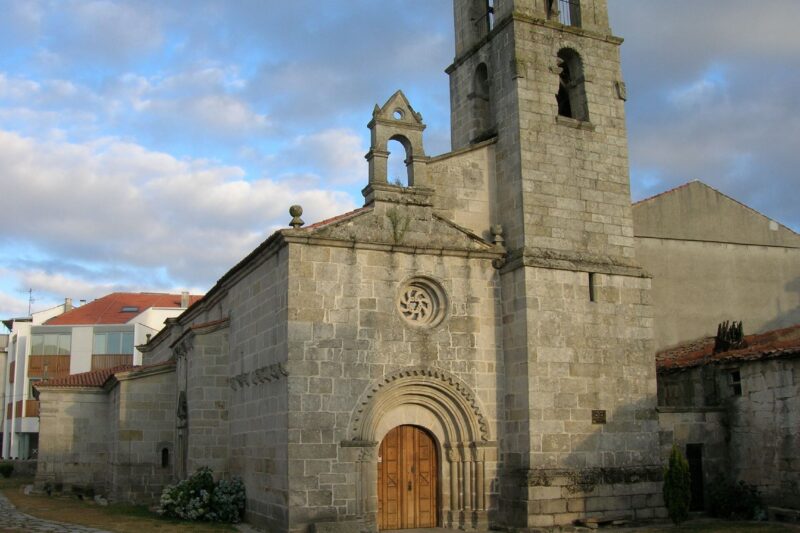 Notable personAna Prieto, pharmacist and MP born in Xinzo de LimiaAna Prieto Nieto (Xinzo de Limia, 1965) is a pharmacist, was president of the Lugo Pharmacists' Association (2009-2015), deputy mayor of…
Notable personÁngel Cocho Ferrero, Headmaster of the Colexio Santa Mariña in XinzoÁngel Cocho Ferrero (A Coruña, 1914) ran the Colexio Santa Mariña in Xinzo from 1953, the town's educational landmark of the 1950s–70s. In…
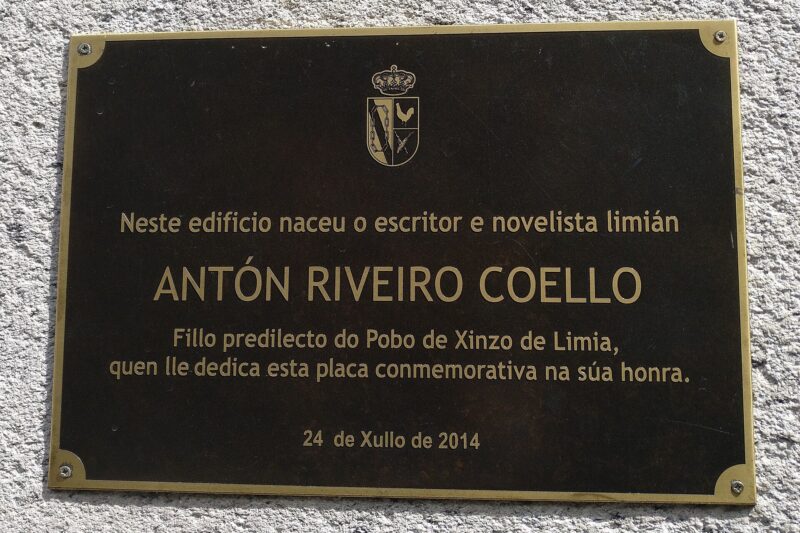 Notable personAntón Riveiro Coello, Writer from Xinzo de LimiaAntón Riveiro Coello (Xinzo de Limia, 1964) is one of the most translated Galician novelists: author of «As rulas de Bakunin», «Laura no…
