


Lethes, cultural notebooks of the Limia: index of issues 1 to 5
Annotated index of the first five issues of the magazine Lethes, Cadernos culturais do Limia, with articles on the river Lethes, the Antioquía cock, the towers, megaliths, the Via Nova, fairs, the Entroido and the draining of the lagoon.
Lethes. Cadernos culturais do Limia is the comarca’s cultural magazine, published in Xinzo de Limia. The comarca website xinzodelimia.eu published the index of its first issues, which serves as a bibliographic guide to the history, nature and ethnography of A Limia [1]. Here that index is summarised in our own description.
Issue 1
It deals with the river Lethe between myth and history (Antonio Balboa Salgado), the symbolism of the cock in the legend of the drowned city of Antela (Ladislao Castro Pérez and Manuel García Valdeiras), the cultural identity of A Limia (Luis Martínez-Risco), landscapes and the natural environment (Elena de Uña Álvarez), the megaliths of the Salas valley (José M. Eguileta), the Roman military settlement of Aquae Querquennae (Tomás Vega Avelaira), the As Conchas reservoir and the festival of San Bieito (Manuel Rivero Pérez), mills (Manuel Seoane Feijoo), the tile-maker’s trade (Ángel Cerrato) and the stonemason’s work (Pepe Calleja) [1].
Issue 2
It includes Fotos na memoria (Antón Riveiro Coello); agrarian associations in the Baixa Limia (Julio Prada); megaliths and prehistoric routes (Eguileta); the Foro dos Límicos and Xinzo as epicentre of Roman roads (Xoán Carlos Rivas); Santa Mariña (Manuel Xusto Rodríguez); the Via Nova in the natural park (Santiago Ferrer); the Cortegada menhir (Tomás Vega Avelaira and Tomás Vega Pato); fairs along the roads of A Limia (Ángel Cerrato); toponymy of the Limia basin (Miguel Marvoa) and Santa Comba de Bande (Celso Rodríguez Cao) [1]. See The Pedra Alta.
Issue 3
It contains works on Don Pedro González de Ulloa and the archaeological finds of A Limia in the 17th century (Antonio R. Colmenero), the lordships and monasteries of A Limia in the Ancien Régime (Olga Gallego), a Roman ceramic kiln in Trasmiras (Santiago Ferrer), the mural paintings of the chapel of San Xoán de Seoane de Oleiros, the Entroido in Xinzo in the 21st century (Federico Cocho), scrub fires in Toxal-Uceira, the analysis of A Limia’s wetlands (Tomás García García), the climate of Xinzo (Elena de Uña) and "O galo de Antioquía" by Carlos Casares [1]. See Blind singers’ songs and traditions.
Issue 4
It includes studies on the purge of justice in the lands of A Limia (Julio Prada), the parish of Santa María de Bóveda de Limia (Enrique Bande), the Bon Xesús Convent of Trandeiras (Manuel Seoane), the Roman bridges around the Via Nova (Manuel Durán), the tower of Xinzo (José Pérez), the comprehensive environmental recovery of A Limia (Serafín González and Antonio Villarino), wild mushrooms, the "pozas do aire" as an example of popular engineering (Manolo Rivero), irrigation channels (Ángel Cerrato), a tribute to Carlos Casares and a remembrance of Carmen Novoa [1]. See Bon Xesús Convent of A Limia.
Issue 5
It covers the Chalcolithic in Galician Limia (Eguileta), new inscriptions related to the Via Nova (Santiago Ferrer and Alfredo Seara), the excavation of the church street in Xinzo (Manolo Valdeiras), the access of the judicial district’s women to studies (Roma María Cid Galante), the draining of the Lagoa de Antela between disaster and necessity (Francisco Salinas Portugal), Don Mauro Caseiro, a missionary in the 18th century (Miguel A. González García), Benito Fernández Alonso (Carmen Barbosa), the history of Santo Tomé de Moreiras, traditional ballads of the Baixa Limia, the "madamaxe" in Baltar, the presence of A Limia in the work of Antón Tovar (Delfín Caseiro) and notes on beekeeping [1]. Issues 6 to 8 appear on the website without an index.
Other reference publications
The website recommends as indispensable for documenting Xinzo, A Limia and the lagoon the works of Ferro Couselo, Otero Pedrayo, Vicente Risco, the Count of Valvís and Pedro González de Ulloa, and cites among the comarca’s writers Hydatius, Antón Tovar, Elixio Rivas Quintas, Antonio Nieto Oliva, Edelmiro Martínez Cerredelo, Antón Riveiro Coello, Carmen Novoa, Nelson Zumel, Conchita Rúa, Castor Méndez Brandón and Carlos Casares, among others [2]. See Authors and artists of A Limia.
Links
Sources
- «Publicacións Lethes», xinzodelimia.eu. http://www.xinzodelimia.eu:80/lethes.htm
- «Escritores e publicacións de Xinzo de Limia, a Limia e a Lagoa de Antela», xinzodelimia.eu. http://www.xinzodelimia.eu:80/publicacions.htm
You may also like
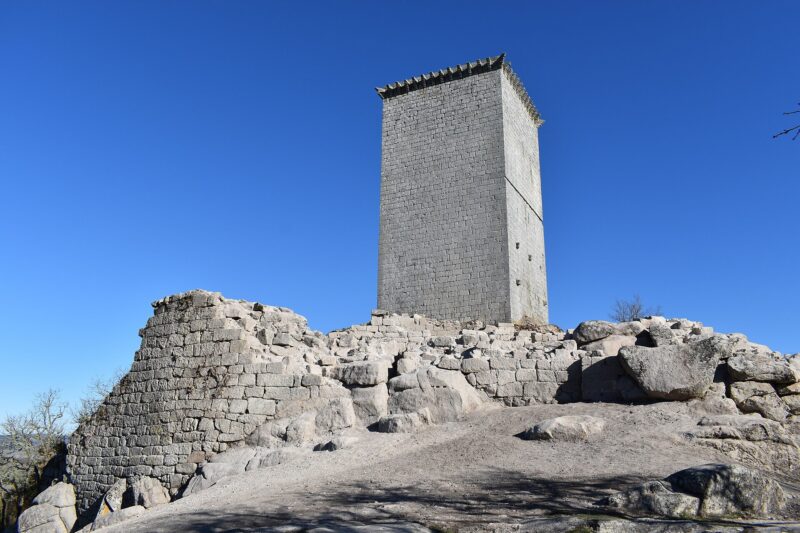 History of A LimiaPrehistory and castros of A LimiaFrom the Pedra Alta de Antela to the castro of Bóveda: megaliths, the Roufeiro weapons, the Outeiro de Baltar and the gold earring of Vilar…
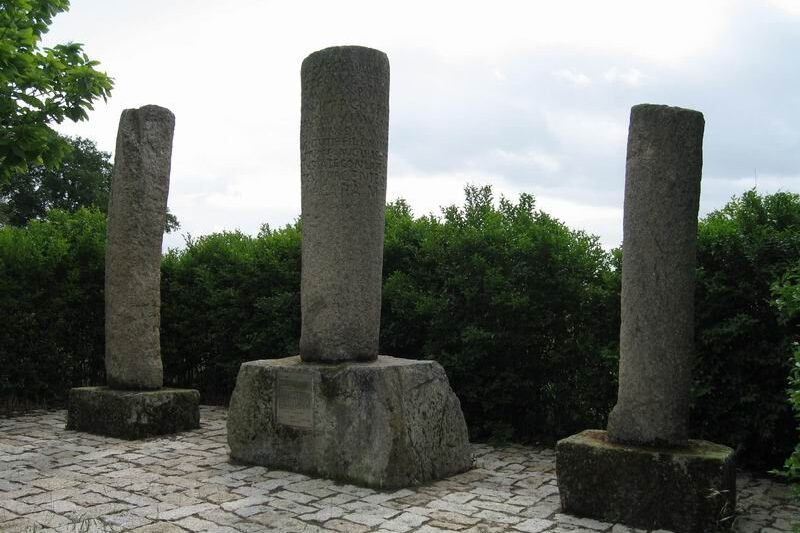 History of A LimiaThe Limici in Roman inscriptions: Celer’s gladiatorial tessera and Corellius LimicusTwo epigraphic pieces outside A Limia that mention a "Limicus": the bronze gladiatorial tessera from Niebla (Huelva), of the 1st century,…
History of A LimiaThe Limici and Romanisation: Civitas, Forum Limicorum and Via NovaWhat is known of the Limici and Roman Limia: the Civitas Limicorum, the debate over where the Forum Limicorum stood (A Cidá of Nocelo da…
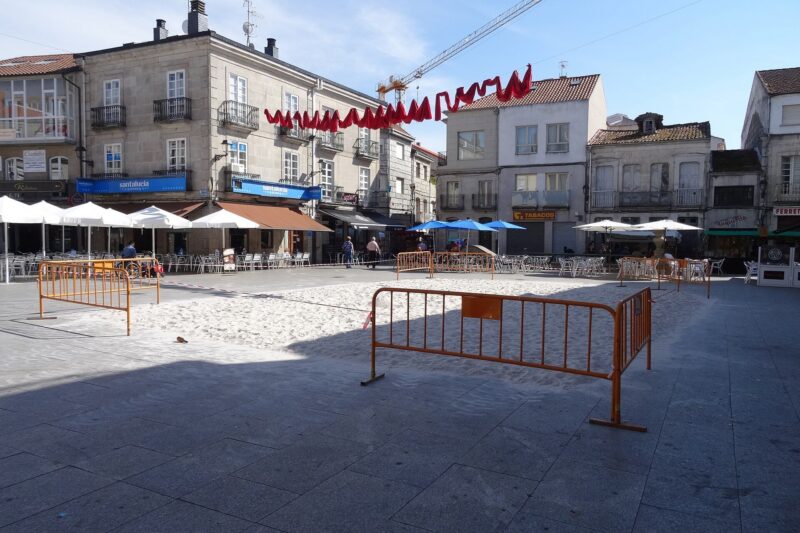 History of A LimiaThe Praza Maior, the Ladeira and the Toural: history of Xinzo’s central placesHistory of the Praza Maior (fairs since the 16th century, the 1907 Espolón, the fountain), the Ladeira and the Toural (the lagoon, the…
History of A LimiaLight, chocolate, fizzy drinks and roads: the industrial and service Xinzo of the 20th centuryHow electricity (1911), the printing press, chocolate and soda factories, the Rubio Cold-Storage Slaughterhouse and buses to Ourense and…
 History of A LimiaCinemas, café, radio, school and library: Xinzo’s cultural life from 1948 to the 1970sThe cinemas Los Molinos (1948) and Antelano (1954), the Café Ideal and the Ideal 6 disco, the 1950 radio, the Colegio Santa Marina, the…
