

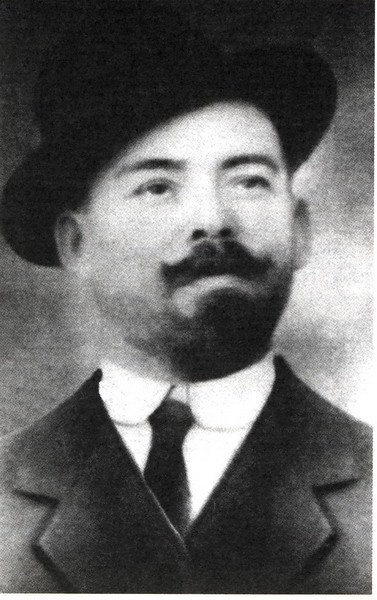
Francisco Seijo Iglesias, the Republican Watchmaker of El Agrario and El Látigo
Francisco Seijo Iglesias (Ourense, c. 1875 – Xinzo de Limia, 1940), watchmaker, poet and agrarian Republican journalist, edited El Agrario (1919) and El Látigo (1923) and wrote the lyrics of the pasodoble «Ginzo de Limia».
Francisco Seijo Iglesias was born around 1875 in Ourense and died in Xinzo de Limia on 5 January 1940, aged 65. A watchmaker by trade, poet and journalist, he edited the weeklies El Agrario (1919) and El Látigo (1923) in Xinzo and is remembered as a defender of the farmers and a scourge of the caciques (local bosses) [1].
Life
In Ourense he met his wife, Rosa Villarino Quintas, a milliner’s apprentice from Ganade. They married, moved to Xinzo and had six children. He opened the watchmaker’s shop, inherited from his father’s trade, in the town square [1]. An educated man, with a gift for writing, poetry and the verses of Carnival and cencerradas (mock serenades), he contributed to, founded and edited several newspapers, those with the most political content and Republican ideas. He was an agrarian and opposed the caciques, the «cunero» politicians and the exploiters of the farmers of A Limia, which caused him many problems and repeatedly landed him, and his progressive companions, in the town jail [1].
The newspapers
- In 1919 he contributed to Juventud, where he wrote the harshest political columns against the local caciques; he was later named manager. He belonged to the Republican Committee of Xinzo and to the «Sociedad Agraria de Ginzo de Limia» (quote) [1].
- When the Sociedad Agraria was constituted, Juventud was renamed El Agrario and Seijo became its new editor. Of that newspaper, the most political and interesting, only one issue can be studied: nobody kept the rest, perhaps because of its agrarian and Republican content [1].
- In 1923 he founded El Látigo, of which he was editor and probably owner; almost all those from the earlier ventures contributed, above all Celso Nieto Oliva, though by then disillusioned and more moderate. It closed because of financial problems [1].
He was also a clerical assistant at Xinzo town hall (he resigned shortly before Juventud appeared) and secretary of Trasmiras town hall. His son Luís Seijo Villarino contributed to the local press [1].
How others saw him
An article of May 1919 in Juventud, signed Zerep, describes Seijo as «one of the old Republicans of pure stock», whose «iron will» neither adversity nor the years had softened [1]. His friend Antonio Nieto Oliva wrote that he had «a wide-awake mind, a rebel spirit», that he was «a misfit who never begged favours», with a pen that was «nimble, a cutting stiletto, mordant» and a strong poetic vein [1].
The fight against caciquismo and the poor response of the voters left him disenchanted; devotion to his ideas ruined his finances and led him to neglect his family [1]. He was a man of little faith: according to his granddaughter, when the priest visited him at the end so that he might make his peace with God, he replied: «With God I have always been on good terms; it is with you that I have always been on bad terms» [1].
The town’s pasodoble
In 1929 he wrote the lyrics of the pasodoble «Ginzo de Limia» (quote), with music by the maestro Xosé Pena Fuentes, from Parada de Ribeira, director of the band A Lira de Parada; it was played and sung by the Tuna Antelana [1]. It begins: «Ginzo de Limia, hermosa villa / donde el Sol brilla con mucho ardor» (quote) [1].
Links
- People of A Limia
- Antonio Nieto Oliva, his friend and fellow press man
- Xinzo de Limia
Sources
- Edelmiro Martínez Cerredelo, «Francisco Seijo Iglesias. Director dos xornais: "El Agrario" (1919), "El Látigo" (1923) de Xinzo de Limia», Historia de Xinzo, 11/09/2024. https://historiadexinzo.wordpress.com/2024/09/11/francisco-seijo-iglesias-director-dos-xornais-el-agrario-1919-el-latigo-1923-de-xinzo-de-limia/
- «francisco_seijo_iglesias». http://www.xinzodelimia.eu:80/francisco_seijo_iglesias.htm
You may also like
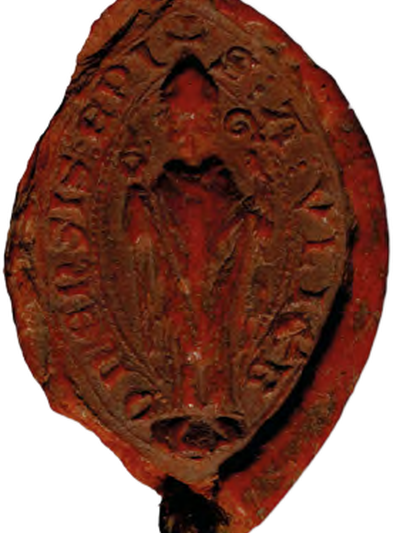 Notable personAiras Vasques, Bishop of Lisbon Born in Xinzo de Limia (13th Century)Airas Vasques (Xinzo de Limia, c. 1170 – Lisbon, 1258) was Bishop of Lisbon from c. 1241, archdeacon of Santiago, founder of the collegiate…
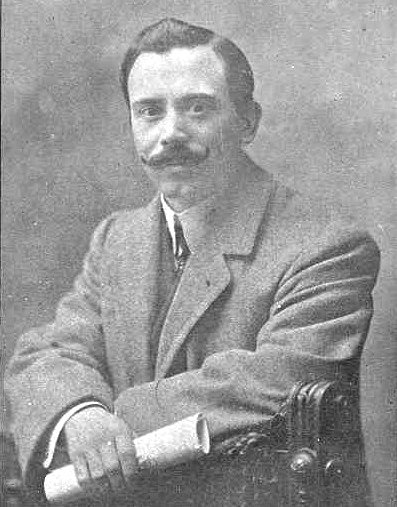 Notable personAlfredo Nan de Allariz, Poet and Playwright from Xinzo in HavanaAlfredo Fernández, «Nan de Allariz», was born in Xinzo de Limia (1874 or 1875) and died in Madrid in 1927; poet, playwright and composer,…
 Notable personÁlvaro de Oca y Zúñiga, the Jurist from Celme Who Became Viceroy of NavarreÁlvaro de Oca y Zúñiga (Celme, Rairiz de Veiga, 16th century – Pamplona, 1638) was a professor at Salamanca, judge, regent of the Royal…
 Notable personAna Prieto, pharmacist and MP born in Xinzo de LimiaAna Prieto Nieto (Xinzo de Limia, 1965) is a pharmacist, was president of the Lugo Pharmacists' Association (2009-2015), deputy mayor of…
Notable personÁngel Cocho Ferrero, Headmaster of the Colexio Santa Mariña in XinzoÁngel Cocho Ferrero (A Coruña, 1914) ran the Colexio Santa Mariña in Xinzo from 1953, the town's educational landmark of the 1950s–70s. In…
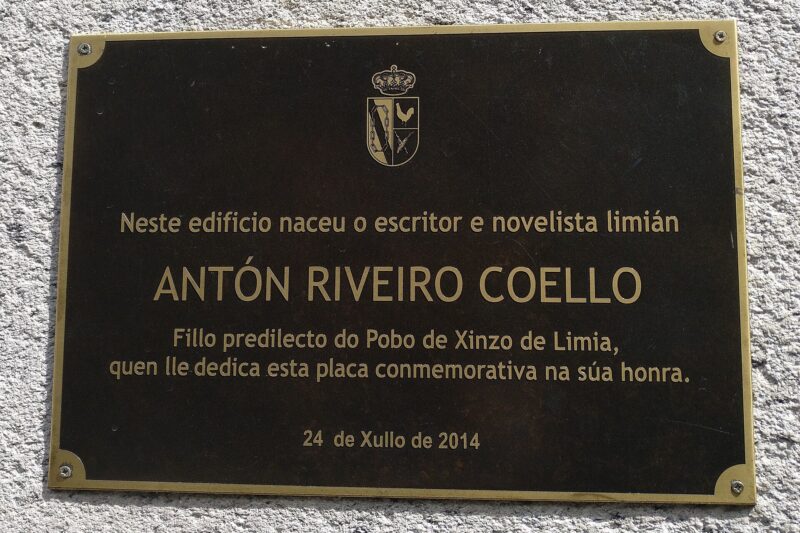 Notable personAntón Riveiro Coello, Writer from Xinzo de LimiaAntón Riveiro Coello (Xinzo de Limia, 1964) is one of the most translated Galician novelists: author of «As rulas de Bakunin», «Laura no…
