

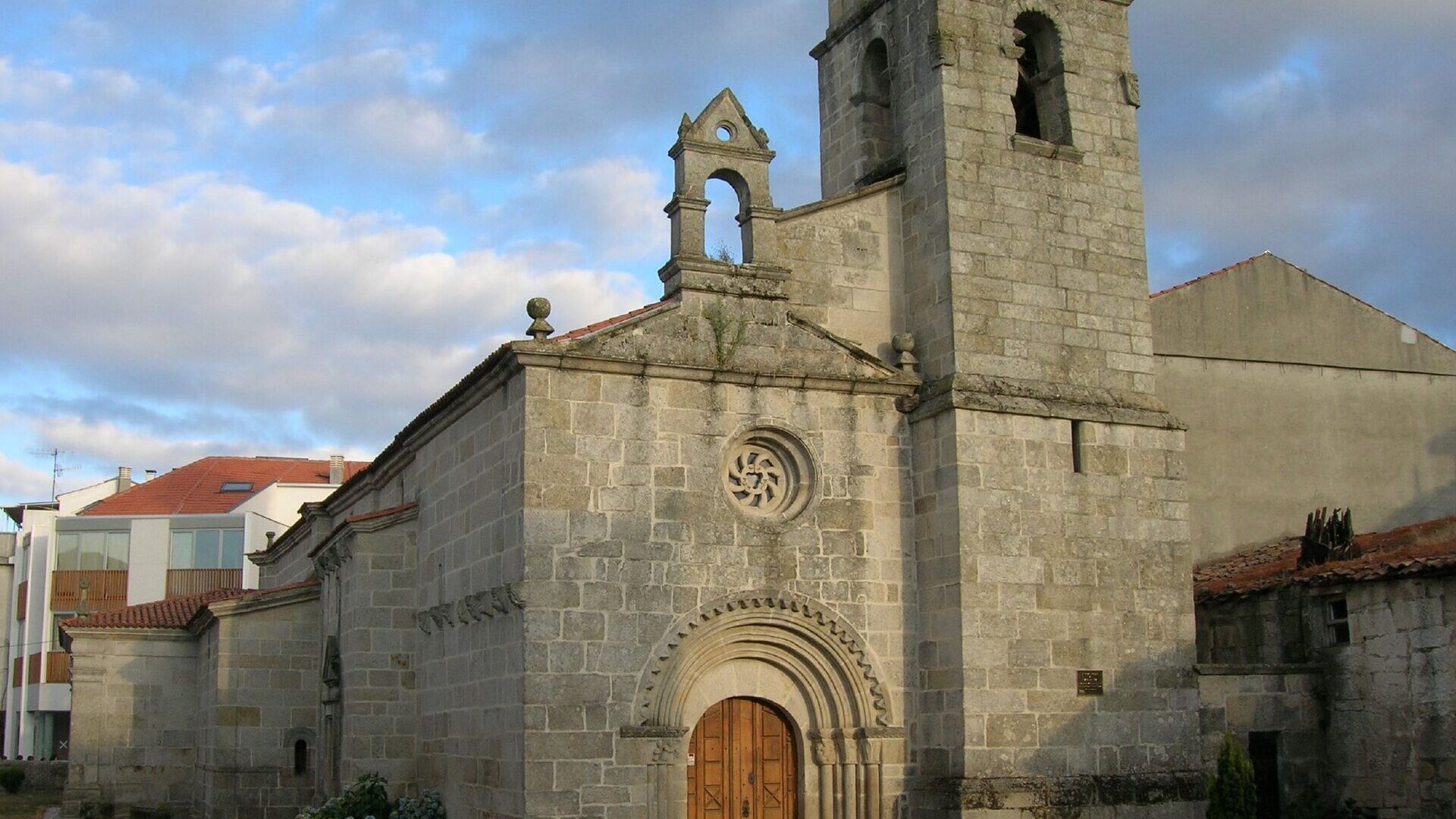
Antonio Nieto Oliva, Shopkeeper, Chronicler and Journalist of Xinzo
Antonio Nieto Oliva (Xinzo de Limia, 1899–1986) ran Almacenes La Moda, founded El Pueblo Antelano, was correspondent for La Región and El Pueblo Gallego, and left records that saved local history.
Antonio Nieto Oliva was born in Xinzo de Limia on 14 November 1899 and died in the same town on 29 July 1986, aged 86. He was a shopkeeper, journalist and writer, and the local historian Edelmiro Martínez Cerredelo says that Xinzo owes him recognition, because his notes and documents helped document many of his books [1][2].
Family and business
He was the son of Antonio Nieto, a native of Villardeciervos (Zamora), and Erundina Oliva Rivero, from Xinzo; he was the eldest of ten siblings (Antonio, Celso, Luís, Elena, Carmen, Coral, Corona, Mariña, Aurita and Flora) [2]. The family home stood on the corner of the Praza Maior with Rúa Lepanto and Rúa Constitución, with part of its façade covered in black tile, and housed the cloth shop [2].
He did his military service in Madrid, in the Military Health Corps, and in 1923 was transferred to Melilla (Hygiene Services unit); he was discharged as a sergeant after the disasters of the Moroccan war [1][2]. He returned to Xinzo to run the business Herederos de Antonio Nieto, «Almacenes La Moda», with marketing techniques unknown in the town: sale seasons and clearance sales, and the slogan «We sell cheap to sell more, and we sell more because we sell cheaper» [2].
Press and literature
An avid reader, he followed the poetry and theatre of the day and was very fond of cabarets. He studied everything published about Xinzo and A Limia, with an interest in history and heraldry, and collected local documentation [2]. He contributed to the local weeklies Juventud, El Agrario (1919) and El Látigo (1923) and founded and edited El Pueblo Antelano (1925). He was Xinzo correspondent for El Pueblo Gallego (Vigo, from 1925) and, in the 1950s, for La Región (Ourense), where Cerredelo considers him one of the best correspondents, for the data that without him would have been lost [1][2]. He also published articles and poems in La Gaceta Regional (Salamanca, 1923), La Raza (Rio de Janeiro), Faro de Vigo, Nuevo Támega (Verín), Eco de Galicia (Havana, 1921), Alfar and La Unión Ilustrada (Málaga) [1][2].
He wrote prose and poetry, much of it dedicated to the women of A Limia. He published Baixo o ceo de Melilla (chronicles from Africa) and Collar de estrellas (madrigal-style sonnets, 1933, La Industrial press of Ourense, 2 pesetas; the cover was drawn by his cousin Manuel Casado Nieto, a poet from Castro Caldelas) [1][2]. His mother’s death inspired the poem «A miña nai» (Eco de Galicia, 17/04/1921) [2].
Civic commitment
Under the Second Republic he was part of the provisional committee of the Partido Agrario Regionalista, which followed the programme of the regionalist Ramón Otero Pedrayo and advocated a federal republic, together with Leopoldo Álvarez, Juan R. Lepina, Máximo Marquina, Arsenio Morgade and Ángel García [1][2]. Under Franco he was secretary of Catholic Action, substitute municipal judge in 1955 and president of the Casino Antelano (1947-1949 and 1956) [1][2].
Xinzo in 1961
In his 1961 chronicle for La Región he describes a town with well-established shops, good pharmacies, bars and a central Renfe ticket office, and increasing industry: the Molinera Antelana, Feculeras Gallegas, Mantequerías Anduriña, the Limia Slaughterhouse, sawmills, chocolate, soft drinks, ice and ceramics, as well as the potato warehouses Propasi and Aga [3]. Of the fairs on the 14th, 21st and 27th he writes that they were, in his view, «the most important in all of Galicia» for cattle transactions, with buyers from León and Castile, and that at harvest time hundreds of lorries left laden with potatoes. He mentions the Casino, with its Corpus dances, the Saínza, Epiphany and Carnival, the dance floors, the Los Molinos and Antelano cinemas, the town band lost to the war and the local press (El Eco Antelano, Juventud, El Agrario, El Camelo, El Látigo, El Pueblo Antelano), as well as the Academia Santa Marina, the municipal library and the Youth Front radio station [3].
Links
- Parish: Xinzo de Limia
- People of A Limia
- Francisco Seijo Iglesias, a fellow press man
- Xinzo de Limia
Sources
- «Antonio Nieto Oliva», Galician Wikipedia (CC BY-SA 4.0); cites Edelmiro Martínez Cerredelo, A prensa en Xinzo de Limia: século XX (1911-1925), 2005. https://gl.wikipedia.org/wiki/Antonio_Nieto_Oliva
- Edelmiro Martínez Cerredelo, «Casa e comercio da familia Nieto Oliva. Coa biografía de Antonio», Historia de Xinzo, 08/03/2022. https://historiadexinzo.wordpress.com/2022/03/08/casa-e-comercio-da-familia-nieto-oliva/
- Antonio Nieto Oliva, «Crónica de Ginzo de Limia» (quote), La Región, 1961, reproduced in Historia de Xinzo, 12/07/2016. https://historiadexinzo.wordpress.com/2016/07/12/cronica-de-ginzo-de-limia-por-antonio-nieto-oliva-en-1961/
- «antonio Nieto Oliva». http://www.xinzodelimia.eu:80/antonio_nieto_oliva.htm
You may also like
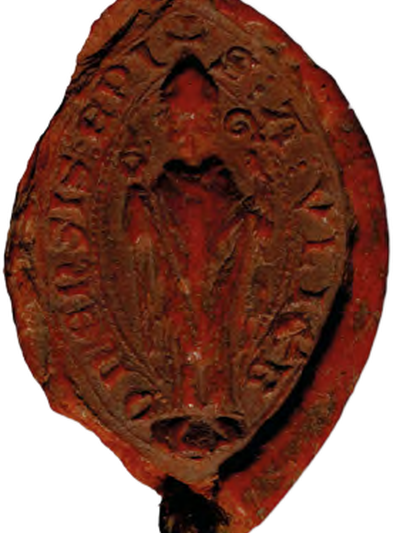 Notable personAiras Vasques, Bishop of Lisbon Born in Xinzo de Limia (13th Century)Airas Vasques (Xinzo de Limia, c. 1170 – Lisbon, 1258) was Bishop of Lisbon from c. 1241, archdeacon of Santiago, founder of the collegiate…
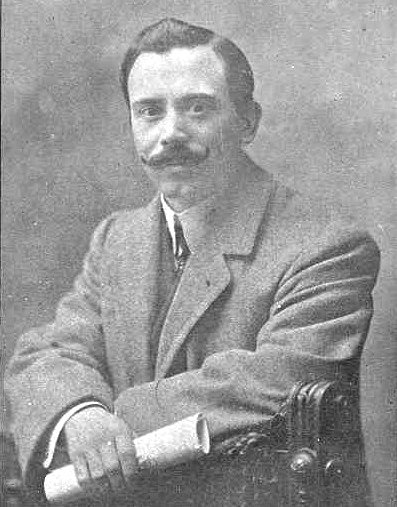 Notable personAlfredo Nan de Allariz, Poet and Playwright from Xinzo in HavanaAlfredo Fernández, «Nan de Allariz», was born in Xinzo de Limia (1874 or 1875) and died in Madrid in 1927; poet, playwright and composer,…
 Notable personÁlvaro de Oca y Zúñiga, the Jurist from Celme Who Became Viceroy of NavarreÁlvaro de Oca y Zúñiga (Celme, Rairiz de Veiga, 16th century – Pamplona, 1638) was a professor at Salamanca, judge, regent of the Royal…
 Notable personAna Prieto, pharmacist and MP born in Xinzo de LimiaAna Prieto Nieto (Xinzo de Limia, 1965) is a pharmacist, was president of the Lugo Pharmacists' Association (2009-2015), deputy mayor of…
Notable personÁngel Cocho Ferrero, Headmaster of the Colexio Santa Mariña in XinzoÁngel Cocho Ferrero (A Coruña, 1914) ran the Colexio Santa Mariña in Xinzo from 1953, the town's educational landmark of the 1950s–70s. In…
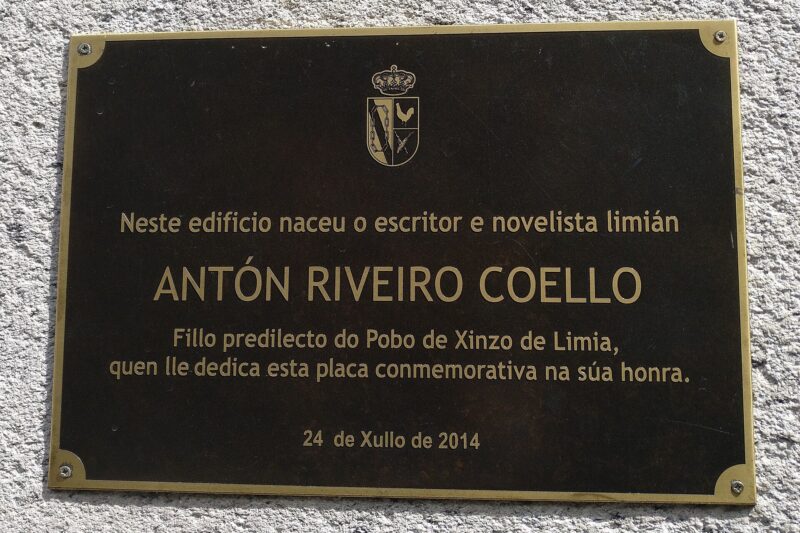 Notable personAntón Riveiro Coello, Writer from Xinzo de LimiaAntón Riveiro Coello (Xinzo de Limia, 1964) is one of the most translated Galician novelists: author of «As rulas de Bakunin», «Laura no…
