


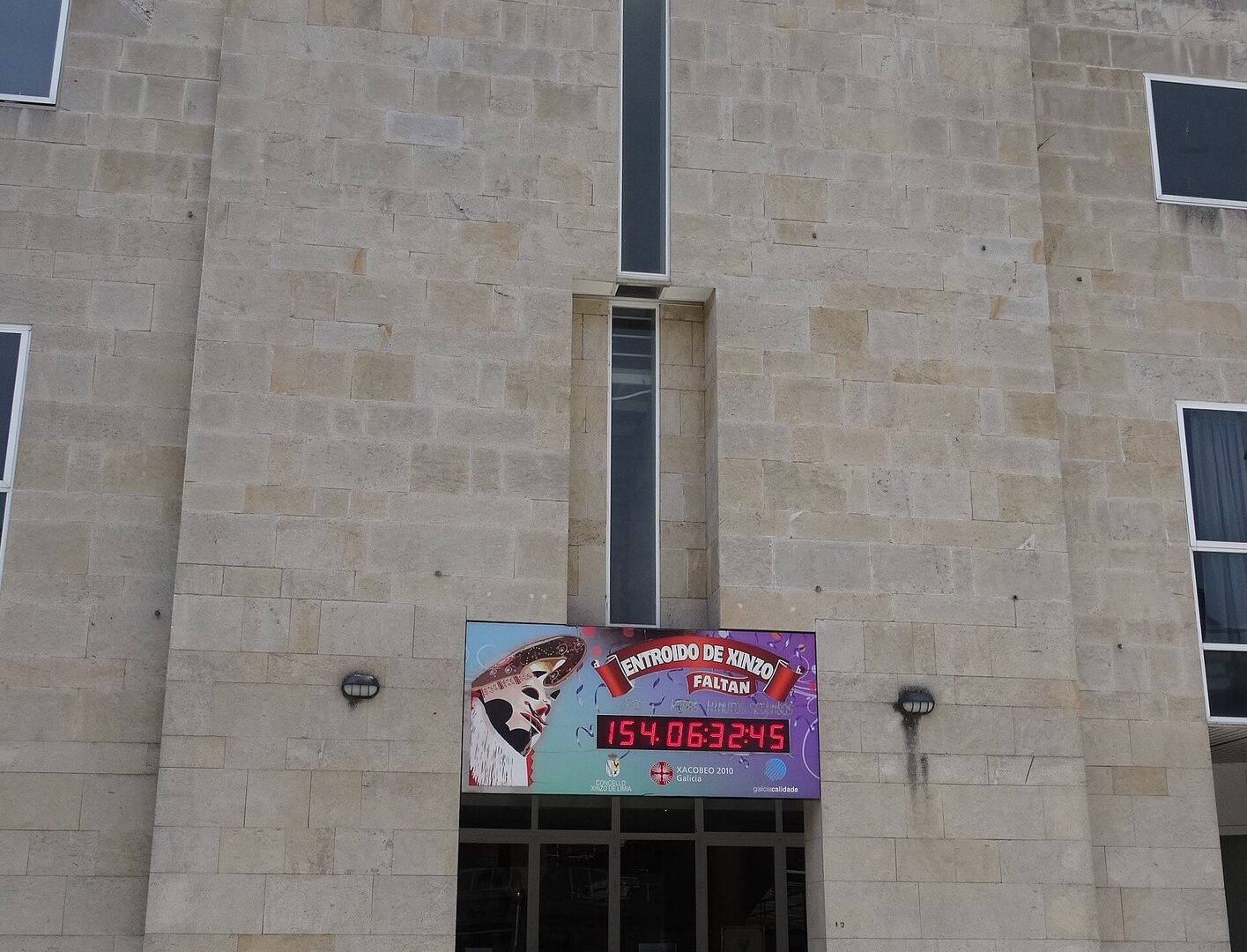
Cinemas, café, radio, school and library: Xinzo’s cultural life from 1948 to the 1970s
The cinemas Los Molinos (1948) and Antelano (1954), the Café Ideal and the Ideal 6 disco, the 1950 radio, the Colegio Santa Marina, the Biblioteca Antelana (1954) and the Coral Polifónica Santa Mariña.
Edelmiro Martínez Cerredelo told in several entries how Xinzo’s leisure and culture changed from the postwar. This page gathers the cinemas, the café-dance hall, the radio, the school, the library and the choir.
The cinemas
The town’s first cinema, Los Molinos, opened in 1948 with the film Salvaje Blanca, with María Montez. It belonged to the businessman Luis Barge Calviño, "o Ruca", in the Vilasana district: 315 m² of stone, 360 seats, lobby, bar, stage, and a projection booth with an Ossa machine; it stayed open until 1959 or 1960 [1]. The Antelano opened in October 1954 on the main street with the film Cyrano de Bergerac, in the name of the author’s aunt, María Cerredelo; smaller and "cute", with a gallery that the boys called "the henhouse"; it closed around 1960 and reopened under the same name on Dous de Maio street, until the 1970s. People called them "the upper cinema" and "the lower cinema" [2][3]. Of the Antelano the author remembers titles such as Seven Brides for Seven Brothers, Quo Vadis, The Three Musketeers and Gone with the Wind, which minors could not see [2].
The Café Ideal
The brothers Emiliano and Xilberto Martínez Ruído, who had returned from Mexico in the 1930s, built a modern building on the main road; they demolished the one housing the Casino Antelano, which later moved to the first floor. The café first appears at the 1935 Entroido and in 1943 the governor fined the owners for holding dances while films were screened. In the 1950s and 1960s there were dances at the Entroido, the festivals, the Saínza and New Year, and an open-air dance floor in summer. In the late 1960s the orchestras Bemposta, Los Dráculas and Nueva Democracia played; in the early 1970s the Ideal 6 disco was born on the first floor, one of the first in the province, where, according to Nito, Os Suaves played when they were starting out. Around 1975 the café became the Ideal 6 cafeteria and in the late 1970s or early 1980s a pub [4].
The radio
Xinzo launched its local radio on 3 November 1950 with the station «Radio Ginzo» (quote), School Station number 11 of the Youth Front (officially authorised on 22 November). It broadcast on Wednesdays and Fridays at 14:30 and 20:30; the first director was Luís Villarino Ramos, "O Parrancheva". At the start it was a private venture of Xulio Rodríguez Méndez, from his father’s hardware shop, director, announcer and technician. In the late 1950s it passed to the Hermandad Sindical de Labradores y Ganaderos under the name "La Voz de la Limia", and on 22 May 1961 Xulio sold it the equipment for 42,688 pesetas [5]. A photograph in the article shows Carlos Casares with other collaborators of the station [5].
The Antelana Municipal Library (1954)
The idea came from an extraordinary council meeting of 31 March 1954, with Mayor J. C. Romero Nieto: the concello (12,000 inhabitants, 3,000 in the parish) should have a library as an autonomous service run by a board with associations and notables; books were requested from the Book Exchange and Acquisition Board. It was in a small building in the centre, between the Concello and the School Group, until the Casa da Cultura was given a space for it. The librarian of a lifetime was Antonio Rodríguez, who with Carlos Casares ordered from the National Reading Service books unusual for the town. The author recalls an anecdote: a provincial delegate on inspection saw the room had no portrait of Franco and Antonio, pretending to look for it, suggested sticking a one-peseta stamp on the wall; the delegate left without a word [6][7]. The library building and the School Group were demolished to clear the square in front of the Casa da Cultura, now called Carlos Casares square [7].
The Colegio Santa Marina
It was founded, around 1952, by Don Ricardo and his son José Luís; it was installed provisionally on the first floor of the Martínez Biel dental clinic building and then in the Toural, in a building on the corner of the San Roque square, where Don Ángel Cocho took over running it; the Toural field was the playground. In the early 1960s it moved to two pavilions on today’s Rosalía de Castro street, where it stayed until closing, around the mid-1970s, after Cocho’s death. It was authorised to certify studies up to 4th year of bachillerato from the 1961-62 school year and had a boarding section; the Asturian José María Lana Díaz taught Philosophy and Letters until October 1955 [8].
Manuel Paradela Lage and the Coral Santa Mariña
Manuel Paradela Lage (Havana 1926 – Xinzo 2002), son of emigrants from Sarreaus, studied music in the Jesuit seminary of Havana and at twenty directed the band "Unión Musical de Trasmiras". He founded the Coral Polifónica Santa Mariña of Xinzo, presented on 4 January 1998 in the parish church with a concert of 22 songs; it took part in choir festivals in Ourense, Valdoviño, Bueu, Vigo, Ponferrada and Barcelona, has organised since 2001 the Festival de Panxoliñas and since 2007 the Summer Choral Music Competitions, and in 2016 premiered Xinzo’s anthem by María do Ceo. After Paradela (who left the direction in 2000) the choir was directed by José Manuel Dopazo, Paula Barge, Lucía Rodríguez and Efrén Martínez; in 2004 a group split off and formed the Coral Antioquía, and in 2017 the choir joined the Escola de Música da Limia (ESMULI) [9].
Links
Sources
- Edelmiro Martínez Cerredelo, «Cine Los Molinos, o cine de "arriba" ou cine do Ruca», Historia de Xinzo, 25/07/2017. https://historiadexinzo.wordpress.com/2017/07/25/cine-los-molinos-o-cine-de-arriba-ou-o-cine-do-ruca/
- «O Cine Antelano», Historia de Xinzo, 14/11/2018. https://historiadexinzo.wordpress.com/2018/11/14/o-cine-antelano/
- «O Gran Café Ideal de Xinzo de Limia», Historia de Xinzo, 24/11/2016. https://historiadexinzo.wordpress.com/2016/11/24/o-gran-cafe-ideal-de-xinzo-de-limia/
- Ibídem (café Ideal e discoteca Ideal 6).
- «Radio Ginzo-La Voz de la Limia» (cita), Historia de Xinzo, 20/04/2020. https://historiadexinzo.wordpress.com/2020/04/20/radio-ginzo-la-voz-de-la-limia/
- «Nacemento en 1954 da Biblioteca Municipal Antelana», Historia de Xinzo, 22/06/2020. https://historiadexinzo.wordpress.com/2020/06/22/nacemento-en-1954-da-biblioteca-municipal-antelana/
- Ibídem (anécdota do bibliotecario e derrubo do edificio).
- «Colegio Santa Marina de Xinzo de Limia», Historia de Xinzo, 09/09/2016. https://historiadexinzo.wordpress.com/2016/09/09/colegio-santa-marina-de-xinzo-de-limia/
- «Manuel Paradela Lage e a Coral Polifónica Santa Mariña de Xinzo», Historia de Xinzo, 10/09/2018. https://historiadexinzo.wordpress.com/2018/09/10/manuel-paradela-lage-e-a-coral-polifonica-santa-marina-de-xinzo/
You may also like
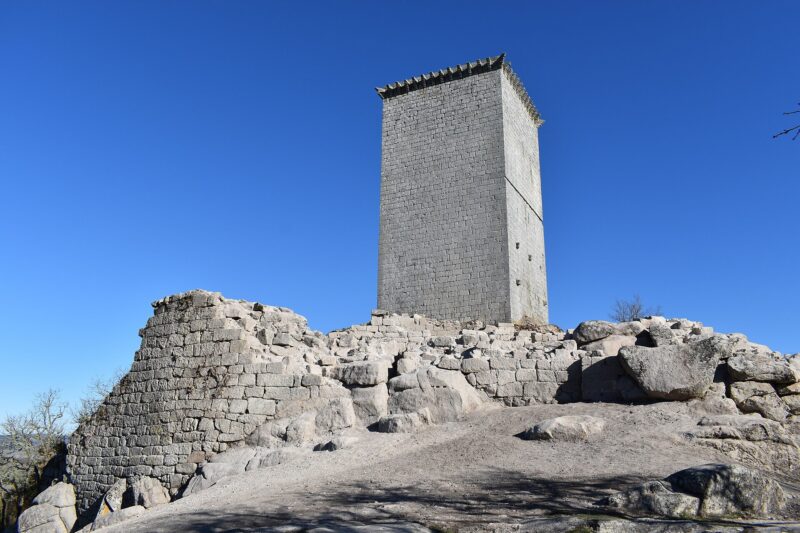 History of A LimiaPrehistory and castros of A LimiaFrom the Pedra Alta de Antela to the castro of Bóveda: megaliths, the Roufeiro weapons, the Outeiro de Baltar and the gold earring of Vilar…
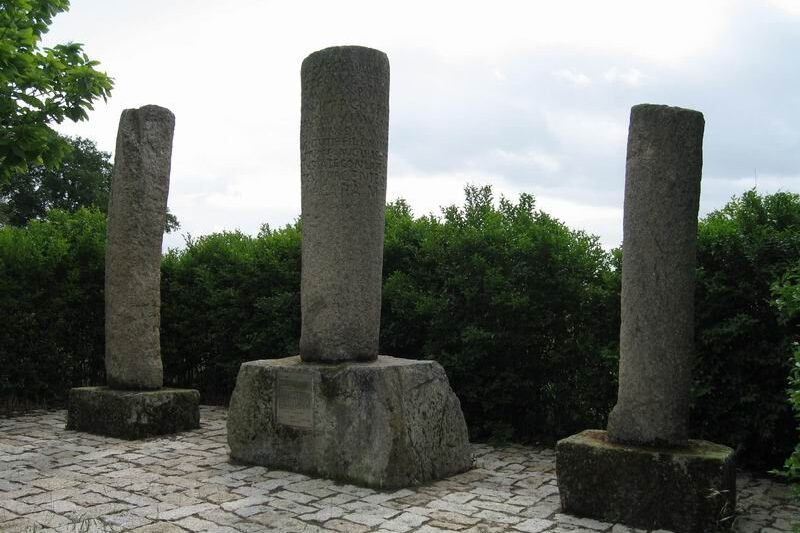 History of A LimiaThe Limici in Roman inscriptions: Celer’s gladiatorial tessera and Corellius LimicusTwo epigraphic pieces outside A Limia that mention a "Limicus": the bronze gladiatorial tessera from Niebla (Huelva), of the 1st century,…
History of A LimiaThe Limici and Romanisation: Civitas, Forum Limicorum and Via NovaWhat is known of the Limici and Roman Limia: the Civitas Limicorum, the debate over where the Forum Limicorum stood (A Cidá of Nocelo da…
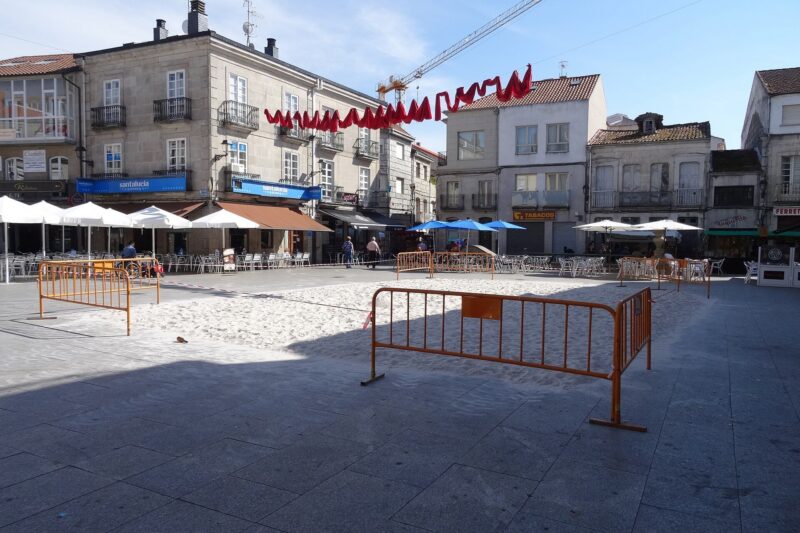 History of A LimiaThe Praza Maior, the Ladeira and the Toural: history of Xinzo’s central placesHistory of the Praza Maior (fairs since the 16th century, the 1907 Espolón, the fountain), the Ladeira and the Toural (the lagoon, the…
History of A LimiaLight, chocolate, fizzy drinks and roads: the industrial and service Xinzo of the 20th centuryHow electricity (1911), the printing press, chocolate and soda factories, the Rubio Cold-Storage Slaughterhouse and buses to Ourense and…
History of A LimiaMemories of the Xinzo of the past: children, taverns, the Riscas, doors and popular figuresMemories of everyday life in postwar Xinzo: children's games, Benito's tavern, Marucho's bar, the Riscas, doors and knockers, old stamps…
