


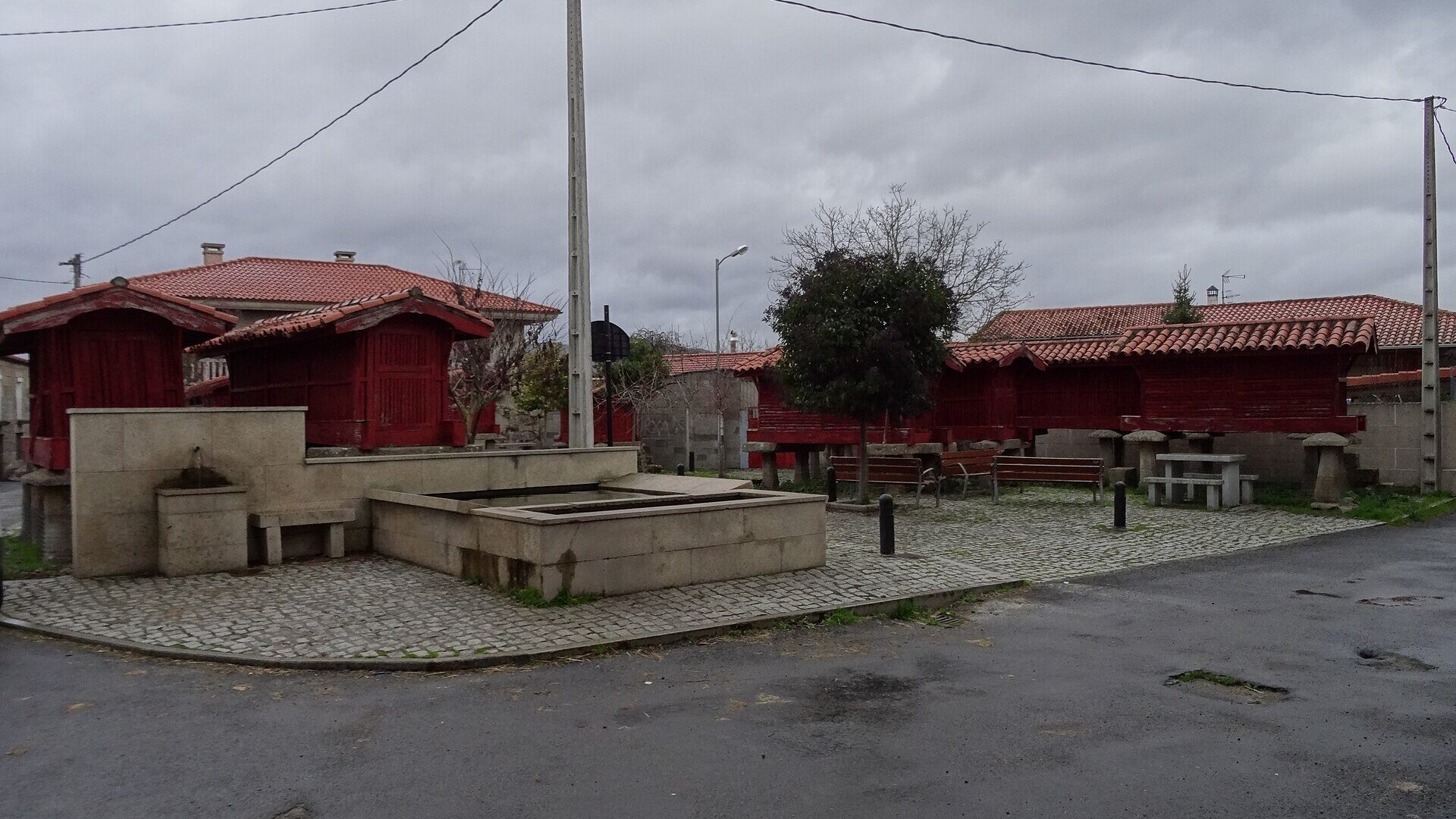
Tullas, chests and palleiras of Xinzo: where grain and straw were kept
How rye and straw were stored in A Limia: rye as bread, the house tullas of Baronzás and Xinzo, barrels and chests, the palleiras of the Barrio de Abaixo and the small "palleiras" of Rúa do Padrón.
The authors who have written about A Limia agree in stressing the abundance and quality of its cereals, and among them rye, so important that in the comarca it was called "bread". This page summarises three studies by Xosé "Pepe" Calleja López, with plans by Manuel Díz, on how grain and straw were stored in Xinzo de Limia and surroundings: the paper on the tulla from the First Popular Culture Days (Xinzo, 23 June 2018) and two articles on the palleiras [1].
Rye in A Limia
The source gathers several historical testimonies: Elixio Rivas Quintas states that the Romans drained the Lagoa de Antela in the first third of the 2nd century and that from then until the Middle Ages A Limia was known as Palla Aurea ("the granary of Galicia"); the Ensenada Cadastre (1749-1759) cites wheat, coarse maize, flax and rye (the bread), the latter on second-quality, unirrigated land; González de Ulloa (1777) speaks of "much rye"; Madoz (1846-1850) of "export of rye and linen"; and Vicente Risco (1930) of grain surplus for export to the markets of Allariz, Celanova, Verín or Ribadavia. Although today the potato is the main product, it did not take off as we know it until the 19th century [1].
Rye also mattered for its straw: food and bedding for livestock, thatch for straw barns and houses, mattresses, singeing the pig at the slaughter, torches for night paths, cow blankets, rush capes, hats… and the cornizó (ergot, Claviceps purpurea), which young and old gathered to sell at the Xinzo fairs for a good price. Rye was sown in September, ploughed in April-May and reaping began in the second week of St John, communal work just like threshing [1].
Where the grain was kept
- Grain barrels: one example from Baronzás, all wooden without metal hoops (not needed as it held no liquid), was 70 cm high and 160 cm across at the widest part [1].
- Chests or arcaces: large wooden boxes (45 cm high, 168 long, 50 wide in one example) in which grain was kept all year and taken out as it went to the mill; there are chests in As Pegas (Sandiás) [1].
- Tulla: a word dictionaries record since the 18th century meaning a granary or fixed chest, with a movable wall, for grain. In Xinzo and Baronzás there were tullas built into the house [1].
The tullas of Baronzás and Xinzo
The Baronzás tulla occupied a space beside the hearth, where the temperature was steadier and humidity lower from the fire’s warmth, above the stairs to the second floor. It was filled from above, with a grooved frame into which the boards added over time slotted, and emptied through a small opening at the bottom that gives onto the sacks. One of the walls was sloped, so the grain fell by gravity alone, and getting the desired amount took no effort. A larger Xinzo tulla took up almost a wall of the second floor and, as they told, had a channel inside the wall to lower the grain to the ground floor [1]. As a saying quoted by the source goes, "a tulla sen centeo é como o prado sen rego" (a tulla without rye is like a meadow without irrigation) [1].
The palleira of the Barrio de Abaixo
The palleira is an annexed building for the harvest straw, but in A Limia it served for much more. The palleira studied, in the Barrio de Abaixo, is built of dry-stone masonry with some rubble, had good stairs and years later was used as a dwelling. It rises to a gallery with a window through which straw was loaded from the cart to the second floor. In front threshing was done (communal threshing floors coexisted with neighbourhood spaces, a square or a wider street), and the ground floor was used to the full: tools under the stairs, the horse or cow in the middle, sheep and goats on the right, the pig sty at the back, small livestock against the south façade and the garden alongside [2]. Altogether, grain went in the house tulla and straw in the palleira, a building that also helped support the family by raising livestock [2].
The other "palleiras"
In the Barrio de Abaixo, on the streets of Padrón and Serra de Queixa (north of the old Camino Real, today Rúa Galicia), small single-storey buildings remain that are called palleiras but did not store straw: they served for firewood, field gear and tools, and for raising "facenda" (hens, chicks, rabbits and pigs) or keeping the cart. The straw stacks themselves were made in nearby fields. The walls are dry-stone masonry and rubble, without mortar or pointing, the roof of curved tile on one or two slopes and the floor of beaten earth [3].
One of them, on Rúa do Padrón, has a door in two leaves to air without opening it fully, a ring where the closing chain was hooked (it left a mark on the stone) and a date, 1878, carved. Many are in ruins, with doors blocked with bricks, roofs of fibre-cement or converted into dwellings: some will fall and others will change use [3].
Links
- History of A Limia
- Ethnography of A Limia
- Maize in A Limia and the canastros
- Xinzo fairs through time
- Xinzo de Limia
Sources
- «A TULLA COMO ELEMENTO CONSTRUCTIVO NA LIMIA – Tradicións da Limia», As tradicións da Limia. https://tradicionsdalimia.es/a-tulla-como-elemento-constructivo-na-limia/
- «A PALLEIRA DOS DIZ – Tradicións da Limia», As tradicións da Limia. https://tradicionsdalimia.es/a-palleira-dos-diz/
- «AS OUTRAS PALLEIRAS – Tradicións da Limia», As tradicións da Limia. https://tradicionsdalimia.es/as-outras-palleiras/
You may also like
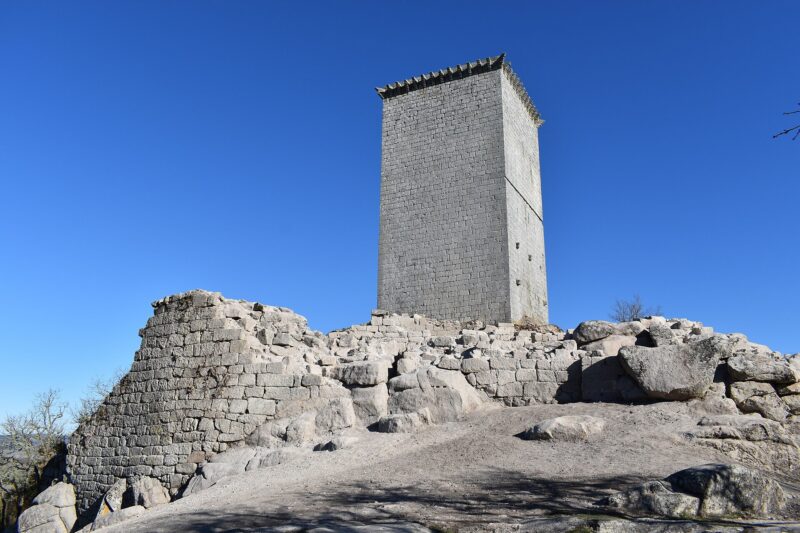 History of A LimiaPrehistory and castros of A LimiaFrom the Pedra Alta de Antela to the castro of Bóveda: megaliths, the Roufeiro weapons, the Outeiro de Baltar and the gold earring of Vilar…
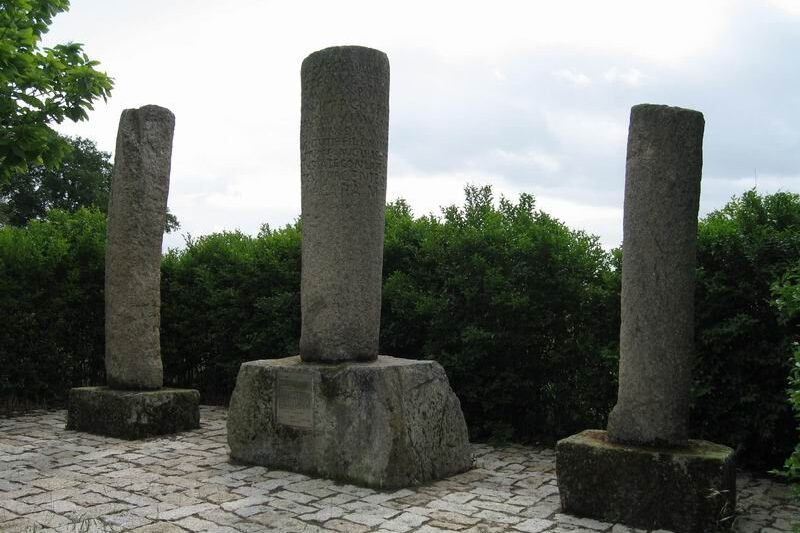 History of A LimiaThe Limici in Roman inscriptions: Celer’s gladiatorial tessera and Corellius LimicusTwo epigraphic pieces outside A Limia that mention a "Limicus": the bronze gladiatorial tessera from Niebla (Huelva), of the 1st century,…
History of A LimiaThe Limici and Romanisation: Civitas, Forum Limicorum and Via NovaWhat is known of the Limici and Roman Limia: the Civitas Limicorum, the debate over where the Forum Limicorum stood (A Cidá of Nocelo da…
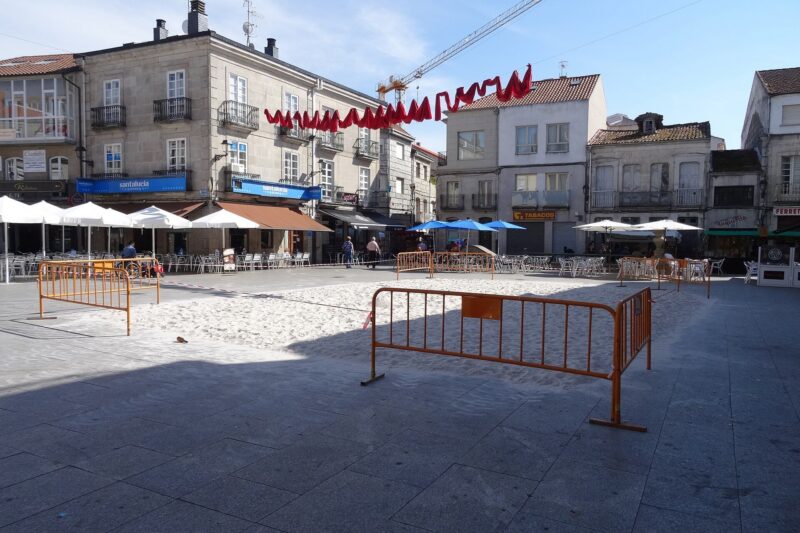 History of A LimiaThe Praza Maior, the Ladeira and the Toural: history of Xinzo’s central placesHistory of the Praza Maior (fairs since the 16th century, the 1907 Espolón, the fountain), the Ladeira and the Toural (the lagoon, the…
History of A LimiaLight, chocolate, fizzy drinks and roads: the industrial and service Xinzo of the 20th centuryHow electricity (1911), the printing press, chocolate and soda factories, the Rubio Cold-Storage Slaughterhouse and buses to Ourense and…
 History of A LimiaCinemas, café, radio, school and library: Xinzo’s cultural life from 1948 to the 1970sThe cinemas Los Molinos (1948) and Antelano (1954), the Café Ideal and the Ideal 6 disco, the 1950 radio, the Colegio Santa Marina, the…
