


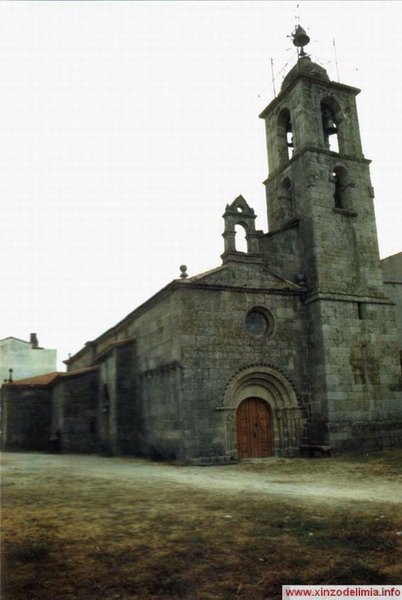
The Inquisition and the Santana House of Sandiás
How the Inquisition came to Galicia (Santiago tribunal, 1574) and how the Santana lineage of Sandiás, with branches in Potosí and A Limia, served the Holy Office in the 17th and 18th centuries as a symbol of status and nobility.
- Inquisition Tribunal of Galicia
- Santiago de Compostela, 1574
- Lineage
- Santana House, Sandiás (Coto de Sandiás)
- Offices
- familiars, notaries and chief constables of the Holy Office
- Main source
- study by Luis Pazos Bande, published in Historia de Xinzo
This page summarises a study by the researcher Luis Pazos Bande (who died before 2021, with works published posthumously by Edelmiro Martínez Cerredelo), who for years followed the history of the Casa Grande de Santana, in Sandiás. His work gathers documents from the Archivo Histórico Nacional, the Royal Chancery of Valladolid and family records to show the relationship of the Santana lineage and allied families with the Inquisition, both in America and in A Limia [1].
How the Inquisition came to Galicia
The Inquisition tribunal of Galicia, that of Santiago de Compostela, was the last to be established. According to the study, the chronology of the tribunals was: Aragon (1233), Seville (1480), Córdoba (1482), Jaén (1483), Toledo (1485), Valencia and Zaragoza (1484), Murcia, Teruel and Valladolid (1485), Llerena (1500), the Canaries (1504), Logroño and Cuenca (1512), Granada (1526) and, last, Santiago in 1574, after two failed attempts between 1520 and 1562 [1]. The author records a popular verse recited in a low voice ("Quen entra na Inquisición sempre sae chamuscado", whoever enters the Inquisition always comes out scorched) and the saying of the time: "Con el rey y con la Inquisición, chitón" (with the king and the Inquisition, hush) [1].
An office that gave status
The study stresses the "aristocratisation" of Holy Office posts: being a familiar, notary or chief constable of the Inquisition gave social prestige and income, through tax exemption. In the proofs of nobility and purity of blood, membership of the Holy Office appeared first, before university or noble titles. Both in wealthy Potosí and in the "sad and austere" A Limia, such a post meant a respected and feared status [1].
The Santanas of Sandiás and the Holy Office
- In Potosí. Luis Fernández Barja, maternal grandfather of Juan de Santana y Otalora, was a familiar and chief constable of the Inquisition of Potosí; the father, Alonso de Santana, was a public scribe and secretary and notary of the Holy Office, and granted powers from Potosí in 1614; Juan de Santana y Otalora held the title of chief constable. According to Fray Felipe de la Gándara (1662), Juan de Santana, lord of the Santana House in A Limia, was patron of the Jesuit College of Ourense [1].
- In A Limia. Alonso de Santana Vilariño, half-brother of Alonso, was judge of the Coto de Sandiás, familiar and notary of the Holy Office and appears on a 1641 list of familiars of Galicia (1641 register, «Alonso de Sta Ana en La Limia, fga de Sandianes, de edad de 36 años» (quote)); he heads powers granted by the neighbours of Sandiás in 1650 and 1651. Bartolomé de Santana y Noboa, abbot of Randín in 1648, also appears in the documents [1].
- Nobility. Juan and Alonso de Santana obtained at the Royal Chancery of Valladolid, between 1619 and 1623, the Royal Executory Letter of Nobility, confirmed in 1633-1634 with witnesses in Madrid, Oñate, Cáceres and Allariz, who declare that the family served the Inquisition generation after generation [1].
- Family archive. The 1784 inventory of the papers sent from Madrid to Santana, after the death of Francisca de Paula Santana Sarmiento de Sotomayor, recorded the familiar titles of Luis Fernández Barja and the chief-constable titles of Juan de Santana y Otalora, now lost [1].
Allied families
- Arze y Calderón. Tied to the Santanas by a marriage around 1765. Toribio de Arze y Calderón was parish priest of Sandiás and, from 1711, canon of Ourense cathedral; in 1721 he applied to be provincial commissioner of the Inquisition in Ourense and was admitted. Pedro de Arce Calderón, secret notary of the tribunal of Galicia, was investigated between 1643 and 1646 for keeping money and objects confiscated from the accused [1].
- Sarmiento de Sotomayor. Francisco Sarmiento de Sotomayor, knight of the Order of Santiago, was appointed in 1639 chief constable of the Inquisition of Lima; his trial for abuse of power in Cuzco dates from 1640. His daughter Ángela married Juan de Santana [1].
- Marquis of Santa Cruz de Rivadulla. In 1767 he applied for a post as depositary of petitioners at the Santiago tribunal [1].
- Piña. The study cites Antonio de Piña y Hermosa as a possible relative of Alonso de Piña, canon and precentor of Ourense cathedral and founder of the Bon Xesús monastery of Trandeiras; see Bon Xesús Convent [1].
A coat of arms with the Inquisition’s emblem
At the Pazo do Telleiro, also in Sandiás, the baroque shield on the façade includes the arms of the Inquisition because an ancestor of the Avalle family was a familiar of the Holy Office, another sign of the importance of the post; see The Pazo do Telleiro.
Frequently asked questions
When was the Inquisition established in Galicia? The Santiago tribunal was created in 1574, the last in Spain, after failed attempts between 1520 and 1562 [1].
What was a "familiar" of the Holy Office? A lay collaborator of the Inquisition, with an honorary post that gave prestige and tax exemptions [1].
Links
Sources
- Luis Pazos Bande, «El Santo Oficio de la Inquisición, su implantación en Galicia y su relación con la familia Santana y allegados» (extracto, 2005-2011), publicado en Historia de Xinzo, 31/08/2021. https://historiadexinzo.wordpress.com/2021/08/31/el-santo-oficio-de-la-inquisicion-su-implantacion-en-galicia-y-su-relacion-con-la-familia-santana-y-allegados-por-luis-pazos-bande/
You may also like
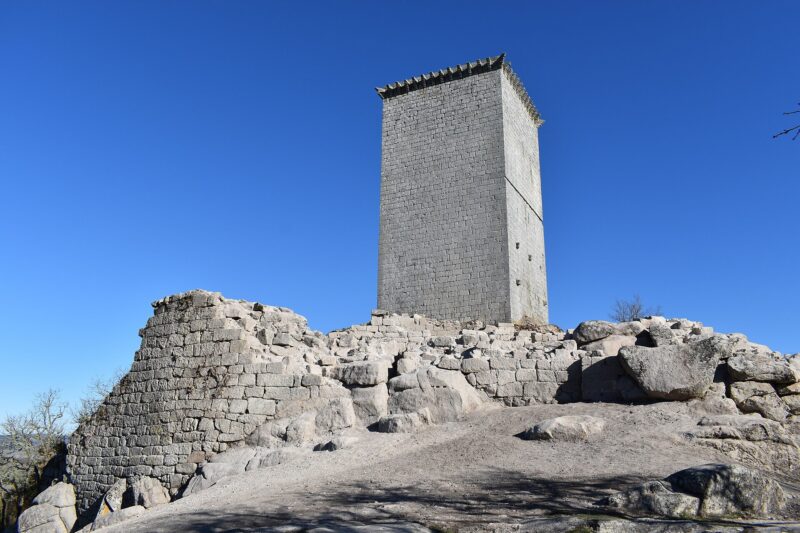 History of A LimiaPrehistory and castros of A LimiaFrom the Pedra Alta de Antela to the castro of Bóveda: megaliths, the Roufeiro weapons, the Outeiro de Baltar and the gold earring of Vilar…
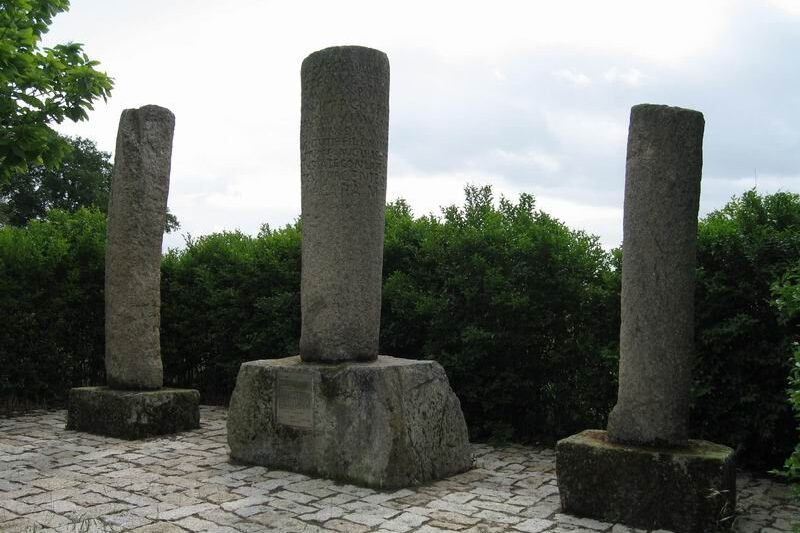 History of A LimiaThe Limici in Roman inscriptions: Celer’s gladiatorial tessera and Corellius LimicusTwo epigraphic pieces outside A Limia that mention a "Limicus": the bronze gladiatorial tessera from Niebla (Huelva), of the 1st century,…
History of A LimiaThe Limici and Romanisation: Civitas, Forum Limicorum and Via NovaWhat is known of the Limici and Roman Limia: the Civitas Limicorum, the debate over where the Forum Limicorum stood (A Cidá of Nocelo da…
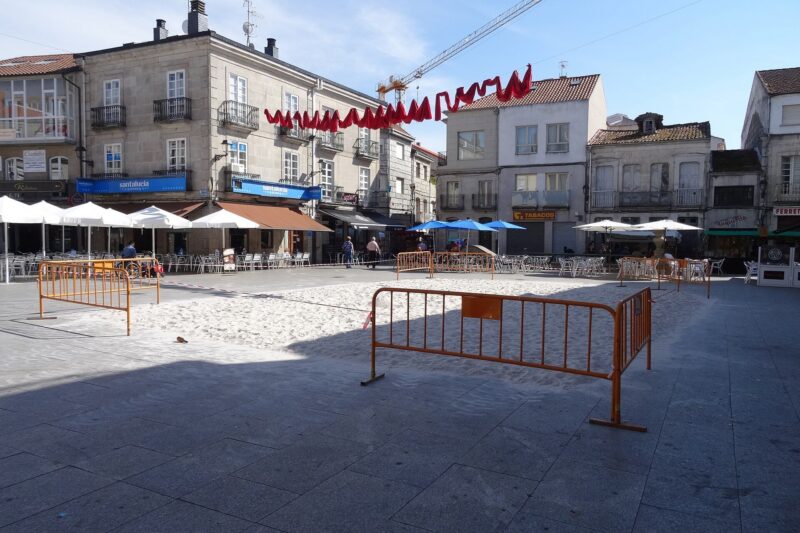 History of A LimiaThe Praza Maior, the Ladeira and the Toural: history of Xinzo’s central placesHistory of the Praza Maior (fairs since the 16th century, the 1907 Espolón, the fountain), the Ladeira and the Toural (the lagoon, the…
History of A LimiaLight, chocolate, fizzy drinks and roads: the industrial and service Xinzo of the 20th centuryHow electricity (1911), the printing press, chocolate and soda factories, the Rubio Cold-Storage Slaughterhouse and buses to Ourense and…
 History of A LimiaCinemas, café, radio, school and library: Xinzo’s cultural life from 1948 to the 1970sThe cinemas Los Molinos (1948) and Antelano (1954), the Café Ideal and the Ideal 6 disco, the 1950 radio, the Colegio Santa Marina, the…
