

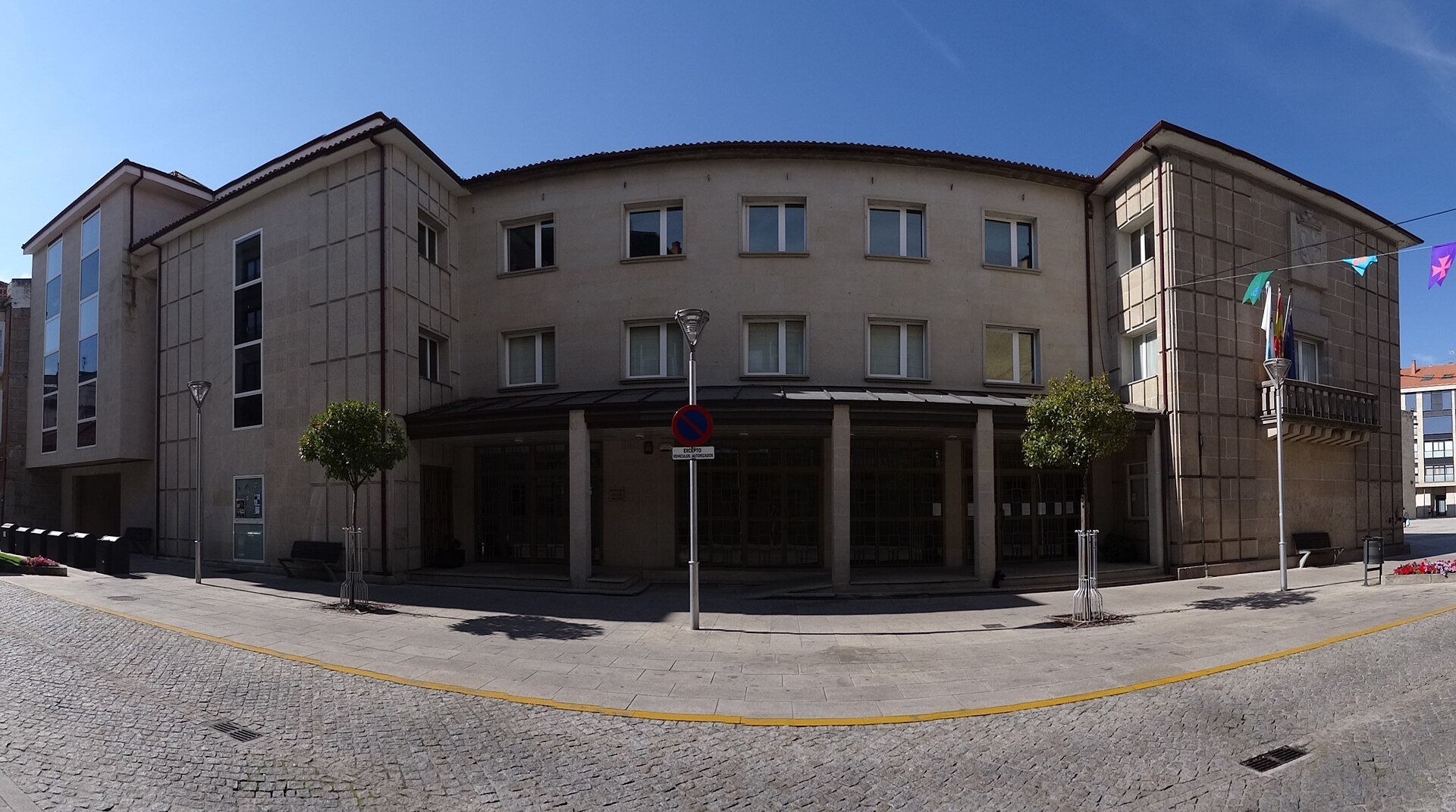
Marcus Flavius Sabinus, the Limician Who Became a Priest of the Imperial Cult
Marcus Flavius Sabinus, of the Civitas Limicorum, was duumvir of his city and provincial flamen of Hispania Citerior in the 2nd century; he is known only from a statue pedestal at Tarraco.
Marcus Flavius Sabinus (Marcus Flavius Marci filius Quirina tribu Sabinus) is the only known inhabitant of the Civitas Limicorum, the Roman city of A Limia, to have had a complete public career: he was duumvir in his city and, afterwards, priest of the imperial cult of Hispania Citerior. He lived in the 2nd century [1].
What is known
We know of him only from a statue pedestal found at Tarraco (Tarragona), which, as the only geographical reference to his origin, declares him Limicus, that is, a Limician [1]. The Civitas Limicorum and its administrative centre, the Forum Limicorum, appear in the sources as the place of origin of several people, but only Sabinus proves that anyone held a municipal career [1].
According to the pedestal:
- He was duumvir of his city, meaning he held the highest local magistracy, jointly with another person [1].
- He was sent as the Civitas Limicorum’s representative to the concilium provinciae, the assembly of the cities of Hispania Citerior that met at Tarraco [1].
- There he was appointed provincial flamen (flamen provinciae Hispaniae citerioris), annual priest of the cult of the emperor; at the end of the year the statue was erected whose pedestal probably narrates his career [1].
The inscription mentions the conventus Bracari, which Abascal considers an error by the engraver for the Conventus Bracaraugustanus; in any case it confirms that the Limicians belonged to that judicial district, the westernmost of the seven districts of Hispania Citerior [1]. Géza Alföldy dated the text between the reign of Antoninus Pius (138-161) and the end of that of Marcus Aurelius (161-180) [1].
Why he matters for A Limia
Sabinus is the written proof that the Civitas Limicorum had civic institutions, a local aristocracy and representation in the provincial capital. He is, besides, one of the few personal names from Roman A Limia, together with Bishop Hidatius in the 5th century.
Links
- Municipality: Xinzo de Limia
- People of A Limia
- Civitas Limicorum
- History of A Limia
Sources
- Juan Manuel Abascal Palazón, «Flavio Sabino, Marco», Diccionario Biográfico electrónico of the Real Academia de la Historia, reproduced in Historia de Xinzo, 02/03/2023. https://historiadexinzo.wordpress.com/2023/03/02/marco-flavio-sabino-civitas-limicorum-cercanias-de-xinzo-de-limia-orense-pms-ii-fs-ii/
You may also like
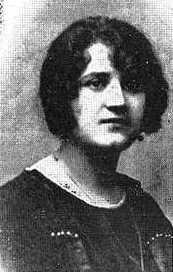 Notable personOlimpia Valencia López, the First Woman in Galicia to Graduate in MedicineBorn in Baltar in 1898, Olimpia Valencia was the first Galician woman to graduate in Medicine (1925) and in 1928 opened a general medicine…
 People of A LimiaHistorical Figures of A Limia: A TimelineTimeline of historical figures linked to A Limia, from Roman times to the 20th century: Limicians of Rome, Hidatius, counts, medieval…
People of A LimiaPoliticians and Public Officials of A LimiaDirectory of people from A Limia who held public office: Restoration-era deputies for the Xinzo district, Galician parliamentarians,…
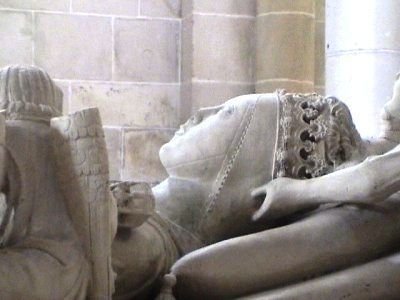 Notable personInés de Castro, the Queen Tradition Says Was Born in A LimiaInés de Castro (c. 1320 – Coimbra, 1355), natural daughter of a Galician nobleman, loved Prince Pedro of Portugal, was executed on Afonso…
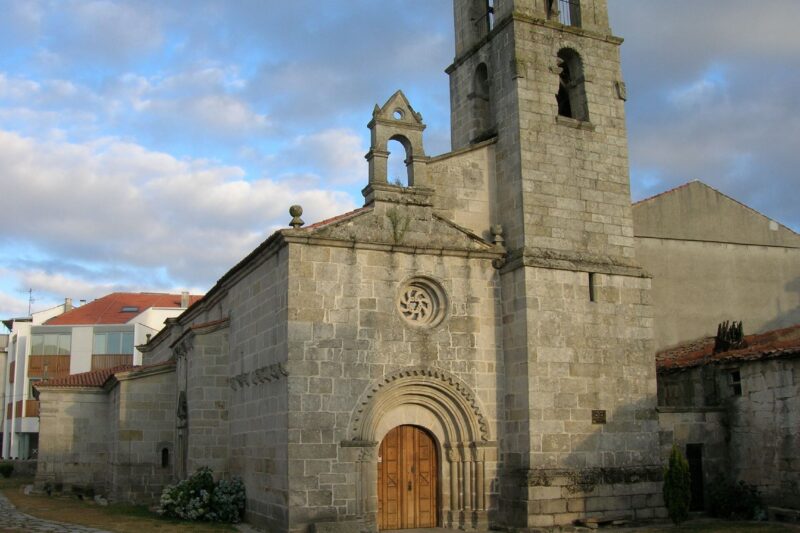 Notable personMartín de Ginzo, the Minstrel of Xinzo de Limia Who Sang the PilgrimageMartín de Ginzo was a 13th-century Galician minstrel, born in Xinzo de Limia, of whom eight cantigas de amigo survive, seven of them…
Notable personJosé Seguín, Baroque Sculptor of Rairiz de VeigaJosé Seguín (Rairiz de Veiga, 17th century – 1751) was a Baroque master of architecture and sculpture who restored and carved altarpieces…
