

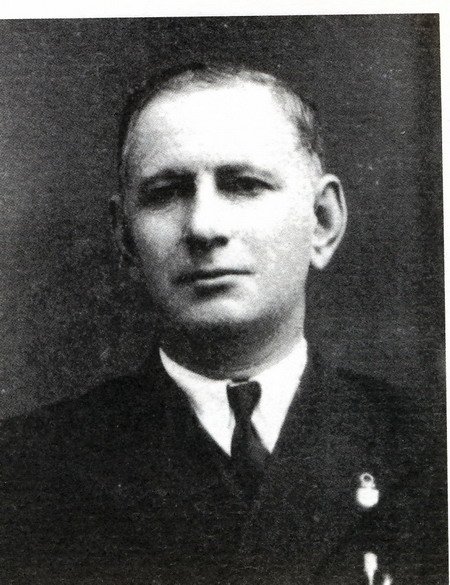
José Santiago Taboada (1884-1969), Journalist and Council Secretary
José Santiago Taboada (Xinzo, 1884-1969) founded the handwritten newspaper «El Duende», edited «El Eco Antelano» (1911-1912), the town's first printed paper, wrote for the Galician and American press and was council secretary.
- Born
- Xinzo de Limia, 1884
- Died
- Xinzo de Limia, 1969
- Newspapers
- El Duende (handwritten), El Eco Antelano (1911-1912), El Látigo
- Municipal post
- Secretary of Xinzo council (1945-1954)
José Santiago Taboada was born in Xinzo at six in the morning on 6 September 1884, the son of Matías Santiago Román, a native of Villar de Ciervos (Zamora), and Rosa Taboada Gómez, merchants living on Rúa San Roque. He was one of the first names of local journalism and, throughout his life, secretary of several councils [1].
Xinzo’s first newspapers
At the start of the 20th century he founded in the town some handwritten newspapers, biting and satirical about certain local customs, among them El Duende, of which only indirect references survive. He also owned a chocolate factory with the brand «Iris», advertised in the press in 1909 [1].
At 24 he was editor and owner of El Eco Antelano, published in 1911 and 1912, regarded as the town’s first printed newspaper. It was succeeded by El Látigo, equally sharp and ironic, which he produced with other contributors and for which Taboada drew pen-and-ink caricatures. That same weekly records some of the incidents involving the exiled Portuguese monarchists; see The Portuguese monarchists in A Limia [1].
Press contributions
He was an editor of El Miño in Ourense (1911-1913) and wrote in «El Eco de Orense» (quote), edited by Lamas Carvajal, with whom he enjoyed a close friendship. He also contributed to Nova Galicia, of Buenos Aires, and La Unión de Bagado, both in Argentina, to the Verín newspapers El Támega and Heraldo de Verín, to the Ribadavia paper El Noticiero del Avia and to another in Rianxo edited by Alfonso Castelao [1].
Council secretary
He was acting secretary of the council of Rairiz de Veiga from 19 July 1919 and permanent secretary from 28 August 1921 to 12 November 1925. He then moved to Laza, where he was acting secretary and, from 4 January 1926, permanent secretary until 13 July 1945. From 14 July 1945 until his retirement on 7 September 1954 he was secretary of Xinzo council [1]. He died in Xinzo on 4 January 1969, aged 84 [1].
Frequently asked questions
What was Xinzo’s first printed newspaper? El Eco Antelano, published in 1911 and 1912 [1].
Which councils was he secretary of? Rairiz de Veiga, Laza and Xinzo [1].
Links
- Parish: Xinzo de Limia
- Municipality: Xinzo de Limia
- People of A Limia
- Ramón Villarino de Sáa
- The Portuguese monarchists in A Limia
- Authors and artists of A Limia
Sources
- «José Santiago Taboada», Historia de Xinzo, 02/11/2019. https://historiadexinzo.wordpress.com/2019/11/02/jose-santiago-taboada/
You may also like
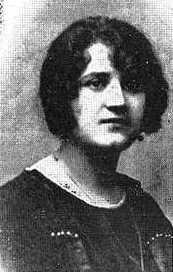 Notable personOlimpia Valencia López, the First Woman in Galicia to Graduate in MedicineBorn in Baltar in 1898, Olimpia Valencia was the first Galician woman to graduate in Medicine (1925) and in 1928 opened a general medicine…
 People of A LimiaHistorical Figures of A Limia: A TimelineTimeline of historical figures linked to A Limia, from Roman times to the 20th century: Limicians of Rome, Hidatius, counts, medieval…
People of A LimiaPoliticians and Public Officials of A LimiaDirectory of people from A Limia who held public office: Restoration-era deputies for the Xinzo district, Galician parliamentarians,…
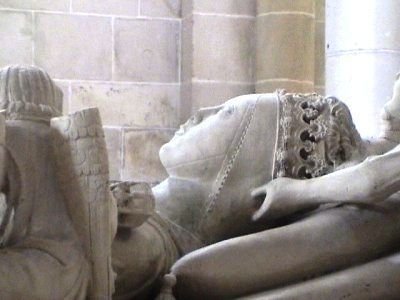 Notable personInés de Castro, the Queen Tradition Says Was Born in A LimiaInés de Castro (c. 1320 – Coimbra, 1355), natural daughter of a Galician nobleman, loved Prince Pedro of Portugal, was executed on Afonso…
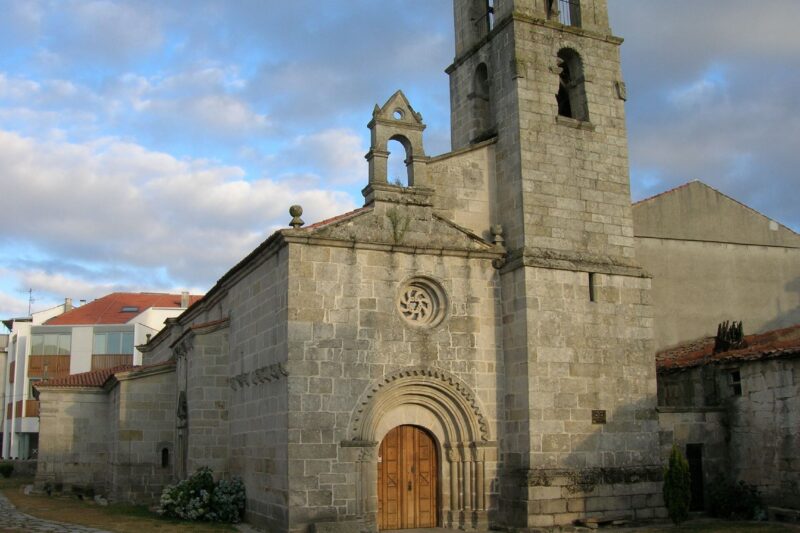 Notable personMartín de Ginzo, the Minstrel of Xinzo de Limia Who Sang the PilgrimageMartín de Ginzo was a 13th-century Galician minstrel, born in Xinzo de Limia, of whom eight cantigas de amigo survive, seven of them…
Notable personMarcus Flavius Sabinus, the Limician Who Became a Priest of the Imperial CultMarcus Flavius Sabinus, of the Civitas Limicorum, was duumvir of his city and provincial flamen of Hispania Citerior in the 2nd century; he…
