


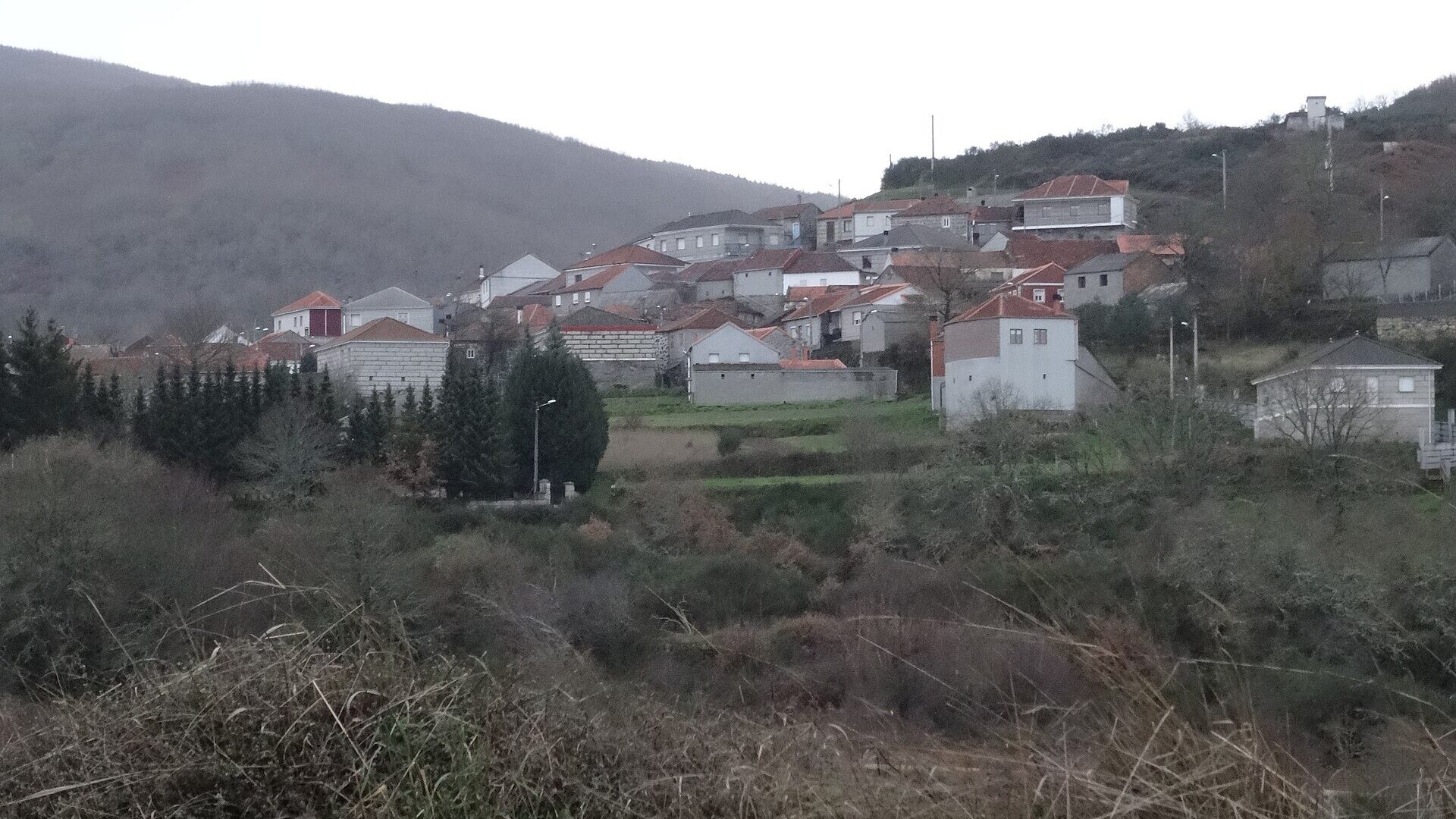
Mills and ethnographic heritage of Calvos de Randín
Calvos de Randín has 18 mills catalogued in Galicia Nomeada, plus the Oratorio, tied to the rivers and streams of the Salas valley and the Baixa Limia; full list with source.
Calvos de Randín has 18 mills catalogued in Galicia Nomeada [1]. The list below reproduces the names as they appear in the inventory, which classifies mills and bridges together.
Mills (18)
- Muíño da Coutada
- Muíño da Foz
- Muíño da Ponte
- Muíño de Abaixo
- Muíño de Arriba
- Muíño de Barxa
- Muíño de Riba
- Muíño de Santa María
- Muíño do Agapito
- Muíño do Campo
- Muíño do Coto
- Muíño do Cubo
- Muíño do José da Ana
- Muíño do Nóvoa
- Muíño do Rebumba
- Muíño do Urbano
- Muíño do Xugal
- O Muíño Novo
O Oratorio
- O Oratorio
The inventory classifies it as a wayside cross or peto. It is in Calvos de Randín [1].
Context
The Serra da Pena and the Salas valley, in the south of the municipality, are part of the Baixa Limia – Serra do Xurés natural park (see Protected natural areas). The mills make use of the streams and rivers of the area, sometimes in a chain, one after another along the watercourse, as seen in other municipalities [1]. For the legend of the Casa da Moura, the megalithic monument of Calvos, see Mouros e mouras da Limia.
Other places in Calvos
The municipality has much more than mills: the village of Randín, almost destroyed by the fire of 1889; the castle of A Picoña, in what was once Couto Mixto territory (see Outras lendas e crenzas); the Casa da Moura, a megalithic monument, and the spring of the three rushes at Rubiás dos Mistos (see Augas, fontes e cabalos); and Monte da Torre. Each mill, village and spring appears in the inventory under its traditional name, and many have disappeared or lie in ruins, so the list is a testimony to an agrarian world that has gone.
Links
Sources
- Galicia Nomeada, inventario de microtoponimia (Xunta de Galicia / RAG). https://galicianomeada.xunta.gal/sixtop/visor
You may also like
 Heritage of A Limia: towers, convents, mills and ethnographic villagesA tour of the historic heritage of the municipality of Xinzo de LimiaA summary of the historic heritage of Xinzo de Limia: the Romanesque old church, the churches of Novás and Morgade, Torre da Pena, the Bon…
 Heritage of A Limia: towers, convents, mills and ethnographic villagesEthnographic heritage of Rairiz de Veiga: Congostro, mills, ovens and springsThe ethnographic heritage of Rairiz de Veiga: the restored village of Congostro, the San Miguel mills route, 17 mills, 5 communal ovens and…
 Heritage of A Limia: towers, convents, mills and ethnographic villagesXinzo de Limia in a day: a route through heritage, water and the lagoonA suggested one-day visit to Xinzo de Limia: Museo Galego do Entroido, the church and square of the town, Torre da Pena, the Bon Xesús…
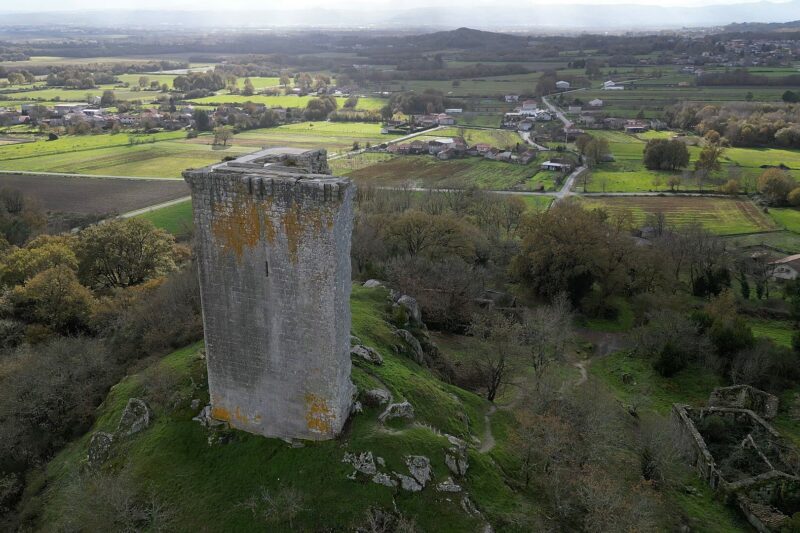 Heritage of A Limia: towers, convents, mills and ethnographic villagesThe Torre do Castro of Sandiás: history, visits and activitiesThe Torre do Castro, in Sandiás, is a 12th-century castle torn down by the Irmandiños in 1467 and now consolidated: its history, the 2024…
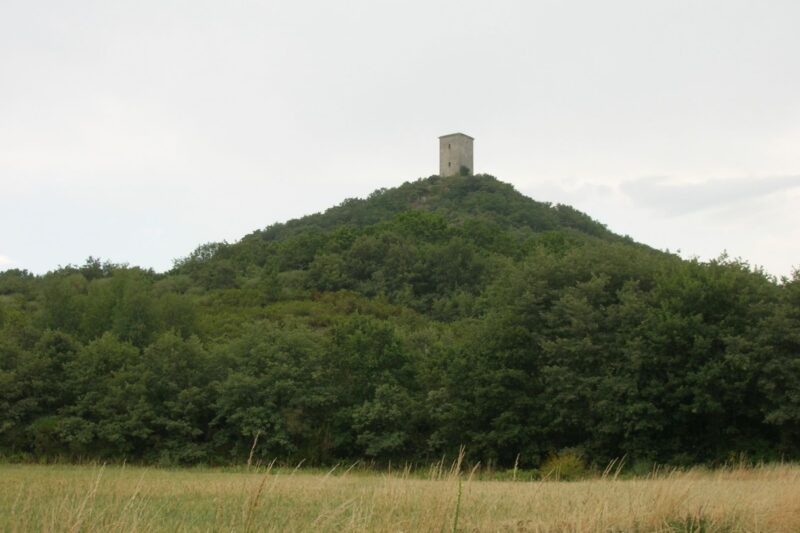 Heritage of A Limia: towers, convents, mills and ethnographic villagesThe Torre da Pena (Portela): history of a fortress of A LimiaThe Torre da Pena or Portela tower, in Xinzo de Limia, is a 14th-century military tower and a Bien de Interés Cultural since 1994: the…
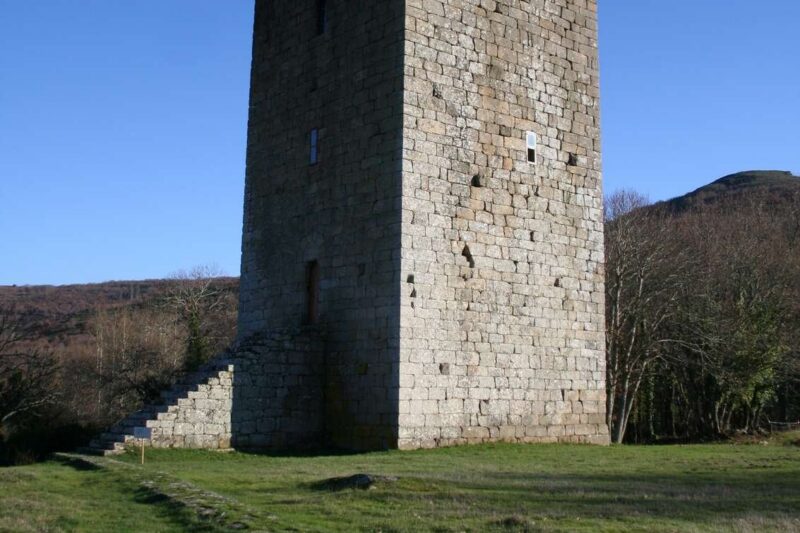 Heritage of A Limia: towers, convents, mills and ethnographic villagesThe Torre da Forxa (Porqueira): castle, monastery and IrmandiñosThe Torre da Forxa, also called de Fírbeda or de Porqueira, is what remains of a 12th-century castle: ceded to the bishopric of Ourense in…
