


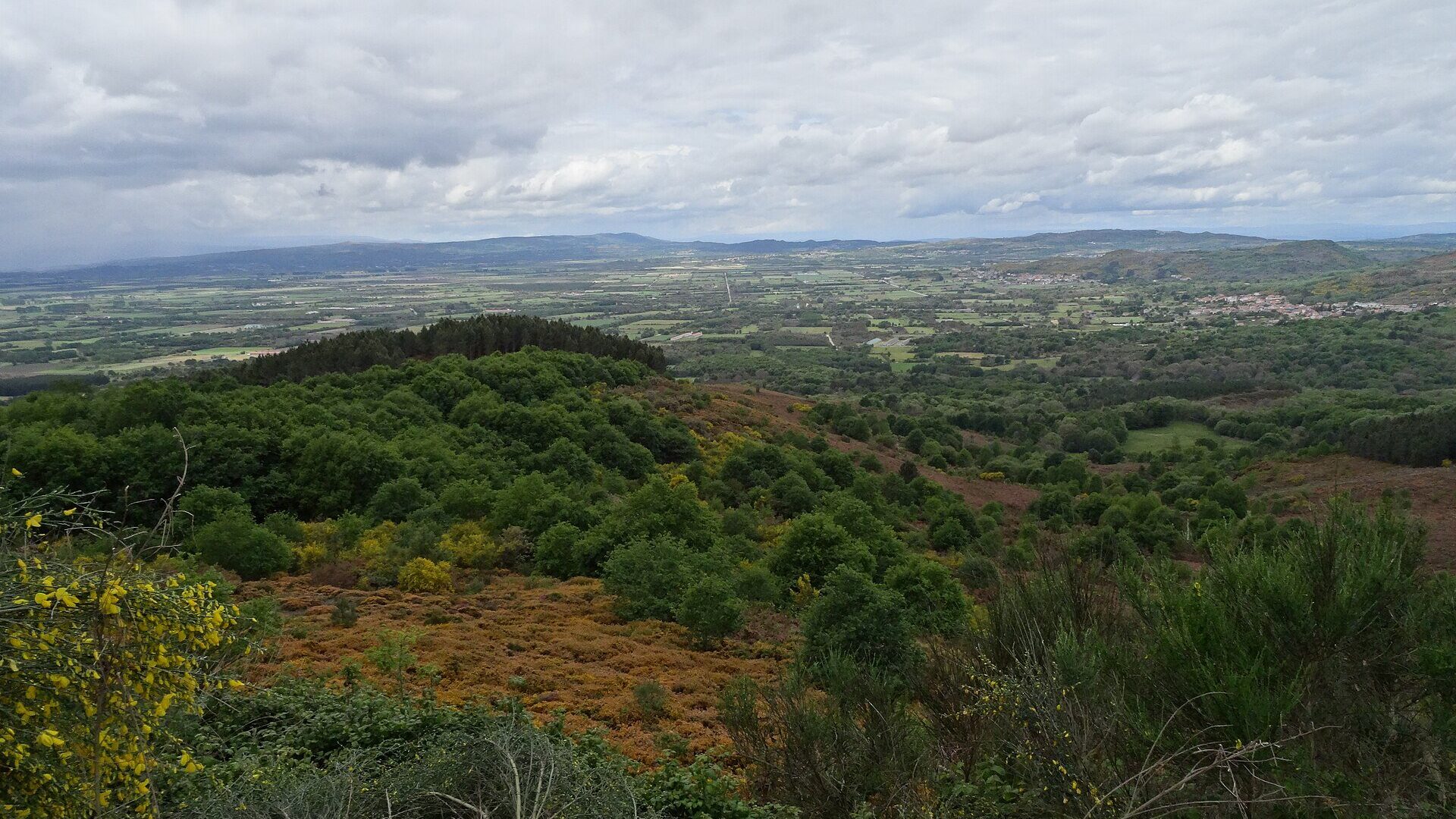
The castle of San Xoán de Bara (Vilar de Barrio)
The castle of San Xoán de Bara, in Vilar de Barrio, is an archaeological enclosure of up to 15 or 16 hectares, with Castro-culture huts and walls and occupation from the Bronze Age to the Roman and medieval periods, according to 25 Motivos.
The castle of San Xoán de Bara is an archaeological site in the municipality of Vilar de Barrio. The tourist network 25 Motivos describes it as one of the most promising sites in inland Galicia: research in recent years points to the existence of an ancient city occupied over several periods, of an extent unusual in Galician archaeology [1].
An enclosure of up to 16 hectares
According to the source, the enclosure could reach between fifteen and sixteen hectares, which has led some researchers to speak of an ancient city rather than a simple hill-fort. The hill rises above the plain of A Limia and commands a wide stretch of territory [1].
What has been found
- Remains of walls, dwelling structures and complexly organised enclosures [1].
- In the upper part, elements of Castro culture: circular huts and Iron Age defensive systems [1].
- Monumental enclosures bounded by walls in lower areas, suggesting a more complex organisation than usual at this kind of site [1].
- Materials that, according to the source, indicate the settlement took part in Roman-period trade networks [1].
The occupation, according to the evidence cited, runs from the Bronze and Iron Ages to Roman times and includes medieval periods [1].
O Burato dos Ouros
Within the site is the place known as Burato dos Ouros, with cavities and building remains whose chronology and function are still under study and whose name has fed local legends [1].
An open investigation
The source insists that research remains active: unlike other fully excavated and interpreted sites, each campaign brings data that partly change the understanding of the place. From the top, the plain of A Limia stretches out at the foot of the hill, which helps explain why different communities chose it for its visibility, its defensibility and its closeness to the resources of the valley [1].
Links
Sources
- «Castelo de San Xoán de Bara», 25 Motivos. https://25motivos.gal/xi-tangarano-cultural-59/
You may also like
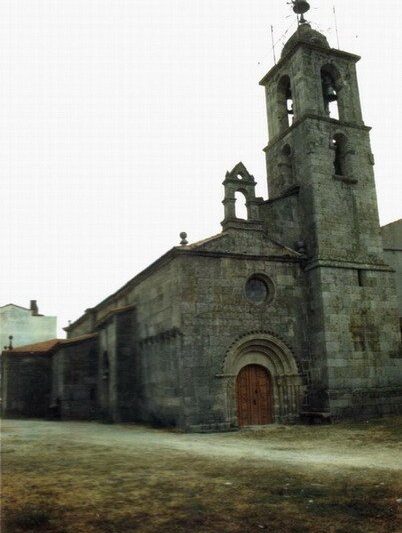 Heritage of A Limia: towers, convents, mills and ethnographic villagesA tour of the historic heritage of the municipality of Xinzo de LimiaA summary of the historic heritage of Xinzo de Limia: the Romanesque old church, the churches of Novás and Morgade, Torre da Pena, the Bon…
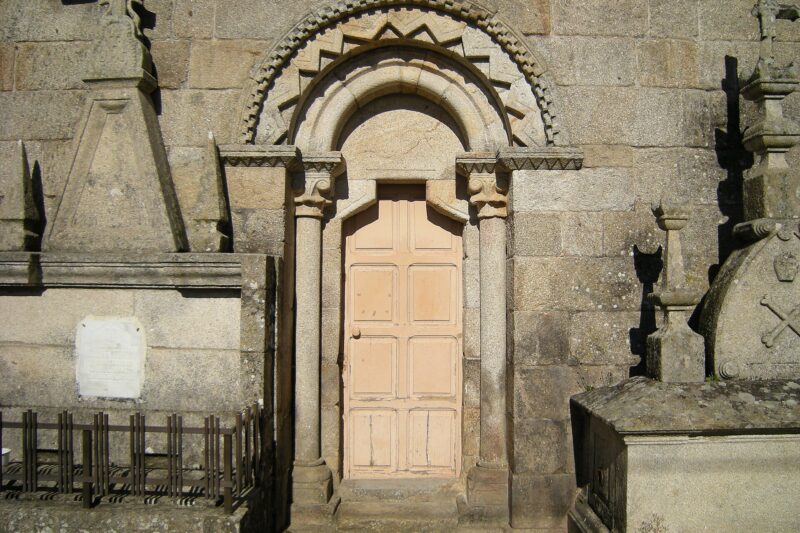 Heritage of A Limia: towers, convents, mills and ethnographic villagesEthnographic heritage of Rairiz de Veiga: Congostro, mills, ovens and springsThe ethnographic heritage of Rairiz de Veiga: the restored village of Congostro, the San Miguel mills route, 17 mills, 5 communal ovens and…
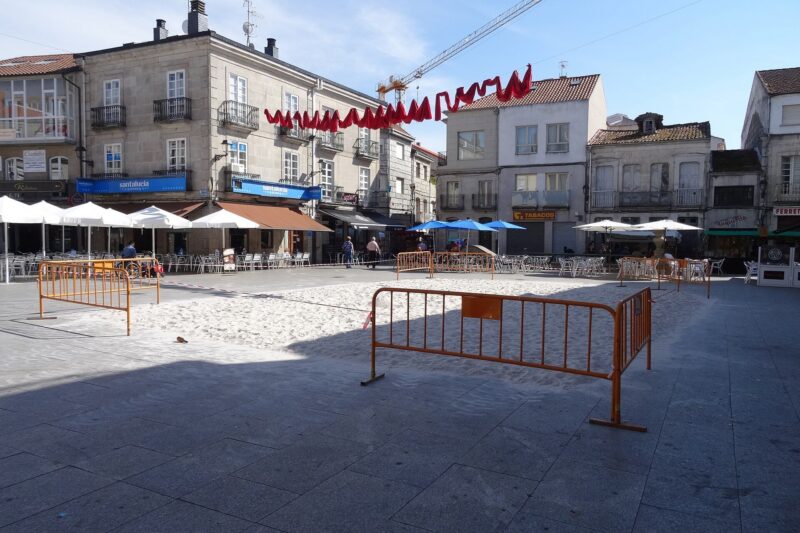 Heritage of A Limia: towers, convents, mills and ethnographic villagesXinzo de Limia in a day: a route through heritage, water and the lagoonA suggested one-day visit to Xinzo de Limia: Museo Galego do Entroido, the church and square of the town, Torre da Pena, the Bon Xesús…
Heritage of A Limia: towers, convents, mills and ethnographic villagesChurches and chapels of the parishes of Xinzo de LimiaIndex of the parish churches and chapels recorded in each of the 20 parishes of Xinzo de Limia, with their dedication, according to…
 Heritage of A Limia: towers, convents, mills and ethnographic villagesMills and ethnographic heritage of Calvos de RandínCalvos de Randín has 18 mills catalogued in Galicia Nomeada, plus the Oratorio, tied to the rivers and streams of the Salas valley and the…
 Heritage of A Limia: towers, convents, mills and ethnographic villagesConvento do Bon Xesús da Limia (Trandeiras): the BIC fileThe Convento do Bon Xesús da Limia, in Trandeiras (Xinzo de Limia), was built in the early 16th century; the Xunta has opened the procedure…
