


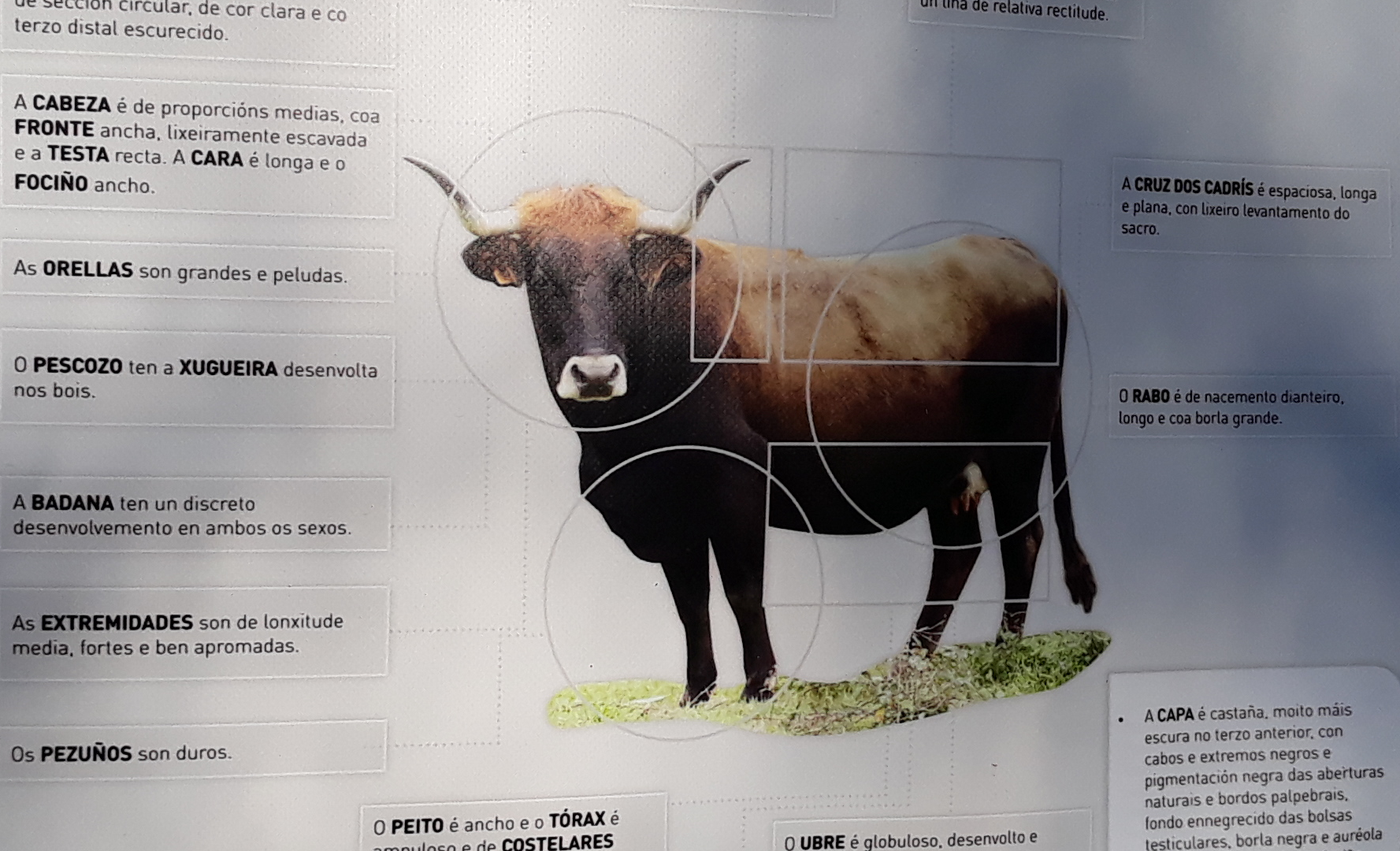
The cow of A Limia: the limiá cattle breed
The limiá cattle breed is native to Galicia, large and chestnut-coated, with a herd book since 2000; in 2002 there were 136 head in 19 herds and its risk status was critical.
The limiá cattle breed (limiá in Galician) comprises animals with a sub-concave to straight profile, hypermetric in the valleys and eumetric in the mountains, of medium-line proportions and large size [1]. It is a native breed of Galicia and its main output is meat [1]. The information reproduced by the website xinzodelimia.eu comes from the Dirección Xeral de Produción e Sanidade Agropecuaria of the Xunta’s Department of Agri-food Policy and refers to 2002 [1].
What it looks like
- Average live weight: 650 kg in females and 900 kg in adult males [1].
- Height at the withers: 140 cm in females and 148 cm in males [1].
- Coat: chestnut, darker on the front third, with black extremities and black pigmentation of the natural openings and eyelid edges; the tail switch is black and the muzzle is pale ("bociclara") [1].
- Horns: short hooked in bulls; large, long and spiral, with the tips pointing outwards, in cows, circular in section and pale with a dark tip [1].
Origin and registry
A native breed, with a herd book approved by the Order of 27 September 2000. The responsible body is the Consellería, with a collaborating organisation, the Association of Breeders of the Limiá Cattle Breed (LIMIAGA) [1]. The source cites the regulation under the title "Libro Genealóxico da Raza Bovina Frieiresa" (quoted), which indicates that the rule groups the limiá with the other frieiresa breeds of Galicia [1].
Population in 2002
- Total: 136 animals (herd-book data, 100 % reliability).
- Breeding stock: 66 females and 59 males used for breeding, 125 in all, in a total of 19 herds.
- Trend: growing; risk status "critical-maintained" [1].
AI (artificial insemination) is used and there are in situ and ex situ conservation programmes: 99,920 doses of semen from 34 males and 15 frozen embryos [1].
Population trend
According to the Galipedia, the breed went from 136 head in 2002 to 460 in 2007 and 861 in 2011, a trend of rapid growth [2]. The English Wikipedia gives a much lower figure for 1994, with 60 animals (46 breeding cows and 14 bulls), and for the end of 2023 cites 1,698 head: 1,410 females and 288 males, with 1,035 breeding cows and 52 active bulls [3]. The figures come from different registers and are not directly comparable year to year.
Qualities
It is adapted to high temperatures and produces high-quality meat. It is farmed under semi-extensive or extensive systems, with rotation of grazing areas; in semi-extensive farming it is normally housed at night and in extensive farming it is not housed [1].
Links
Sources
- «A vaca da Limia. A raza limiá», xinzodelimia.eu (captura de Wayback); datos de 2002 da Dirección Xeral de Produción e Sanidade Agropecuaria da Xunta de Galicia. http://www.xinzodelimia.eu/raza_%20limia.htm
- «Limiá», Galipedia (Wikipedia en galego), CC BY-SA 4.0. https://gl.wikipedia.org/wiki/Limiá
- «Limiana», Wikipedia en inglés, CC BY-SA 4.0. https://en.wikipedia.org/wiki/Limiana
You may also like
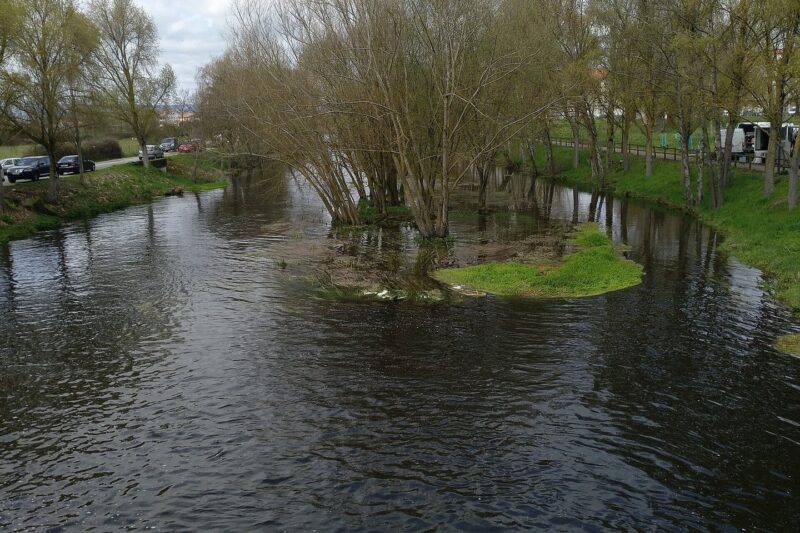 Nature of A LimiaThe Limia river: source, course, tributaries and faunaThe Limia river rises around Paradiña-Alberguería (Sarreaus), crosses the A Limia depression and the town of Xinzo, passes into the Baixa…
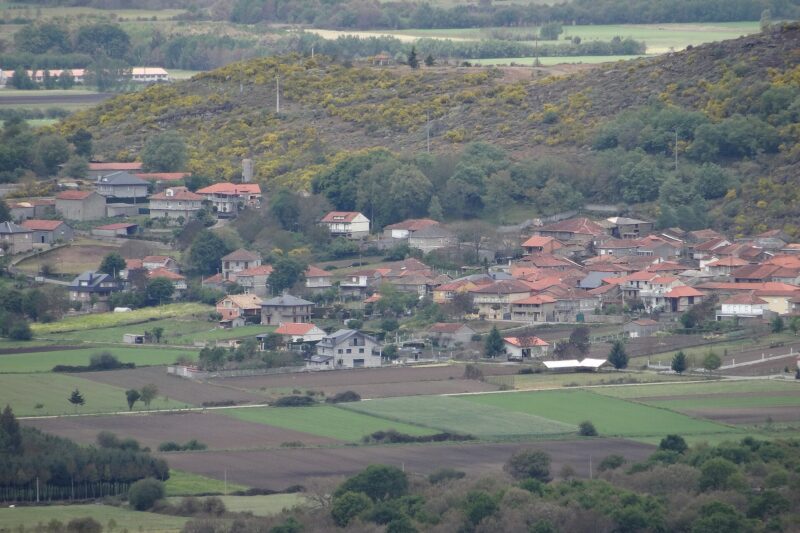 Nature of A LimiaProtected natural areas of A LimiaThe Veiga de Ponteliñares (a 160 ha SAC in Porqueira and Rairiz), the Baixa Limia – Serra do Xurés Natural Park, the Serra da Pena in…
Nature of A LimiaTrees, ponds and trails of Xinzo de LimiaA guide to the nature spots in the concello of Xinzo de Limia: 27 catalogued trees, the ponds of A Pena, Piñeira Seca and Parada de…
Nature of A LimiaWaters of A LimiaThe waters of A Limia: the Limia or Lethes river, the drained Lagoa de Antela, Xinzo's floods and the springs, wells and washhouses of the…
 Nature of A LimiaPonds and birds of the Lagoa de Antela: the return of the lagoonThe recovered ponds of the former Lagoa de Antela and the 16 species of birds and amphibians listed by the comarca's website, with the…
